
Pay Attention to These Five Points to Ensure Your Sand Making Machine Delivers Quality, Quantity, and Profit!
Sand making machines play a pivotal role in aggregate production lines and sand manufacturing processes, with their output capacity directly determining the overall production volume of mineral processing operations. Typically, the production capacity of a sand making machine refers to the amount of material it can crush per unit time, measured in tons per hour. Therefore, enhancing the machine's output capacity is paramount in the mineral processing industry. To target improvements effectively, we must understand the factors influencing sand making machine output. Production capacity depends on numerous variables, including material hardness, moisture content, finished sand fineness, equipment maintenance, and inherent quality. Today, we outline five key considerations to help you effectively boost your sand making machine's productivity!
Different materials exhibit variations in hardness, viscosity, moisture content, and other properties, leading to differing sand output during crushing. Specific considerations are as follows:
1. Material Viscosity
Higher viscosity materials are more prone to adhesion. Highly viscous materials can stick to the inner walls of the crushing chamber. If not promptly cleaned, this severely impacts the machine's efficiency and may even disrupt normal operation. Therefore, when selecting materials, ensure their viscosity is not excessively high.
2. Material Composition
Higher fine powder content in feed material significantly impedes sand production, as these particles readily cling and obstruct conveying. Materials with high fine powder content should undergo preliminary screening to remove as much fine material as possible, preventing disruption to the sand maker's normal operation.
3. Material Moisture Content High moisture content causes material to stick during crushing and clog during discharge and conveying, reducing sand-making capacity. To address this, strictly control material moisture during selection. If moisture is excessive, sun-drying or air-drying methods can be used to reduce the percentage of water in the material.
4. Material Hardness Harder materials are more difficult to process into sand and cause greater wear on equipment. Slower sand-making speeds naturally result in lower production capacity. Therefore, moderate material hardness is essential during selection.
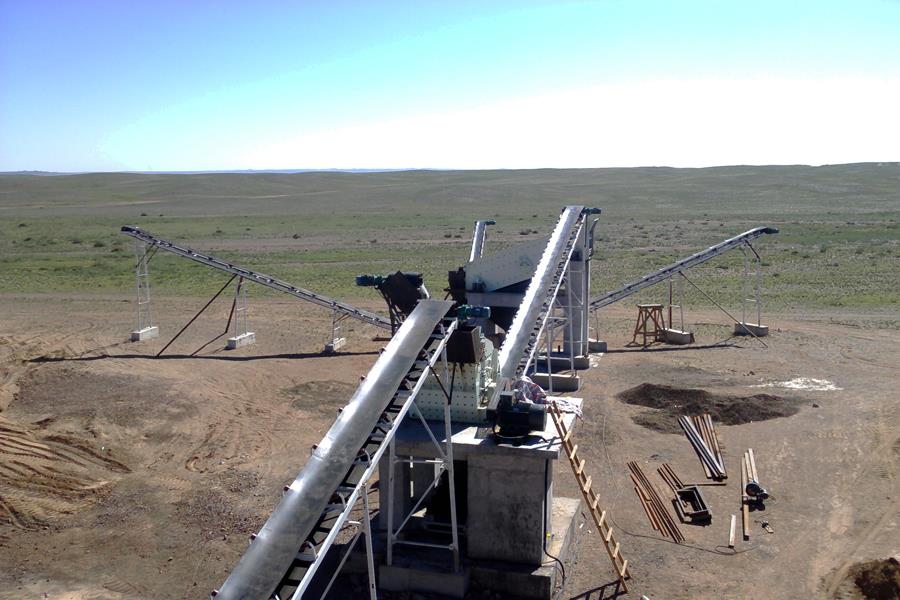
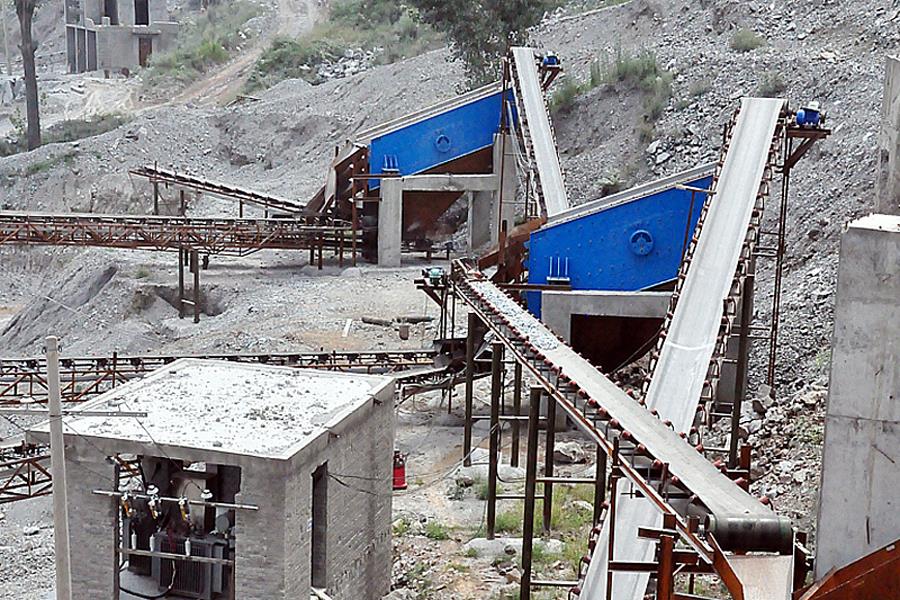
5. Final output depends on the entire production line configuration. For instance, if your target is 200 t/h, the sand maker alone cannot achieve this—the preceding jaw crusher, cone crusher, conveyor belts, etc., must also match this capacity. Otherwise, the final output will inevitably fall short. A production line's configuration must comprehensively consider all factors to meet your capacity requirements.
Regarding sand-making machine selection, the model must be configured based on actual production conditions (material hardness and moisture content, output requirements, feed particle size, and desired output particle size). For more information on sand-making machine configurations, click for online consultation. OCP Heavy Industry offers direct factory sales, free production line design, quality assurance, and competitive pricing!
-
How often should the impact plates of an impact crusher be replaced? What factors influence this?
-
How effective is quartz stone for sand production? What supporting equipment should be selected?
-
High-Performance Horizontal Screen—Three-Axis Horizontal Vibrating Screen
-
-
Advantages of OCP Heavy Industry Mobile Sand Making Machines