How effective is quartz stone for sand production? What supporting equipment should be selected?
Quartz stone is a hard, wear-resistant non-metallic mineral with a translucent or milky white appearance. It possesses stable chemical properties and a Mohs hardness of 7. Quartz sand serves as a vital industrial mineral raw material—non-hazardous—widely utilized in metallurgy, construction, chemicals, plastics, rubber, abrasives, glass, foundry, ceramics, fireproof materials, ferrosilicon smelting, metallurgical flux, filter media, and other industries, offering exceptional application value. As manufactured sand gains popularity in the market, it is gradually replacing natural river sand in the sand and gravel aggregate industry. Quartz sand boasts excellent particle shape, uniform grain size, and a polyhedral or spherical appearance with a pure white color. It features high mechanical strength, strong pollution retention capacity, and good acid resistance, demonstrating robust market growth momentum. What production equipment should be selected?
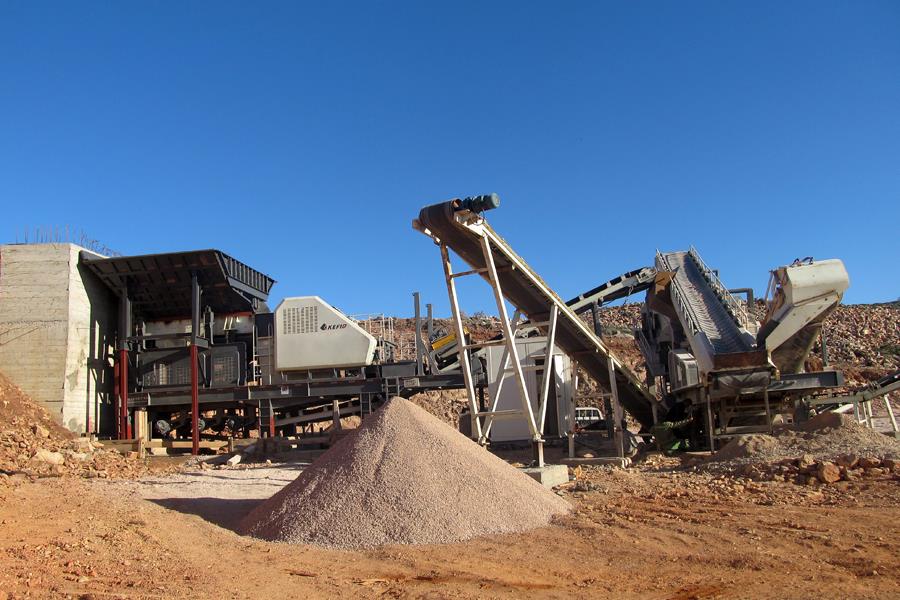
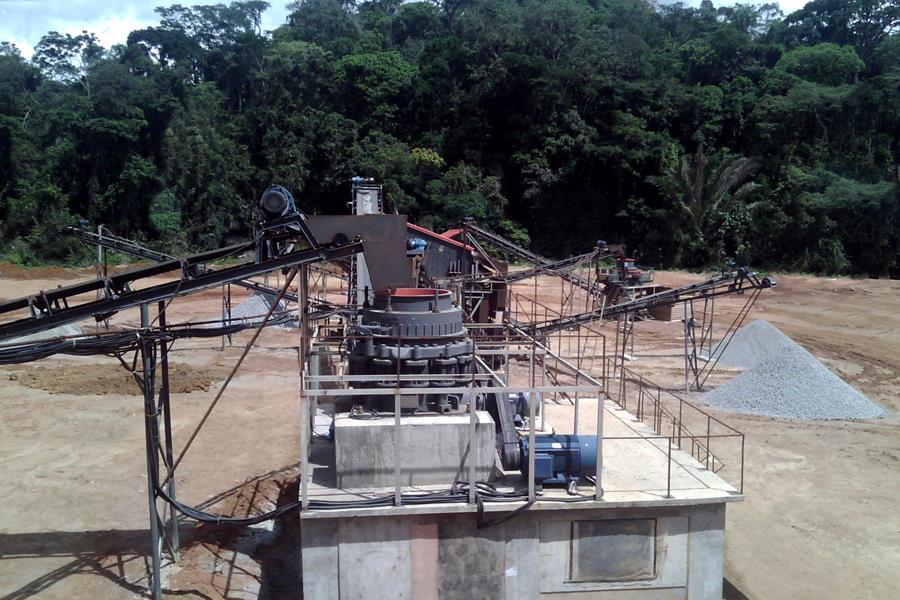
To maximize its value, raw quartz stone must undergo a series of processes including crushing, sand making, and screening to produce quartz sand. To better leverage quartz stone's utility, a complete quartz sand production line specifically designed for quartz stone is configured as follows:
1. Primary Crushing — Jaw Crusher
The jaw crusher performs primary crushing of quartzite, reducing large rock pieces to smaller sizes for subsequent processing. The ASD series jaw crusher represents our company's next-generation European-style jaw crusher, developed through optimized upgrades based on European, American, and Japanese jaw crusher technologies.
Compared to similar models, it offers significant advantages such as high output, large crushing ratio, low operating costs, user-friendly operation, and stable reliability. It is the preferred choice for coarse crushing of various rocks, meeting diverse production demands while also capable of processing over a hundred types of materials including limestone, pebbles, bluestone, and granite.
2. Secondary Crushing — Multi-Cylinder Hydraulic Cone Crusher
Quartzite possesses high hardness, making cone crushers the optimal choice for medium and fine crushing. Cone crushers deliver excellent crushing performance for high-hardness materials, exhibit strong wear resistance, and minimize impact on equipment. Featuring advanced structural design, their hydraulic systems enable self-starting and automatic cavity cleaning to expel accumulated foreign objects and protect the equipment. The fully automatic touchscreen control system ensures safe operation, strong adaptability, and outstanding energy efficiency and environmental performance. The multi-cylinder hydraulic cone crusher achieves high output through its large eccentricity, high swing frequency, and layer compression crushing principle—doubling the capacity of single-cylinder models. It delivers a high crushing ratio and superior particle shape.
3. Sand Making — Vertical Impact Crusher
Following coarse and medium-fine crushing, the vertical impact crusher processes the material into quartz sand with excellent particle shape. with uniform output particle size. The discharge size can be adjusted according to user requirements. The optimized impact angle design within the crushing chamber ensures thorough material processing while reducing wear on the equipment's inner walls. The modular discharge head design allows for replacement of only the worn parts, lowering production costs. Optional configurations include a thin-oil lubrication system and a PLC automatic control and monitoring system, enabling real-time monitoring of feed rate, current, oil temperature, main shaft temperature, vibration protection, and other functions. This equipment offers both “stone-on-stone” and “stone-on-iron” crushing modes. Both modes share the same crushing chamber, allowing conversion between “stone-on-stone” and “stone-on-iron” crushing through simple component replacement. This adaptability accommodates diverse operating conditions and material crushing/shaping requirements.
4. Supporting Equipment
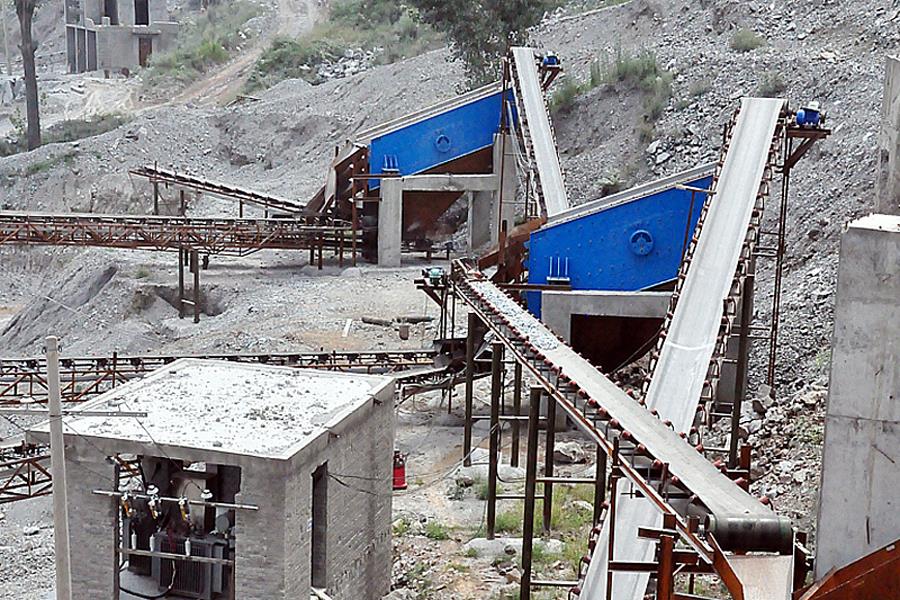
To establish a complete crushing production line, not only tertiary crushing equipment is required, but also supporting components such as vibrating feeders, vibrating screens, sand washers, and belt conveyors to integrate the production process. Crushing Production Flow: Material enters the jaw crusher via the vibrating feeder for primary crushing. A belt conveyor then transports the crushed material to the cone crusher for secondary crushing. After screening by the vibrating screen, qualified material proceeds to the sand maker for further fine crushing and sand production. Material failing to meet sand specifications returns to the cone crusher for additional secondary crushing. Material finely crushed by the sand maker undergoes screening via a vibrating screen. Compliant finished sand is washed by the sand washer, while non-compliant material returns to the sand maker for reprocessing. This cycle continues. Quartz stone washed by the sand washer is dewatered by the fine sand recovery machine to produce finished sand.
Feel free to click for online consultation anytime. Our technical managers will provide detailed specifications tailored to your needs, assist with scientific equipment selection, and introduce related products. We also cordially invite you to visit our factory for an on-site inspection.
-
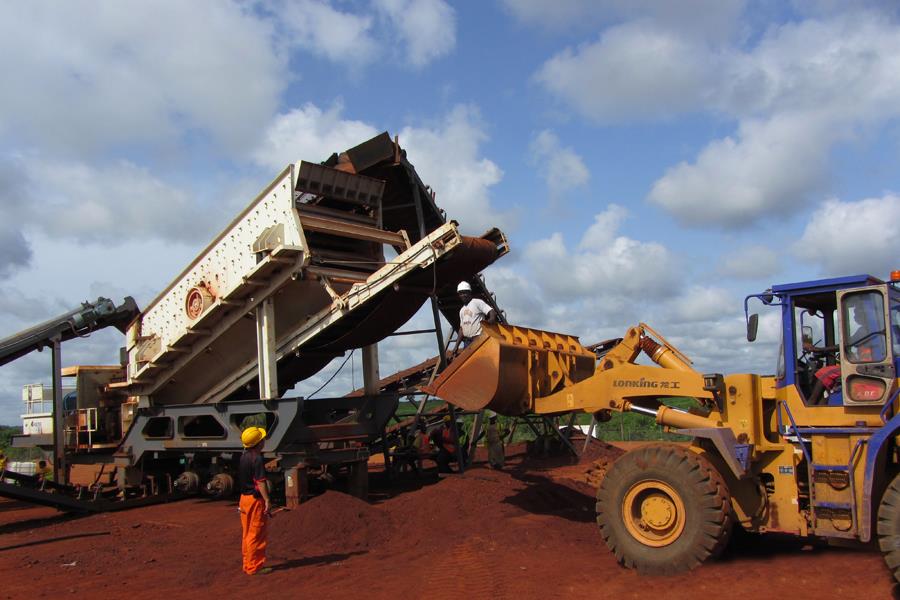
High-Performance Horizontal Screen—Three-Axis Horizontal Vibrating Screen
-
-
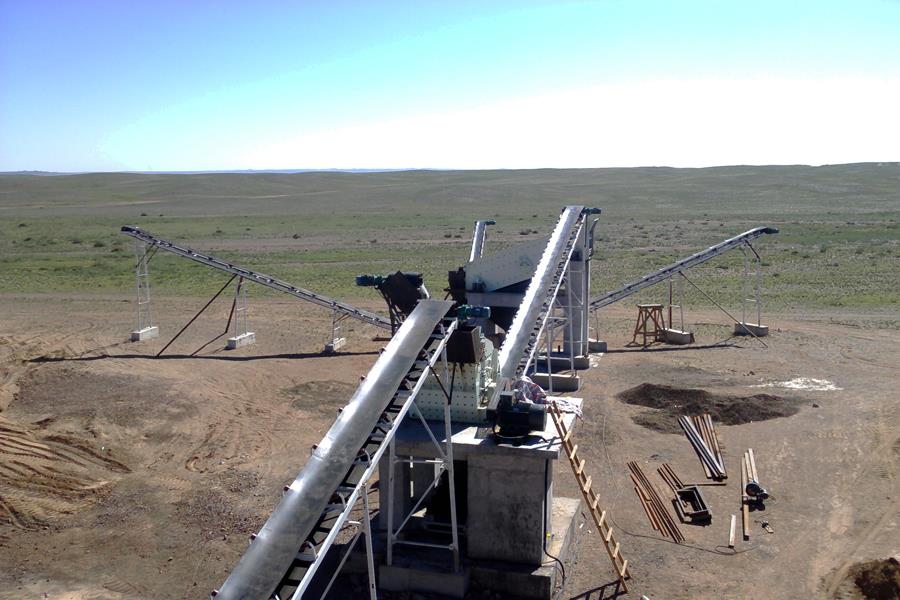
Advantages of OCP Heavy Industry Mobile Sand Making Machines
-
-