Mobile impact crusher blow bar replacement frequency for concrete recycling
Why mobile impact crusher blow bar replacement frequency for concrete recycling is critical for German operators
Germany leads Europe in construction and demolition waste recycling, commanding a 28.3 per cent share of the European market in 2025. The country's construction industry consistently achieves a mineral construction waste recycling rate exceeding 90 per cent, with concrete and bricks accounting for 56.7 per cent of throughput in the sector. For German recycling operators processing concrete waste with mobile impact crushers, blow bars represent the single most significant wear cost and maintenance consideration. Understanding mobile impact crusher blow bar replacement frequency for concrete recycling is essential for maintaining cost-effective operations, minimising downtime, and ensuring consistent product quality that meets Germany's stringent recycled aggregate specifications. At OCP Mechanical Company, with over 40 years of manufacturing experience, we supply high-performance mobile impact crushers and premium blow bars engineered for concrete recycling applications, and we provide practical guidance to help German operators optimise their wear part management for maximum profitability.
Understanding concrete waste and its impact on blow bar wear
Concrete waste is a heterogeneous material comprising crushed concrete, reinforcing steel, and sometimes asphalt or other debris. The abrasive nature of concrete, combined with the presence of steel rebar, creates challenging conditions for blow bars. Unlike natural stone crushing, where the feed material is relatively uniform, concrete recycling often involves processing material with embedded steel and variable hardness. The wear mechanism on blow bars is primarily gouging abrasion from the hard aggregates and impact fatigue from the steel reinforcement. In German recycling operations, where the quality of the feed material can vary significantly depending on the source of the demolition waste, the wear rate on blow bars can fluctuate by up to 50 per cent. This variability makes understanding mobile impact crusher blow bar replacement frequency for concrete recycling more complex than in a standard aggregate application. The presence of rebar accelerates wear on the blow bar edges, reducing their effective life and necessitating more frequent inspections. Our blow bars, available in high-chrome and martensitic steel alloys, are designed to withstand the unique demands of concrete recycling, offering a balance of abrasion resistance and impact toughness that is essential for this application.
Typical blow bar life ranges for concrete recycling applications
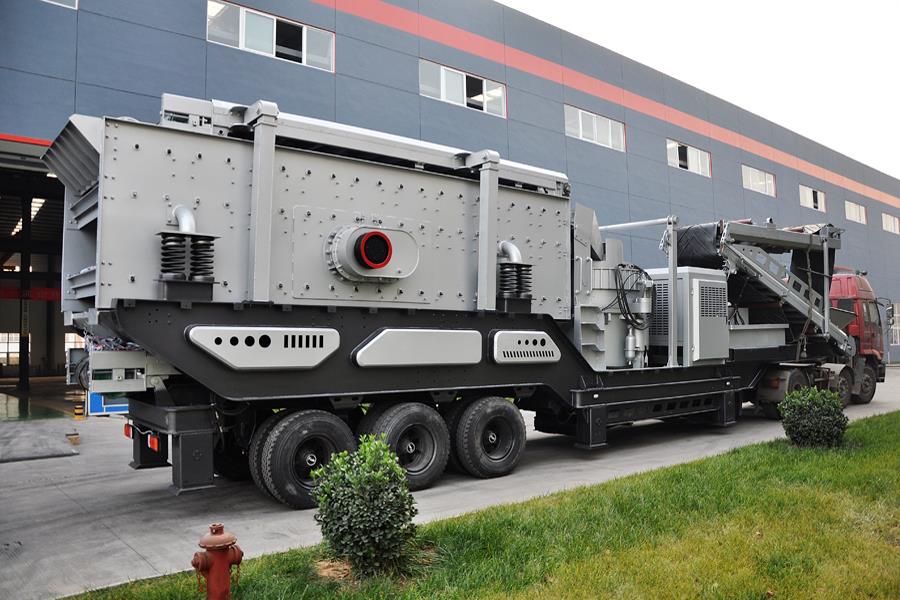
The mobile impact crusher blow bar replacement frequency for concrete recycling typically falls within the range of 500 to 1,500 operating hours, depending on several factors. For a typical German operation processing concrete with moderate steel content (2‑5 per cent) and a feed size of 200‑400 mm, blow bars made from high-chrome alloy generally last 600‑900 hours. Martensitic steel blow bars, which offer greater toughness and are more resistant to impact from steel rebar, may last 800‑1,200 hours in the same application. For operations processing high-quality concrete with minimal steel content and consistent feed, blow bar life can extend to 1,500 hours or more. Conversely, operations processing heavily reinforced concrete or material with high asphalt content may see blow bar life reduced to 400‑600 hours. When you are planning mobile impact crusher blow bar replacement frequency for concrete recycling, it is important to base your schedule on your specific feed conditions. Our CI Series impact crushers are designed with a robust rotor and blow bar retention system that allows for quick rotation and replacement, minimising downtime during change-overs.
Key factors that influence blow bar replacement frequency
Several factors influence mobile impact crusher blow bar replacement frequency for concrete recycling, and understanding these can help operators extend blow bar life and plan replacements more effectively. The steel content in the feed is the most significant factor; higher steel content accelerates wear on the blow bar edges and increases the risk of impact damage. Feed size also plays a role; larger feed particles create higher impact forces, accelerating wear. Rotor speed is another variable; higher speeds increase impact energy and can accelerate blow bar wear, while lower speeds reduce wear but may affect product quality. The blow bar material itself is a major factor; high-chrome alloys offer excellent abrasion resistance, while martensitic steels offer better toughness and are more resistant to impact from steel. Operating conditions, such as the frequency of tramp metal entering the crusher and the maintenance of the blow bar rotation schedule, also affect wear life. In German operations, where environmental regulations require careful control of dust and emissions, the use of water sprays can sometimes affect wear patterns by changing the material's moisture content. By monitoring these factors, operators can better predict mobile impact crusher blow bar replacement frequency for concrete recycling and adjust their maintenance schedules accordingly.
The importance of blow bar rotation in extending service life
One of the most effective strategies for optimising mobile impact crusher blow bar replacement frequency for concrete recycling is the regular rotation of blow bars. Most blow bars are designed with two or four usable faces. By rotating the bar to present a fresh, unworn edge to the material, you can effectively double or quadruple the service life of each bar. The optimal rotation interval depends on the wear rate and the specific application. For concrete recycling, many German operators find that rotating the bars every 80‑120 hours of operation provides the best balance of extending life and maintaining product quality. The rotation should be performed systematically, tracking the wear on each face to ensure even wear distribution. A well-maintained rotation schedule can extend blow bar life by 30‑50 per cent, significantly reducing the frequency of replacement and the associated downtime. This proactive approach is a key element of managing mobile impact crusher blow bar replacement frequency for concrete recycling, as it allows operators to maximise the value of each set of bars.
Signs that blow bar replacement is due
Recognising the signs that blow bar replacement is necessary is critical for preventing damage to the crusher and maintaining product quality. The most obvious sign is a visible reduction in blow bar thickness, typically measured at the heaviest wear point. When the bar has worn to 50‑60 per cent of its original thickness, it is time to consider replacement. Another sign is a decrease in product quality—the aggregate may become more flaky or elongated as the blow bars lose their sharp edge. An increase in power draw or a reduction in throughput can also indicate worn blow bars. In some cases, operators may notice unusual vibration or noise from the crusher, which can be caused by an imbalance in the rotor due to uneven blow bar wear. By monitoring these indicators, operators can determine the optimal time for replacement, balancing the cost of the new blow bars against the cost of lost production and reduced product quality. This proactive monitoring is essential for managing mobile impact crusher blow bar replacement frequency for concrete recycling effectively.
German regulatory and market context for concrete recycling
Germany's position as the leader in construction and demolition waste recycling is underpinned by a strong regulatory framework and a mature market for recycled aggregates. The country's environmental regulations, including the Closed Substance Cycle and Waste Management Act, require high recycling rates and place strict limits on landfill disposal. The market for recycled aggregates is well-established, with specifications for recycled concrete aggregates and road base materials that are widely accepted by construction companies. For operators, this means that consistent product quality is not just a competitive advantage—it is a compliance requirement. Regular blow bar replacement, as part of a structured maintenance program, is essential for producing the consistent, high-quality product that the German market demands. When you plan your mobile impact crusher blow bar replacement frequency for concrete recycling, it is important to consider the regulatory and market context in which you operate. Our engineering team can provide guidance on the optimal replacement strategy for your specific application, helping you meet both production and compliance targets.
Sample blow bar replacement frequency guide (For reference only)
| Feed Condition | Blow Bar Material | Typical Life (Hours) | Recommended Rotation Interval |
|---|---|---|---|
| Low steel content (<2%) | High-chrome | 1,000‑1,500 * | 120‑150 hours * |
| Moderate steel (2‑5%) | Martensitic steel | 800‑1,200 * | 80‑120 hours * |
| High steel (>5%) | Martensitic or ceramic | 400‑700 * | 60‑80 hours * |
All figures and recommendations are for reference only and are continuously updated. For the latest parameters, please consult our online customer service. Prices are for reference only and are subject to change based on configuration and market conditions. Actual results may vary depending on feed characteristics, operating conditions, and maintenance practices. OCP Mechanical reserves the right to update technical data and pricing without prior notice.
Why OCP Mechanical is your partner for mobile impact crusher wear solutions in Germany
With over 40 years of manufacturing experience, OCP Mechanical combines engineering excellence with a deep understanding of the German recycling sector. We are a factory‑direct supplier, meaning you avoid the markups charged by dealers and intermediaries. Our mobile impact crushers and high‑quality blow bars are built to deliver reliable performance in the demanding conditions of concrete recycling. We provide comprehensive after‑sales support, including spare parts availability, technical assistance, and on‑site training. Our logistics team has extensive experience shipping to Germany, ensuring timely delivery of equipment and parts. We are committed to helping you achieve the lowest possible cost per tonne in your concrete recycling operation.
Conclusion – Manage your blow bar replacement frequency and stay competitive in the German market
Understanding and optimising mobile impact crusher blow bar replacement frequency for concrete recycling is essential for maintaining cost‑effective operations, minimising downtime, and producing consistent product quality in the German market. By monitoring the key factors that influence wear, implementing a regular rotation schedule, and replacing bars at the optimal time, you can reduce your cost per tonne and improve your profitability. OCP Mechanical offers the equipment, expertise, and factory‑direct pricing you need to succeed. Our online customer service team is available 24/7 to provide free consultation, technical data, and a customised quotation for your operation. Click the chat button now – let us help you optimise your blow bar replacement strategy and build a more efficient, profitable concrete recycling operation in Germany.