
Sand making plant investment vs rental for 110 tph – A practical financial analysis for Kenyan aggregate producers
Why the sand making plant investment vs rental for 110 tph decision matters for Kenyan operators
Kenya's construction sector is experiencing sustained and robust growth. The construction market in the country is expected to grow by 7.5 per cent on an annual basis to reach KES 1.02 trillion in 2026, following a compound annual growth rate of 11.2 per cent during 2021‑2025. This upward trajectory is forecast to continue, with the market projected to grow at a CAGR of 6.4 per cent through 2030. The construction industry's value-add grew by 5.7 per cent year-on-year in Q2 2025, and total domestic credit to the construction sector increased by 17.6 per cent year-on-year in the first eight months of 2025. In October 2025, President William Ruto announced plans to invest KES 4.6 trillion ($31 billion) to develop the country's infrastructure over the next decade, including new railways, roads, and power projects. For aggregate producers and contractors, this sustained demand creates a clear opportunity. However, the question of how to secure sand making capacity remains a significant financial decision. The choice between investing in a new plant or renting equipment is not straightforward. Understanding the sand making plant investment vs rental for 110 tph is essential for making a decision that aligns with your project timeline, capital availability, and long-term business strategy. At OCP Mechanical Company, with over 40 years of manufacturing experience, we supply high-performance sand making plants, including our VSI 6X series crushers, and we provide practical financial guidance to help Kenyan operators make the right choice for their specific situation.
Capital investment – what it costs to buy a 110 TPH sand making plant
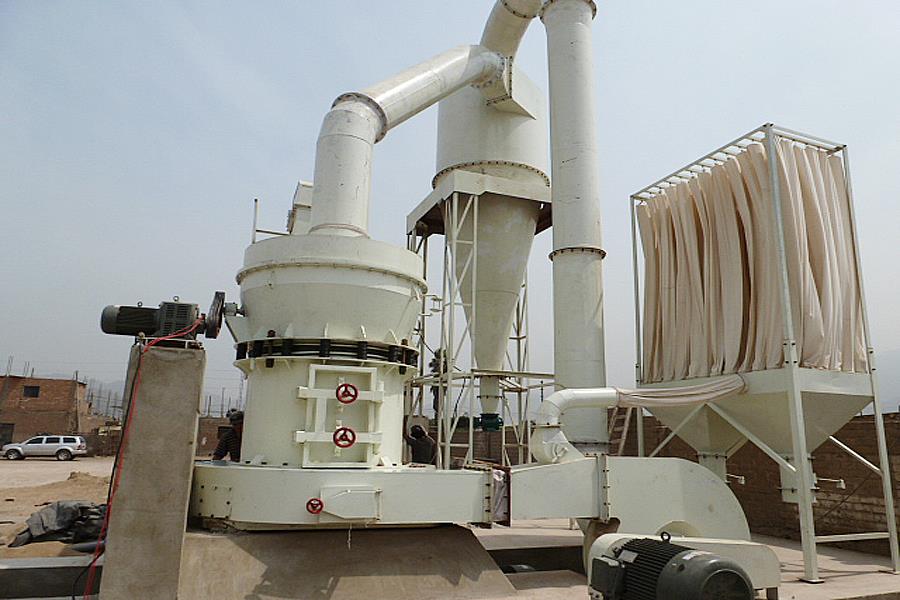
When you evaluate the sand making plant investment vs rental for 110 tph, the first consideration is the capital expenditure. A complete sand making plant for 110 tonnes per hour typically includes a primary jaw crusher, a secondary cone or impact crusher, a VSI crusher for shaping, screening equipment, conveyors, and a control system. The total investment for a new plant of this capacity can range from USD 550,000 to USD 750,000, depending on the level of automation, the quality of components, and the specific configuration. This price range is for reference only – final quotations depend on your specific requirements and site conditions. In addition to the equipment cost, there are other expenses: site preparation, foundation works, electrical connections, installation, and commissioning. These can add 10‑20 per cent to the total project cost. For a Kenyan operator, the investment also includes import duties, which can vary depending on the equipment classification, and VAT, which is recoverable for registered businesses. The total capital outlay for a 110 TPH plant is therefore a substantial commitment. However, when you consider the potential revenue from sand production – at typical Kenyan prices of KES 600‑1,200 per tonne – the payback period can be 12‑24 months, depending on utilisation and market prices. This is a key factor in the sand making plant investment vs rental for 110 tph analysis.
Rental costs – what you pay for flexible capacity
Renting a sand making plant offers an alternative to the large capital outlay of purchasing. In Kenya, rental costs for crushing and screening equipment vary widely depending on the equipment size, the duration of the rental, and the specific terms of the agreement. For a 110 TPH sand making plant, the typical rental rate ranges from USD 15,000 to USD 30,000 per month, depending on the equipment, the operator, and the support services included. Some rental agreements include maintenance and operator costs, while others are dry hire (equipment only). For a project of 6‑12 months, the total rental cost can be significant. For example, a 12‑month rental at USD 20,000 per month would cost USD 240,000, which is a substantial portion of the purchase price. However, the key advantage of rental is flexibility – you can scale up or down as project demands change, and you avoid the commitment of a large capital investment. This flexibility is particularly valuable for contractors who move between multiple sites or who have a project-based business model. When you compare the sand making plant investment vs rental for 110 tph, the rental option is often more attractive for projects with a duration of less than 18‑24 months.
Comparing total cost of ownership – investment vs rental over time
To make a realistic sand making plant investment vs rental for 110 tph comparison, it is necessary to look at the total cost of ownership over a typical project lifespan. For a purchased plant, the total cost includes the capital cost, financing costs (if applicable), maintenance, wear parts, and the residual value of the equipment at the end of the period. For a rented plant, the total cost is simply the rental payments, with the possibility of additional costs for transport and consumables. Over a 2‑year period, the cost of a purchased plant might be: capital cost USD 650,000, maintenance and wear parts USD 80,000, financing (at 12 per cent) USD 78,000, and residual value (say 50 per cent of capital) minus USD 325,000, giving a net cost of USD 483,000. The cost of a rented plant over the same 2‑year period (24 months at USD 20,000/month) is USD 480,000 – similar. The two options are roughly comparable over a 2‑year horizon. However, over a 3‑year horizon, the purchased plant becomes significantly more cost‑effective, as the rental costs continue to accumulate while the purchased plant has already been paid for and the maintenance costs are lower. This analysis is central to the sand making plant investment vs rental for 110 tph decision, and it demonstrates that for longer‑term operations, investment is generally the more economical option.
Operational and maintenance considerations
Beyond the pure cost analysis, there are operational differences between owning and renting. When you invest in a sand making plant, you have full control over the maintenance schedule, the wear parts selection, and the operating procedures. You can optimise the plant for your specific feed and product requirements, and you can train your own operators to achieve the highest productivity. This control often translates into lower operating costs and higher reliability over time. When you rent, you are typically subject to the rental company's maintenance schedule and wear parts policy. While this can reduce your responsibility, it also means you have less control over the quality of the maintenance and the timing of repairs. In the Kenyan context, where access to skilled technicians and spare parts can be challenging, having your own plant with a well‑stocked spares inventory can be a significant advantage. However, for a short‑term project, the reduced responsibility of rental may be preferable. This operational dimension is an important part of the sand making plant investment vs rental for 110 tph comparison, as it affects not just the cost but also the reliability and performance of the operation.
Kenya's operating environment – currency, financing, and logistics
Kenya's unique operating environment influences the sand making plant investment vs rental for 110 tph decision. The Kenyan shilling has experienced volatility in recent years, and any equipment imported in foreign currency (USD) will be subject to exchange rate risk. This can make the cost of a purchased plant less predictable, while a rental agreement may be denominated in local currency, reducing this risk. Financing costs are another factor; borrowing in Kenya can be expensive, with commercial lending rates typically in the range of 12‑15 per cent. This increases the cost of capital for a purchased plant, extending the payback period. Logistics are also a consideration; transporting a complete sand making plant to a site in Kenya can be challenging, particularly during the rainy season when roads may be impassable. Renting a plant from a local supplier may avoid some of these logistics challenges, as the equipment is already in the country. Our team can provide guidance on these local factors, helping you incorporate them into your sand making plant investment vs rental for 110 tph analysis.
Sample financial comparison table (For reference only)
| Factor | Investment (Purchase) | Rental |
|---|---|---|
| Capital outlay | USD 550,000‑750,000 * | USD 0 (deposit only) |
| Monthly cost | Financing + maintenance + wear parts | USD 15,000‑30,000 * |
| 2‑year total cost (net) | USD 450,000‑550,000 * | USD 360,000‑720,000 * |
| 3‑year total cost (net) | USD 500,000‑650,000 * | USD 540,000‑1,080,000 * |
| Flexibility | Low | High |
| Control | Full | Limited |
| Residual value | 30‑50% of capital | None |
All figures and recommendations are for reference only and are continuously updated. For the latest parameters, please consult our online customer service. Prices are for reference only and are subject to change based on configuration and market conditions. Actual results may vary depending on feed characteristics, operating conditions, and maintenance practices. OCP Mechanical reserves the right to update technical data and pricing without prior notice.
Why OCP Mechanical is your partner for sand making solutions in Kenya
With over 40 years of manufacturing experience, OCP Mechanical combines engineering excellence with a deep understanding of the Kenyan market. We are a factory‑direct supplier, meaning you avoid the markups charged by dealers and intermediaries. Our sand making plants, including our VSI 6X series crushers, are built with high‑quality components and are designed for reliable performance in the most demanding applications. We provide comprehensive after‑sales support, including spare parts availability, technical assistance, and on‑site training. Our logistics team has extensive experience shipping to Kenya, ensuring timely delivery of equipment and parts. We are committed to helping you make the right investment decision for your operation, whether that means purchasing or renting.
Conclusion – Choose the right path for your Kenyan sand production project
The decision between investing in a sand making plant and renting one depends on your project duration, your capital availability, your financing options, and your operational preferences. For long‑term operations, investment generally offers the best return, with a lower cost per tonne and the ability to optimise the plant for your specific needs. For short‑term or project‑based operations, rental offers flexibility and reduces financial risk. OCP Mechanical offers the equipment, expertise, and factory‑direct pricing you need to succeed. Our online customer service team is available 24/7 to provide free consultation, technical data, and a customised quotation for your operation. Click the chat button now – let us help you evaluate the sand making plant investment vs rental for 110 tph and build a more profitable sand production operation in Kenya.
-
-
-
-
How to reduce sand washing plant chemical flocculant consumption
-
Feeder grizzly bar spacing selection for clay removal from ore



