Cost of transporting a mobile crushing plant between sites – A practical guide for Indonesian quarry and mining operators
Why the cost of transporting a mobile crushing plant between sites is a critical factor for Indonesian operations
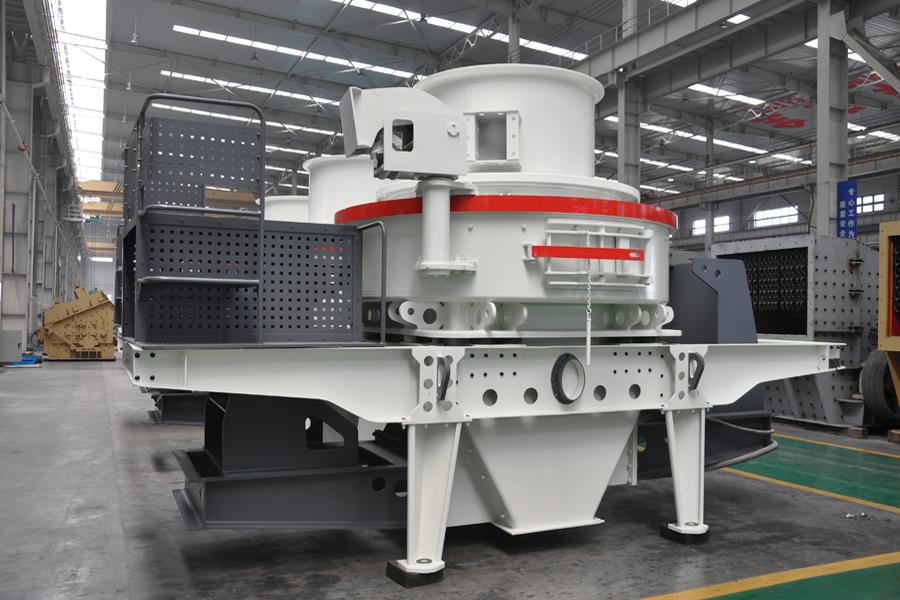
Indonesia's geography is both a blessing and a challenge. With over 17,500 islands stretching across 5,000 kilometres, the archipelago presents one of the most complex logistics environments in the world. The country's logistics costs are among the highest in Southeast Asia, accounting for approximately 14.29 per cent of GDP—significantly higher than in many peer economies. For quarry and mining operators, the decision to invest in a mobile crushing plant is often driven by the promise of flexibility: the ability to move equipment between sites as projects begin and end. However, the cost of transporting a mobile crushing plant between sites can vary dramatically depending on distance, site accessibility, permitting requirements, and the type of mobile plant. A poorly estimated transport cost can turn a seemingly profitable project into a loss-making venture. Understanding these costs is therefore essential for accurate project budgeting and for making informed decisions about whether to invest in a mobile plant or a stationary one. At OCP Mechanical Company, with over 40 years of manufacturing experience, we supply wheel-mounted and track-mounted mobile crushing plants and provide practical guidance to help Indonesian operators navigate the complexities of inter-site logistics.
Key factors that influence transport costs in Indonesia
The cost of transporting a mobile crushing plant between sites in Indonesia is influenced by several region-specific factors. Distance is the most obvious factor, but in Indonesia, distance is often less significant than the mode of transport. Moving a plant by road within a single island such as Java or Sumatra is relatively straightforward, with well-developed highway networks. However, moving between islands requires sea transport, which significantly increases costs and lead times. Site accessibility is another major factor. Many quarry and mining sites are located in remote areas with unpaved roads, limited bridge capacities, or steep terrain. In such cases, specialised low-bed trailers or even helicopter transport may be required, driving up costs dramatically. Permitting and regulatory requirements add another layer of complexity. Moving heavy equipment often requires special permits from local authorities, which can take time and incur fees. Seasonal factors also play a role; during the rainy season, many roads become impassable, delaying transport and increasing costs. By understanding these factors, operators can plan their moves more effectively and avoid unexpected expenses.
Road transport costs – within-island moves
For moves within a single island, road transport is the most common method. The cost of transporting a mobile crushing plant between sites by road depends on the distance, the weight and dimensions of the equipment, and the availability of specialised trailers. A typical mobile crushing plant for 100‑150 TPH weighs between 60,000 and 100,000 kg and requires a low-bed trailer with multiple axles. The transport cost per kilometre in Indonesia typically ranges from IDR 150,000 to IDR 400,000 per kilometre, depending on the route and the equipment. For a move of 500 kilometres, the transport cost could be IDR 75‑200 million (approximately USD 4,700‑12,500). Additional costs include escort vehicles, which are often required for wide or heavy loads, and the cost of loading and unloading at each end. The transport cost also depends on the type of mobile plant; track-mounted plants generally require less disassembly than wheel-mounted plants but are heavier and may require more specialised transport. By planning the move and securing quotations from several transport companies, operators can manage these costs effectively.
Sea transport costs – inter-island moves
Moving a mobile crushing plant between islands is significantly more complex and expensive than road transport. The cost of transporting a mobile crushing plant between sites across the Indonesian archipelago involves shipping the equipment on a roll-on/roll-off (Ro-Ro) vessel or a flatbed barge. The cost depends on the departure and destination ports, the size and weight of the equipment, and the shipping schedule. Typical shipping costs for a 60‑80 tonne mobile plant between major Indonesian islands (e.g., Java to Sumatra, or Java to Kalimantan) range from IDR 150 million to IDR 400 million (approximately USD 9,400‑25,000) per move. These costs can be significantly higher for remote destinations such as Papua or Maluku. In addition to the shipping cost, there are port handling charges, customs clearance fees (for domestic moves, this is usually straightforward but still incurs costs), and the cost of inland transport at each end. The lead time for inter-island shipping is typically 7‑14 days, depending on the schedule. For operators with multiple island sites, the transport cost can be a substantial part of the project budget.
Disassembly and reassembly costs
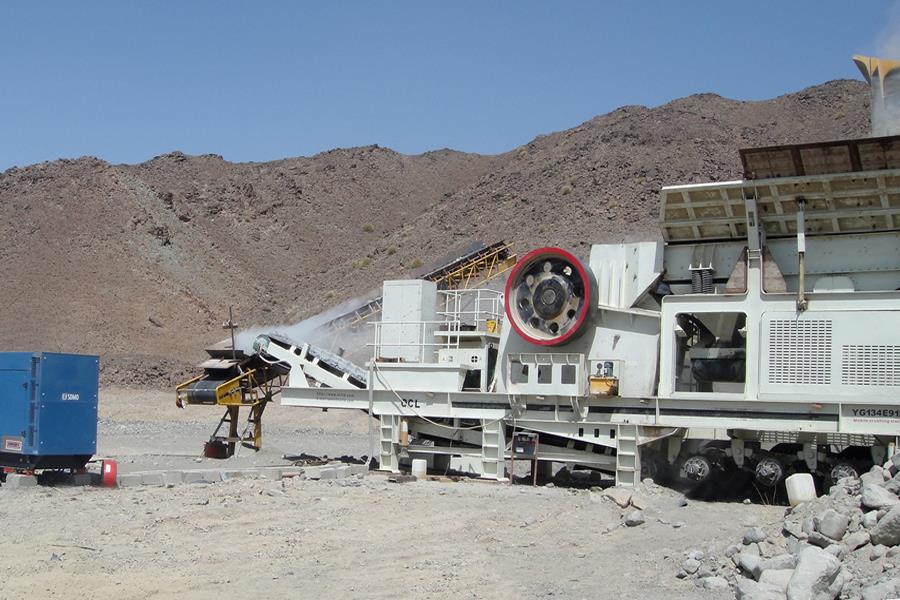
A significant component of the cost of transporting a mobile crushing plant between sites is the labour and time required for disassembly and reassembly. While mobile plants are designed to be more portable than stationary plants, they still require some disassembly to prepare for transport. For a wheel-mounted plant, this may involve removing the discharge conveyors, folding the feed hopper, and securing the crusher for transport. For a track-mounted plant, the tracks must be cleaned and secured, and the plant may need to be partly dismantled to meet transport dimensions. The disassembly and reassembly process can take 2‑4 days for a skilled crew, with a labour cost of IDR 5‑10 million per day. In remote sites, where accommodation and catering must be provided for the crew, the cost is higher. Some operators choose to leave the plant assembled and move it as a single unit, but this requires the use of a heavy-duty low-bed trailer and may require special permits. By planning the disassembly and reassembly process carefully, operators can reduce the overall transport cost and the downtime between jobs.
Permitting and compliance costs
Regulatory compliance is an often-overlooked factor in the cost of transporting a mobile crushing plant between sites in Indonesia. Moving heavy equipment on public roads requires permits from the local transport authority and often from the police. The permits cover the route, the dimensions and weight of the load, and the timing of the move. The cost of these permits can vary widely, from a few hundred thousand rupiah to several million, depending on the region and the complexity of the move. For moves that involve crossing provincial borders, additional permits may be required. In some cases, escort vehicles are mandatory, adding to the cost. For inter-island moves, there may be additional requirements from the port authority and the shipping company. Failure to secure the correct permits can result in delays and fines. By starting the permitting process early and working with a logistics provider who is familiar with the local regulations, operators can avoid costly delays.
Comparing transport costs for different mobile plant types
The type of mobile plant significantly affects the cost of transporting a mobile crushing plant between sites. Wheel-mounted plants are generally easier to transport because they can be moved on standard low-bed trailers, and they are often designed with integrated axles that simplify loading and unloading. However, they require a solid, level site for operation and may need more site preparation. Track-mounted plants are designed for ultimate mobility, but they are heavier and may require more specialised transport. They can be driven off the transport vehicle and onto the site, but their weight can be a challenge for some bridges and roads. The transport cost for a track-mounted plant is typically 15‑25 per cent higher than for a wheel-mounted plant of similar capacity due to the higher weight and the need for more specialised transport. However, the lower site preparation costs and the ability to move within a site without additional transport can offset this. When evaluating the cost of transporting a mobile crushing plant between sites, operators should consider both the initial move cost and the ongoing mobility costs.
Sample transport cost estimate (For reference only)
| Move Type | Distance | Estimated Cost (IDR) |
|---|---|---|
| Road move (Java) | 300 km | 45‑120 million |
| Road move (Sumatra) | 500 km | 75‑200 million |
| Inter-island (Java to Kalimantan) | — | 150‑400 million |
| Disassembly/reassembly | — | 10‑40 million (labour) |
| Permitting | — | 5‑20 million |
All figures and recommendations are for reference only and are continuously updated. For the latest parameters, please consult our online customer service. Prices are for reference only and are subject to change based on configuration, fuel prices, and market conditions. Actual results may vary depending on site conditions, logistical factors, and other variables. OCP Mechanical reserves the right to update technical data and pricing without prior notice.
How OCP Mechanical supports your mobile plant logistics
With over 40 years of manufacturing experience, OCP Mechanical combines engineering excellence with a deep understanding of the Indonesian market. We are a factory-direct supplier, meaning you avoid the markups charged by dealers and intermediaries. Our wheel-mounted and track-mounted mobile crushing plants are designed for efficient transport and rapid deployment, minimising the time and cost of moving between sites. We provide comprehensive after-sales support, including spare parts availability, technical assistance, and on-site training. Our logistics team has extensive experience shipping to Indonesia and can provide guidance on the most cost-effective transport solutions for your mobile plant.
Conclusion – Plan your transport costs carefully to maximise project profitability
The cost of transporting a mobile crushing plant between sites is a significant factor in the overall economics of a mobile plant operation. By understanding the key cost drivers—distance, mode of transport, disassembly and reassembly, permitting, and the type of plant—operators can budget accurately and avoid unexpected expenses. OCP Mechanical offers the equipment, expertise, and factory-direct pricing you need to succeed. Our online customer service team is available 24/7 to provide free consultation, technical data, and a customised quotation for your operation. Click the chat button now – let us help you manage the cost of transporting a mobile crushing plant between sites and build a more flexible and profitable operation in Indonesia.
-
-
How to reduce sand washing plant chemical flocculant consumption
-
Feeder grizzly bar spacing selection for clay removal from ore
-
-