Cone crusher tramp iron release system comparison – A practical guide for selecting the right overload protection
Why a cone crusher tramp iron release system comparison is essential for protecting your investment
Cone crushers operate under immense forces, processing millions of tonnes of material over their service life. One of the greatest threats to this expensive equipment is tramp iron—unexpected metal objects such as excavator teeth, drill bits, mill balls, or broken bolts that find their way into the crushing chamber. When an uncrushable object enters a cone crusher, the result can be catastrophic: damaged main shafts, cracked frames, destroyed bearings, and hours or even days of unplanned downtime. To prevent this, all modern cone crushers are equipped with some form of tramp iron release system. However, not all release systems are created equal. The two primary approaches—mechanical spring systems and hydraulic systems—differ fundamentally in their design, response time, and impact on operational efficiency. Understanding this cone crusher tramp iron release system comparison is essential for any operator looking to protect their equipment, minimise downtime, and control operating costs over the long term. At OCP Mechanical Company, with over 40 years of manufacturing experience, we supply cone crushers across a full range of configurations, including both spring and hydraulic designs, and we provide practical guidance to help operators select the system that best suits their operational needs.
How spring tramp iron release systems work and their limitations
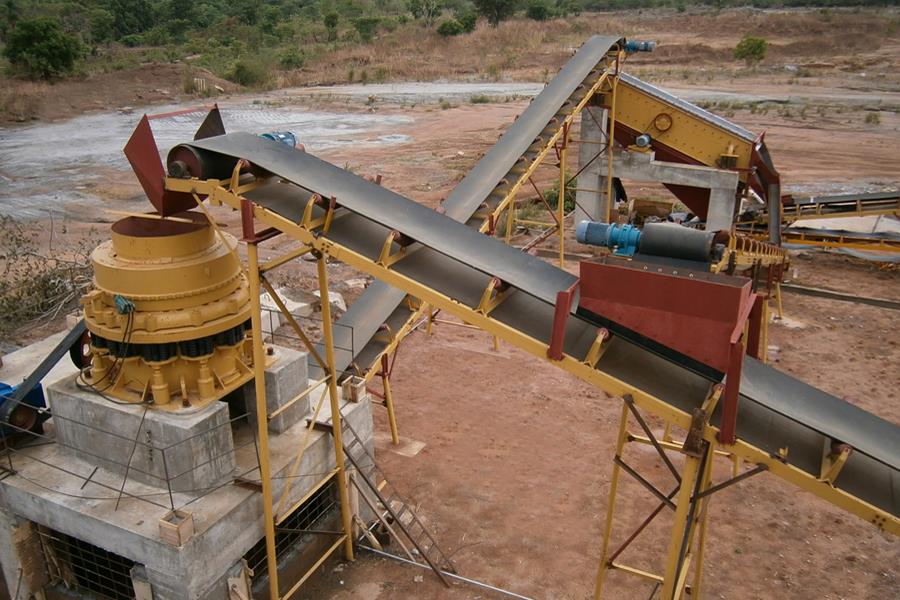
Spring release systems have been the industry standard for decades and remain widely used in many cone crusher models, particularly in legacy designs. In this configuration, heavy coil springs are positioned around the crusher frame, holding the upper bowl assembly down onto the lower frame assembly. When an uncrushable object enters the crushing chamber, the immense pressure forces the bowl to lift against the spring tension. The springs compress, allowing the bowl to rise and the tramp iron to pass through the discharge opening. Once the object has passed, the springs return the bowl to its original position, and normal crushing resumes. The force required to lift the bowl is determined by the spring preload, which is set during installation. The main advantage of spring systems is their simplicity. They have no moving hydraulic parts, no complex controls, and are highly robust. However, their limitations are significant. The release force is fixed; it cannot be adjusted easily to match different operating conditions. The response time is slower than hydraulic systems, and the springs are prone to fatigue over time, leading to inconsistent performance and the need for periodic replacement. In a cone crusher tramp iron release system comparison, spring systems are often seen as the more traditional, less flexible option.
How hydraulic tramp iron release systems work and their advantages
Hydraulic tramp iron release systems are a more modern design, offering significant operational advantages over spring systems. In a hydraulic cone crusher, the bowl assembly is held down by hydraulic cylinders that are connected to a nitrogen-charged accumulator. When tramp iron enters the chamber, the hydraulic pressure increases, and the bowl is lifted by the compression of the nitrogen gas in the accumulator. The release time is very fast—typically milliseconds—which minimises the stress on the crusher components. Once the tramp iron has passed, the system returns to its normal pressure, and the bowl is lowered back to its original position. The key advantage of the hydraulic system is its adjustability. The release pressure can be set to match the specific operating conditions, allowing the operator to optimise the crusher's performance and protection. Hydraulic systems also offer a "clearing" function, where the bowl can be raised and lowered repeatedly to clear a blockage, reducing the need for manual intervention. In the cone crusher tramp iron release system comparison, hydraulic systems are widely regarded as superior in terms of responsiveness, flexibility, and ease of operation.
Comparing response time and protection effectiveness
One of the most critical factors in a cone crusher tramp iron release system comparison is the response time—the speed at which the system reacts to the presence of tramp iron. A slower response time allows the tramp iron to remain in the crushing chamber for longer, increasing the stress on the main shaft, the bearings, and the frame. In extreme cases, a slow response can lead to component damage even if the system eventually releases. Hydraulic systems offer a clear advantage in this area. The release is almost instantaneous, as the gas in the accumulator compresses rapidly. The pressure spike is contained, and the bowl lifts quickly, minimising the stress on the crusher. Spring systems, by contrast, rely on the compression of physical springs, which takes a finite amount of time. The response can be slow enough to allow damage to occur, particularly if the tramp iron is large or if the springs have weakened over time. For operators processing material with a known risk of tramp iron, such as recycled concrete or demolition waste, the faster response of a hydraulic system offers a significant advantage in protecting the crusher.
Maintenance and operating cost considerations
The long-term cost of ownership is a crucial dimension of the cone crusher tramp iron release system comparison. Spring systems are simple and robust, but they require periodic inspection and replacement of the springs, which can be a labour-intensive process. The springs may also need to be adjusted to maintain the correct release force, which requires a skilled technician. Hydraulic systems, while more complex, are generally more reliable. The hydraulic oil and filters require regular maintenance, but the system is less prone to wear than mechanical springs. In the event of a tramp iron event, the hydraulic system can often reset itself without manual intervention, reducing downtime and labour costs. However, the hydraulic system does have a higher initial cost and may require more expensive repairs if the hydraulic components fail. In a cone crusher tramp iron release system comparison, the choice often comes down to a balance between the simplicity of the spring system and the performance and flexibility of the hydraulic system.
Suitability for different applications
The optimal tramp iron release system depends on the specific application. For hard rock crushing applications where the risk of tramp iron is low, a spring system may be perfectly adequate. It offers robust, reliable protection at a lower initial cost. For applications where tramp iron is common—such as recycling, demolition, or processing material from urban sites—a hydraulic system offers superior protection. The faster response and adjustable release pressure reduce the risk of damage and the associated downtime. For operations that process multiple rock types, the adjustability of the hydraulic system allows the operator to optimise the crusher for each material, maximising performance. In the cone crusher tramp iron release system comparison, the hydraulic system is generally considered the more versatile and future-proof option, but the spring system remains a cost-effective choice for less demanding applications.
Sample tramp iron release system comparison (For reference only)
| Feature | Spring System | Hydraulic System |
|---|---|---|
| Response time | Slower | Fast (milliseconds) * |
| Adjustability | Fixed | Adjustable * |
| Clearing function | No | Yes * |
| Maintenance | Spring inspection/replacement | Hydraulic oil and filter maintenance * |
| Initial cost | Lower | Higher (+20‑40%) * |
| Suitability | Hard rock, low tramp iron risk | Recycling, urban sites, high tramp iron risk * |
All figures and recommendations are for reference only and are continuously updated. For the latest parameters, please consult our online customer service. Prices are for reference only and are subject to change based on configuration and market conditions. Actual results may vary depending on feed characteristics, operating conditions, and maintenance practices. OCP Mechanical reserves the right to update technical data and pricing without prior notice.
Why OCP Mechanical is your partner for cone crusher selection
With over 40 years of manufacturing experience, OCP Mechanical combines engineering excellence with practical, field-tested knowledge of cone crusher technology. We are a factory-direct supplier, meaning you avoid the markups charged by dealers and intermediaries. Our HP Series hydraulic cone crushers and our spring cone crushers are built with high-quality components and are designed for reliable performance in the most demanding applications. We provide comprehensive after-sales support, including spare parts availability, technical assistance, and on-site training. We are committed to helping you select the right tramp iron release system for your specific needs, balancing protection, performance, and cost.
Conclusion – Choose the right tramp iron release system for your operation
The choice between a spring and a hydraulic tramp iron release system is a decision that affects the long-term reliability and operating cost of your cone crusher. By understanding the differences in response time, adjustability, maintenance, and suitability for different applications, you can make an informed choice that protects your investment and maximises your productivity. OCP Mechanical offers the equipment, expertise, and factory-direct pricing you need to succeed. Our online customer service team is available 24/7 to provide free consultation, technical data, and a customised quotation for your operation. Click the chat button now – let us help you with your cone crusher tramp iron release system comparison and build a more reliable, profitable crushing operation.