
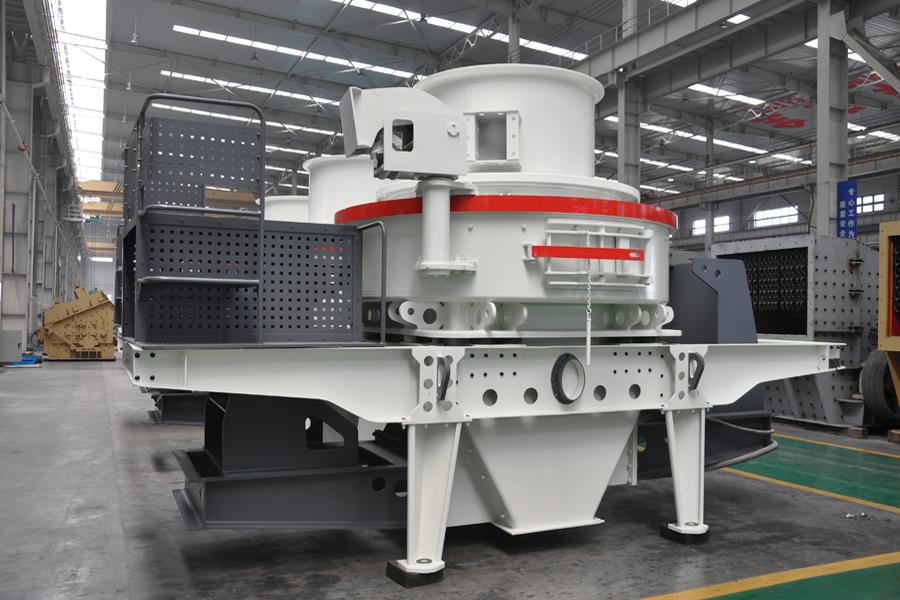
Jaw crusher deep chamber vs shallow chamber for friable ore – A practical guide for South African mining and quarry operations
Why the jaw crusher deep chamber vs shallow chamber for friable ore decision matters for South African operators
South Africa's mining and quarrying sectors are among the most diverse and demanding in the world. From the platinum-bearing ores of the Bushveld Complex to the gold reefs of the Witwatersrand and the coal deposits of Mpumalanga, operators process a wide range of materials with varying hardness, abrasiveness, and friability. Friable ores—those that break easily along natural cleavage planes or fractures—present a unique set of challenges for primary crushing. They can generate excessive fines, cause packing in the crushing chamber, and accelerate wear on jaw plates if the wrong equipment is selected. The choice between a deep chamber and a shallow chamber jaw crusher is therefore not a trivial one. Understanding the jaw crusher deep chamber vs shallow chamber for friable ore trade-off is essential for South African operators who want to achieve consistent product quality, control operating costs, and maximise crusher availability. At OCP Mechanical Company, with over 40 years of manufacturing experience, we supply a complete range of jaw crushers, including deep-chamber and shallow-chamber designs, and we provide practical guidance to help operators select the optimal configuration for their specific ore characteristics.
Understanding friable ore and its impact on crushing performance
Friable ores are characterised by their tendency to break easily under compressive stress. In South Africa, examples include certain iron ores, weathered manganese ores, some copper ores, and coal. The friability of these materials means that they require less energy to crush, but they also tend to generate a higher proportion of fines during the crushing process. If the crusher chamber is not designed to handle the flow characteristics of friable ore, the material can pack in the chamber, reducing throughput and increasing the risk of blockages. The fines generated can also cause wear on the jaw plates and the discharge opening, accelerating maintenance requirements. When you consider the jaw crusher deep chamber vs shallow chamber for friable ore, the key question is how the chamber design influences the flow of material through the crusher and the resulting product gradation. A deep chamber, with its longer crushing zone and better nip angle, tends to allow more rock-on-rock crushing, which can reduce the generation of fines and improve product shape. A shallow chamber, with its shorter crushing zone, may be more suitable for applications where a finer product is required, but it may also be more prone to packing with friable materials.
Deep chamber jaw crushers – design and advantages
A deep chamber jaw crusher is characterised by a longer vertical distance between the feed opening and the discharge opening, and a steeper nip angle. This design allows the material to travel a longer distance through the chamber before it is discharged, providing more opportunities for the rock to break along its natural cleavage planes. Deep chamber crushers are also typically equipped with a longer jaw plate, which increases the surface area available for crushing. For friable ores, the deep chamber offers several advantages. The longer crushing zone allows the material to be reduced gradually, reducing the impact forces on the jaw plates and minimising the generation of fines. The improved nip angle helps to draw the material into the chamber, reducing the risk of packing. The deep chamber also allows for a larger feed opening, which can be beneficial if the feed contains a mixture of coarse and fine material. In South African applications, a deep chamber jaw crusher is often the preferred choice for friable ores where a cubical product with minimal fines is required. Our PE Series jaw crushers are available in deep-chamber configurations, specifically engineered for materials that are prone to fines generation.
Shallow chamber jaw crushers – design and applications
A shallow chamber jaw crusher has a shorter vertical distance between the feed and discharge, and a shallower nip angle. This design is typically used in applications where the material is relatively free-flowing and not prone to packing. The shallower chamber allows the material to pass through the crusher more quickly, which can increase the throughput for a given power input. For friable ores, the shallow chamber may be suitable if the material is dry and has a low fines content. However, for ores that are sticky or have a high proportion of fines, the shallow chamber can be problematic. The material may not be drawn into the chamber effectively, leading to blockages and reduced throughput. The shorter crushing zone also means that the material is subjected to more impact forces, which can increase fines generation. Shallow chamber crushers are sometimes used in secondary or tertiary applications, where a finer product is required, but for primary crushing of friable ores, they are generally not the preferred choice. When you evaluate the jaw crusher deep chamber vs shallow chamber for friable ore, the shallow chamber is best suited to free-flowing, non-sticky materials with low fines content.
Comparing product shape and fines generation
The shape of the final product and the amount of fines generated are critical performance indicators in any crushing operation. For friable ores, the deep chamber tends to produce a more cubical product with a lower flakiness index. The longer crushing zone allows the material to be reduced gradually, with less shearing and more compression, which promotes cleavage along natural planes. This results in a product with a more regular shape, which is highly desirable for concrete aggregates and road base materials. In contrast, the shallow chamber's shorter crushing zone tends to generate more impact forces, which can produce a higher proportion of fines and a more elongated product. For South African operators producing aggregates for construction, the deep chamber often delivers a better product shape, which can command a premium price. This is a key consideration in the jaw crusher deep chamber vs shallow chamber for friable ore decision.
Maintenance and wear considerations
The choice between deep and shallow chamber designs also affects maintenance and wear costs. In a deep chamber crusher, the jaw plates are longer, and the wear tends to be distributed more evenly across the crushing surface. This can result in longer jaw plate life and reduced maintenance frequency. In a shallow chamber crusher, the wear is often concentrated in a smaller area, particularly near the discharge opening, which can accelerate jaw plate wear and increase the frequency of replacements. For friable ores, where fines generation is a concern, the deep chamber's ability to reduce fines can also reduce the abrasive wear on the jaw plates, as the material is not subjected to the same level of impact. When you evaluate the jaw crusher deep chamber vs shallow chamber for friable ore, the deep chamber generally offers a lower total cost of ownership due to extended wear life and reduced maintenance.
Sample chamber comparison table (For reference only)
| Feature | Deep Chamber | Shallow Chamber |
|---|---|---|
| Crushing zone length | Long | Short |
| Nip angle | Steep | Shallow |
| Suitability for friable ore | High | Low |
| Fines generation | Low | High |
| Product shape | Cubical | Elongated |
| Jaw plate wear life | Extended | Shorter |
| Typical application | Primary crushing | Secondary/tertiary |
All figures and recommendations are for reference only and are continuously updated. For the latest parameters, please consult our online customer service. Prices are for reference only and are subject to change based on configuration and market conditions. Actual results may vary depending on feed characteristics, operating conditions, and maintenance practices. OCP Mechanical reserves the right to update technical data and pricing without prior notice.
Why OCP Mechanical is your partner for jaw crusher selection in South Africa
With over 40 years of manufacturing experience, OCP Mechanical combines engineering excellence with a deep understanding of the South African mining and quarrying sectors. We are a factory-direct supplier, meaning you avoid the markups charged by dealers and intermediaries. Our PE Series jaw crushers are available in both deep-chamber and shallow-chamber configurations, allowing you to select the optimal design for your specific ore characteristics. We provide comprehensive after-sales support, including spare parts availability, technical assistance, and on-site training. Our logistics team has extensive experience shipping to South Africa, ensuring timely delivery of equipment and parts. We are committed to helping you achieve efficient, productive crushing that meets the demands of the South African market.
Conclusion – Choose the right chamber design for your friable ore operation
The choice between a deep chamber and a shallow chamber jaw crusher for friable ore is not a one-size-fits-all decision. By understanding the characteristics of your feed material, the desired product specifications, and the operational priorities of your plant, you can select the chamber design that delivers the best results. For friable ores, the deep chamber generally offers advantages in terms of reduced fines generation, improved product shape, and longer wear life. OCP Mechanical offers the equipment, expertise, and factory-direct pricing you need to succeed. Our online customer service team is available 24/7 to provide free consultation, technical data, and a customised quotation for your operation. Click the chat button now – let us help you make the right jaw crusher deep chamber vs shallow chamber for friable ore decision and build a more efficient, profitable operation in South Africa.
-
-
-
-
How to retrofit an old jaw crusher with hydraulic adjustment
-
Crusher plant power consumption benchmark for limestone 270 tph



