How to calculate total cost of ownership for VSI crusher
Why TCO is the true measure of VSI investment value
In Chile's fiercely competitive mining and aggregate sectors, the purchase price of a VSI crusher is only the beginning of the financial story. For operations in the Atacama, Antofagasta, and Coquimbo regions—where copper, iron ore, and andesite are processed under extreme conditions—the How to calculate total cost of ownership for VSI crusher question is essential for making sound capital decisions. Total cost of ownership (TCO) accounts for every expense associated with the crusher over its entire service life: initial purchase, installation, energy consumption, wear parts, maintenance labour, downtime, and eventual disposal or resale. Operators who focus solely on upfront price often find themselves facing unexpectedly high operating costs that erode margins. By contrast, those who conduct a thorough TCO analysis can select a crusher that delivers the lowest cost per tonne over the long term. OCP Mechanical Company, with over 40 years of direct manufacturing experience, provides transparent TCO modelling and factory‑direct pricing to help Chilean operators make informed, data‑driven decisions.
Breaking down the TCO components
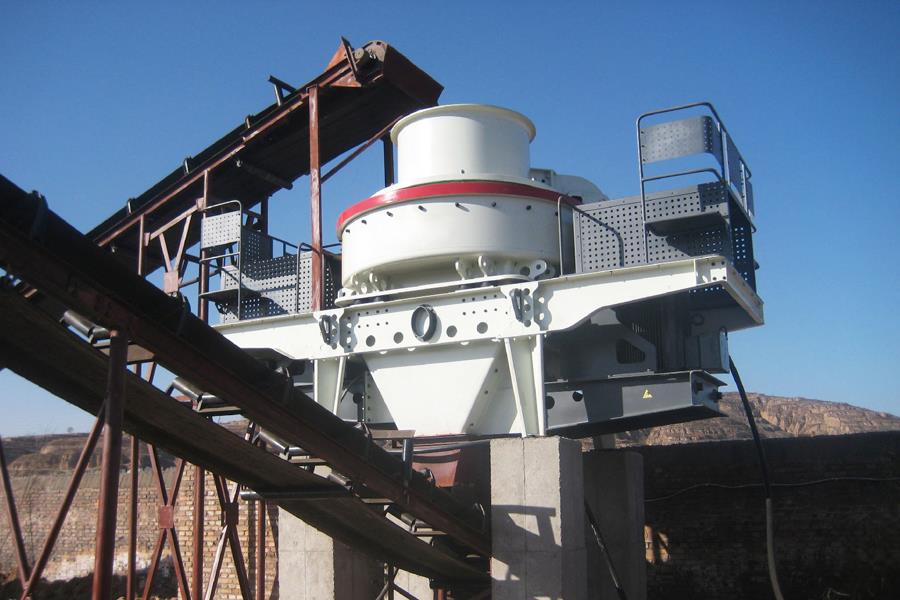
A complete How to calculate total cost of ownership for VSI crusher analysis must consider several distinct cost categories over the equipment's expected life, typically 10‑15 years for a well‑maintained machine. The first component is the capital cost—the purchase price, shipping to Chilean ports such as Valparaíso or Antofagasta, customs duties, and installation. The second component is energy consumption: VSI crushers are power‑intensive, and electricity tariffs in Chile have seen steady increases. The third category is wear parts—rotor tips, anvils, feed tubes, and distributor plates—which for abrasive ores can represent 30‑50% of total operating costs. The fourth component is maintenance labour and scheduled downtime. The fifth category is unplanned downtime costs, including lost production and emergency repairs. Finally, residual value at the end of the crusher's life should be factored in. By quantifying each of these elements, operators can compare different crusher models on a like‑for‑like basis. All cost data in this article are for reference; final figures depend on site‑specific conditions and current market rates.
Energy consumption: a major TCO driver for Chilean operations
Energy consumption is one of the largest variable costs in the How to calculate total cost of ownership for VSI crusher equation, particularly in Chile where industrial electricity tariffs are among the highest in Latin America. A typical VSI crusher processing hard rock at 150‑200 tph consumes between 100‑200 kW under load, depending on rotor speed and feed characteristics. To calculate the annual energy cost, multiply the crusher's average power draw (in kW) by the annual operating hours and the local electricity tariff (in USD/kWh). For a 150 kW crusher running 6,000 hours per year, the annual energy cost can exceed $100,000. Crushers with higher efficiency motors, variable frequency drives, and optimised rotor geometry can reduce this cost by 10‑15%. When comparing crushers, operators should request specific energy consumption data (kWh per tonne) and project this over the expected annual production. All energy figures are estimates; actual consumption varies with feed hardness and rotor speed settings.
Wear parts and maintenance: the hidden recurring cost
Wear parts are often the largest component of the How to calculate total cost of ownership for VSI crusher, particularly for Chilean operations processing hard, abrasive ores. The frequency of rotor tip, anvil, and feed tube replacement depends on the silica content of the feed. For copper ore with high quartz content, rotor tips may need replacement every 300‑500 hours, while softer ores may extend this to 800‑1,200 hours. To calculate this cost, determine the cost of a full set of wear parts, divide by the expected service life in hours, and multiply by the annual operating hours. Additionally, factor in the labour cost for each change‑out and the lost production during the replacement. A premium set of tungsten‑carbide tips may cost 30‑40% more upfront but can deliver 50‑100% longer life, often reducing the cost per tonne. OCP provides a detailed wear parts consumption forecast based on your feed analysis, helping you compare the true cost of different alloy options. All wear life data are estimates; actual performance depends on feed abrasiveness and operating practices.
Downtime costs and availability
Unplanned downtime can account for a significant portion of TCO, particularly in high‑volume operations where every hour of lost production is costly. In the How to calculate total cost of ownership for VSI crusher, operators should estimate the cost of lost production per hour of downtime (throughput in tonnes per hour multiplied by the profit margin per tonne). Then, compare the expected availability of different crusher models—a machine with 92% availability versus 88% can represent a substantial difference in annual production. Factors that influence availability include the ease of wear parts change‑out, the reliability of the drive system, and the quality of the bearing arrangement. Crushers with quick‑change rotor systems, hydraulic lifting devices, and robust bearing designs typically achieve higher availability. OCP recommends reviewing maintenance access and change‑out time during the selection process, as these factors directly impact the How to calculate total cost of ownership for VSI crusher. All availability figures are for reference; actual results depend on maintenance practices and site conditions.
A step‑by‑step TCO calculation model
To apply the How to calculate total cost of ownership for VSI crusher methodology to your Chilean operation, follow this structured approach. First, gather data for each cost category: capital cost (including freight and installation), annual energy consumption (kWh/year multiplied by tariff), annual wear parts cost (cost per set divided by hours of life, multiplied by annual hours), annual maintenance labour cost, and estimated downtime cost (hours of lost production multiplied by the value of that production). Second, project these costs over the expected service life (typically 10‑15 years), applying an appropriate discount rate for present value calculation. Third, add the residual value (scrap or resale) at the end of the life. The result is the total cost of ownership, which can be divided by the estimated total tonnes processed over the life to give a cost per tonne. This figure provides the clearest basis for comparing different crusher models. OCP's engineering team can provide a customised TCO model for your specific site, including all relevant variables and local cost data. All models are for reference; final decisions should be based on verified operational data.
Get your custom TCO analysis and quote today
A comprehensive TCO analysis is the foundation of a sound VSI crusher investment decision. OCP Mechanical Company offers a free, site‑specific How to calculate total cost of ownership for VSI crusher consultation for Chilean operators, covering energy consumption, wear parts life, and maintenance planning. Our 24‑hour online customer service team is ready to answer your questions and provide technical guidance. To receive your personalised TCO analysis and equipment quote, simply click the chat button on our website or complete the enquiry form with your feed specifications and production targets. Our engineers will respond within 24 hours with a detailed proposal, including a TCO projection, equipment recommendations, and a clear price breakdown. All quoted figures and parameters are for reference and subject to final confirmation. OCP's 40‑year track record ensures reliable, cost‑effective VSI crushers and expert support for Chile's mining and aggregate industry. Reach out today and start calculating your true cost of ownership.
-
-
-
How to retrofit an old jaw crusher with hydraulic adjustment
-
Crusher plant power consumption benchmark for limestone 250 tph
-