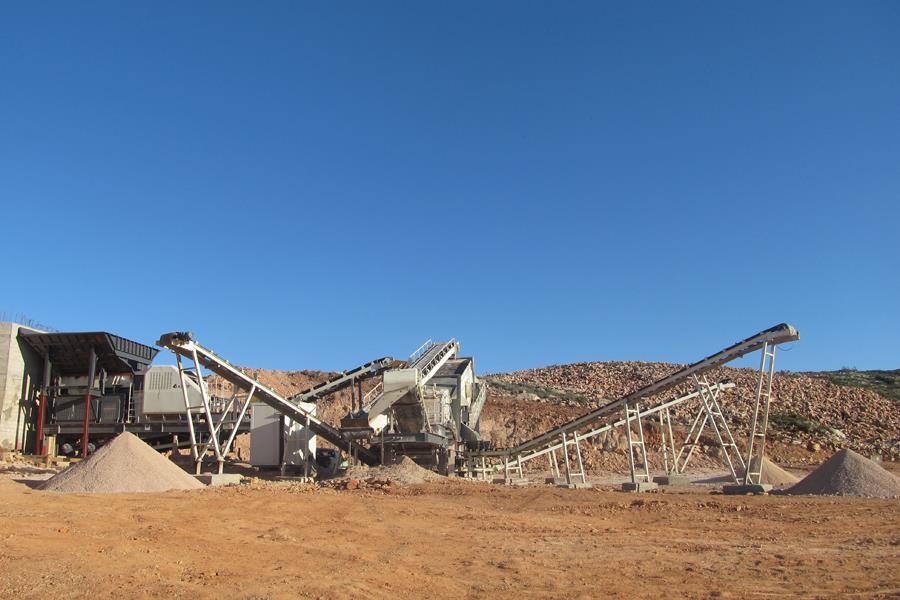
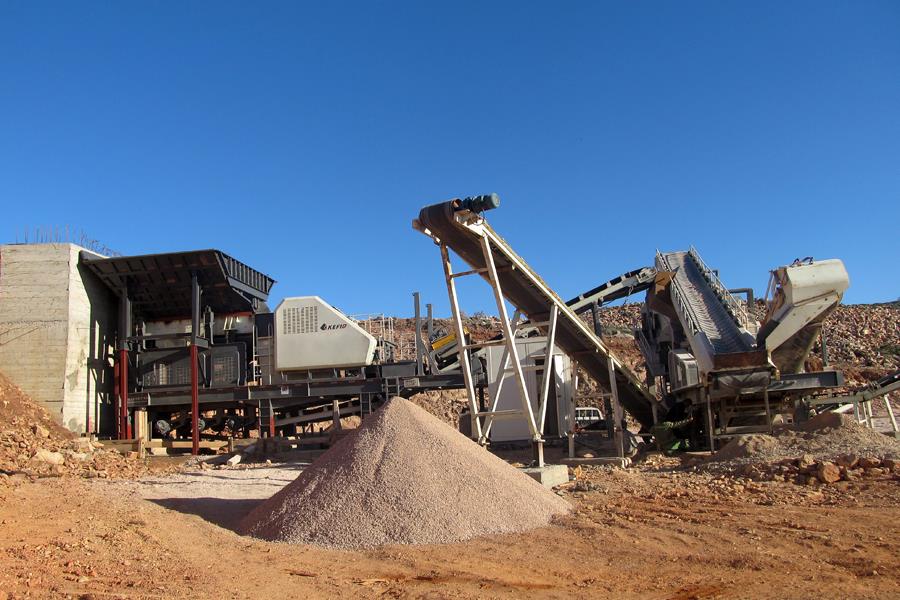
Crusher plant power consumption benchmark for limestone 250 tph
Why power consumption benchmarking matters for Saudi limestone producers
Saudi Arabia's mining and quarrying sector is expanding rapidly under Vision 2030, with the industry targeted to contribute significantly to GDP diversification. As the Kingdom accelerates its infrastructure megaprojects—NEOM, the Red Sea developments, and new urban centers—the demand for limestone aggregates has surged. For quarry operators processing 250 tonnes per hour, power consumption is one of the largest variable operating costs. In an environment where industrial energy tariffs are under continuous review and efficiency is a competitive differentiator, understanding the Crusher plant power consumption benchmark for limestone 250 tph is essential for maintaining profitability. Operators who fail to benchmark their energy performance risk falling behind, as top-quartile operations consistently achieve lower cost per tonne through better energy management. Establishing a reliable benchmark allows plant managers to identify inefficiencies, justify equipment upgrades, and set realistic performance targets for their teams.
What does a typical 250 tph limestone plant consume?
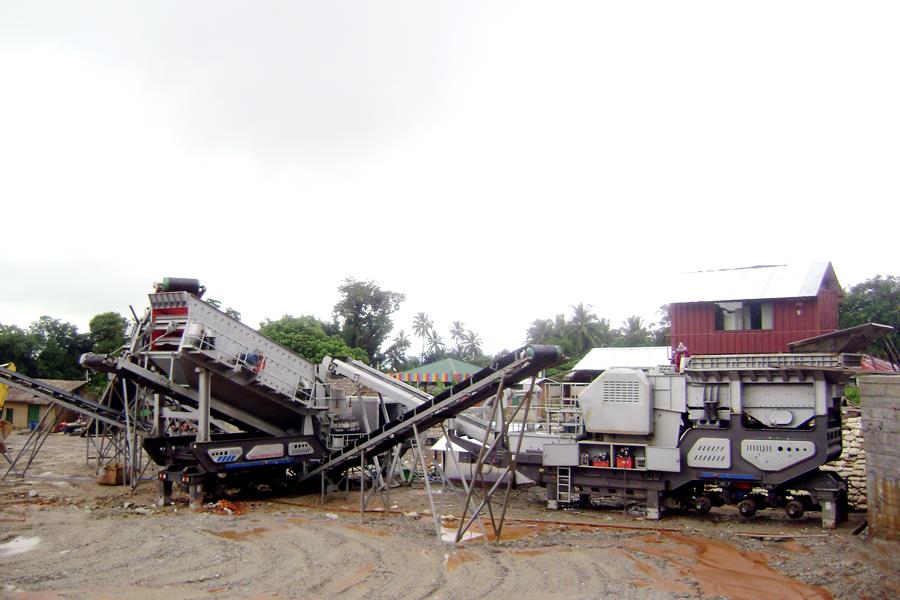
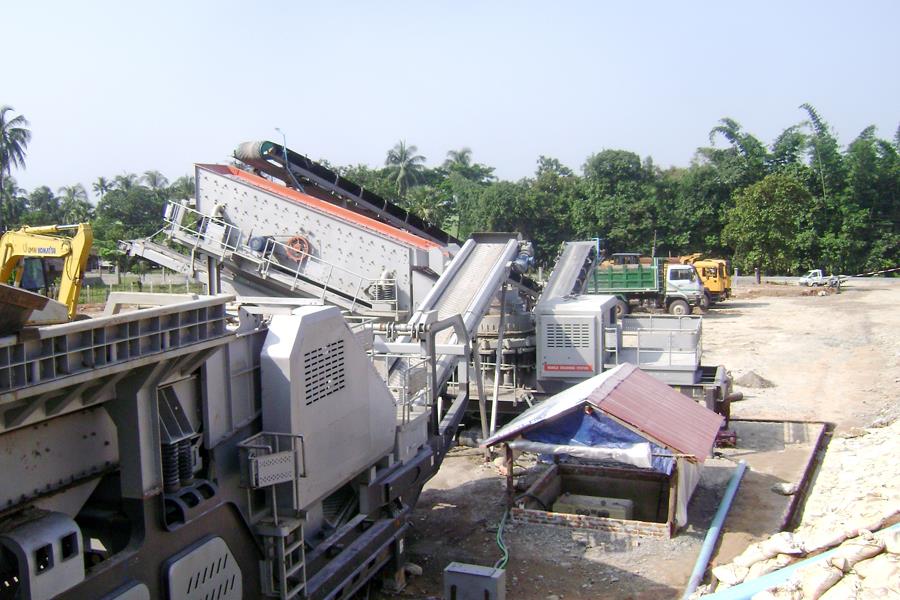
For a medium-sized limestone crushing plant processing 250 tonnes per hour, the total connected power typically ranges from 600 to 1,000 kW, depending on the circuit configuration and the number of crushing stages. A standard three-stage plant—comprising a primary jaw crusher, secondary impact or cone crusher, tertiary impact crusher, screens, and conveyors—will have an installed motor power of approximately 800–900 kW for hard limestone. In terms of specific energy consumption (kWh per tonne), the benchmark for efficient limestone crushing is typically 1.8–2.4 kWh per tonne, depending on the reduction ratio and product specification. A plant with a single-stage impact crusher may achieve lower specific energy consumption, while a plant with a jaw and cone combination may be at the higher end. For a 250 tph plant operating 5,000 hours per year, total annual energy consumption would range from 2.25 to 3.0 million kWh. At Saudi industrial electricity tariffs (approximately SAR 0.18–0.25 per kWh), this translates to annual energy costs of SAR 405,000–750,000. These figures provide a baseline for the Crusher plant power consumption benchmark for limestone 250 tph and allow operators to assess their own performance against industry norms.
Key factors that influence actual power consumption
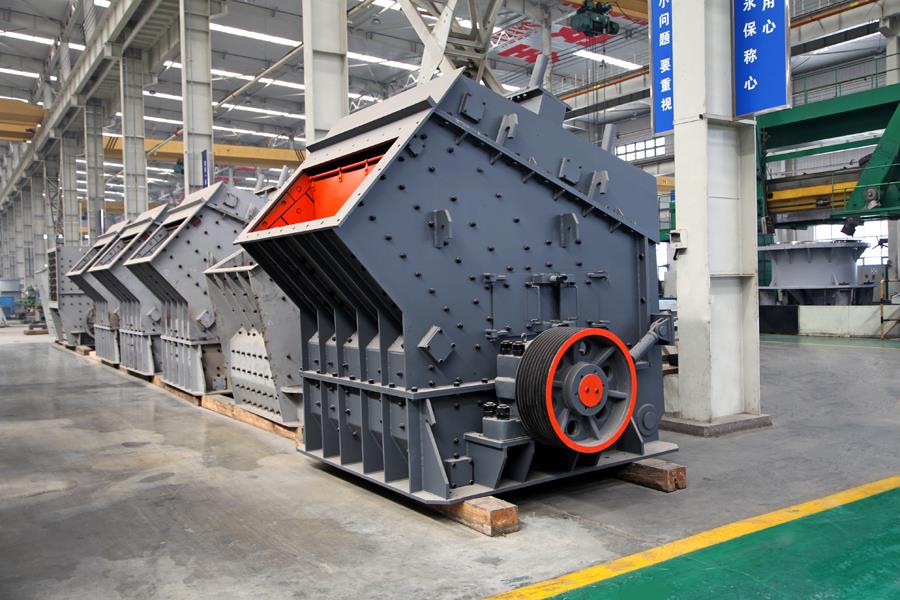
Several factors can cause actual power consumption to deviate from the benchmark. The most significant is the feed size and hardness—limestone with higher silica content or larger top size requires more energy to crush. The desired product size also plays a major role; producing finer aggregates requires more crushing stages and higher energy input. The type of crusher used is another critical factor—impact crushers typically consume more power per tonne than compression crushers for the same reduction, but they achieve a more cubical product. Conveyor configuration and length also contribute to total power consumption, as every additional metre of conveyor belt adds to the load. Additionally, the efficiency of motors and drive systems—standard motors versus premium-efficiency IE3 or IE4 motors—affects the actual power draw. When comparing your plant against the Crusher plant power consumption benchmark for limestone 250 tph, consider each of these variables to determine whether deviations are justified or represent opportunities for improvement. All consumption data are estimates; actual figures depend on site-specific factors and equipment selection.
How to measure and monitor your plant's performance
Effective benchmarking requires consistent, accurate measurement. OCP recommends installing power meters on each major motor—crushers, screens, and conveyors—and logging the data at hourly intervals. Total plant power consumption should be divided by the tonnes processed during the same period to calculate specific energy consumption (kWh/tonne). This metric should be tracked daily, with weekly and monthly averages compared against the benchmark. For Saudi operators, it is particularly useful to track consumption by shift and by product type to identify patterns. If specific energy consumption exceeds the benchmark by more than 10%, investigate possible causes: worn crusher liners, improper feed distribution, or conveyor belt slippage. OCP's remote monitoring systems can automate this data collection, providing real-time dashboards that show performance against the Crusher plant power consumption benchmark for limestone 250 tph and alerting operators when consumption deviates from the expected range. All monitoring recommendations are for reference; actual implementation depends on available resources and automation level.
Strategies to reduce power consumption and improve efficiency
Once you have established your baseline against the Crusher plant power consumption benchmark for limestone 250 tph, several strategies can help you move toward best-in-class performance. The first is ensuring that the crushers are operated at the optimal feed rate—underloading or overloading both reduce efficiency. The second is maintaining the correct closed side setting; a setting that is too tight increases power draw without delivering proportional benefits. The third is implementing variable frequency drives (VFDs) on conveyors and screens, which can reduce energy consumption by matching motor speed to the actual load. The fourth is regular maintenance of crusher components, as worn liners, loose belts, and dirty cooling systems all increase power draw. The fifth is feed preparation—removing fines before the primary crusher can reduce the load on downstream equipment. Many Saudi operators who have implemented these measures have reduced their specific energy consumption by 8–15%, moving from the upper end of the benchmark range to the lower end.
Practical steps for benchmarking and improvement
A structured approach to benchmarking and improvement is essential. Begin by compiling your plant's actual power consumption and production data for the past 12 months. Calculate your specific energy consumption and compare it with the Crusher plant power consumption benchmark for limestone 250 tph. Identify the units with the highest specific consumption and investigate the reasons. For example, a secondary crusher that consistently draws high power may indicate improper setting or worn liners. Develop an action plan to address the biggest opportunities. OCP recommends a three-month implementation cycle, with monthly reviews of progress. Share the benchmark results and improvement targets with your operations and maintenance teams to build ownership. By following these steps, operators can make tangible progress toward more efficient, cost-effective limestone production.
Get your custom power consumption assessment and support
Understanding and improving your plant's power consumption is a proven way to reduce operating costs and enhance competitiveness. OCP Mechanical Company offers a free, site-specific power consumption assessment for the Crusher plant power consumption benchmark for limestone 250 tph, including data collection guidance, benchmark comparison, and improvement recommendations tailored to your Saudi operation. Our 24-hour online customer service team is ready to answer your questions and provide technical guidance. To receive your personalised assessment and equipment quote, simply click the chat button on our website or complete the enquiry form with your plant details and production targets. Our engineers will respond within 24 hours with a comprehensive proposal, including benchmark analysis, recommended upgrades, and a clear price breakdown. All quoted figures and parameters are for reference and subject to final confirmation. OCP's 40-year track record ensures reliable, efficient crushing solutions and expert support for Saudi Arabia's limestone industry. Reach out today and start benchmarking your way to better performance.