
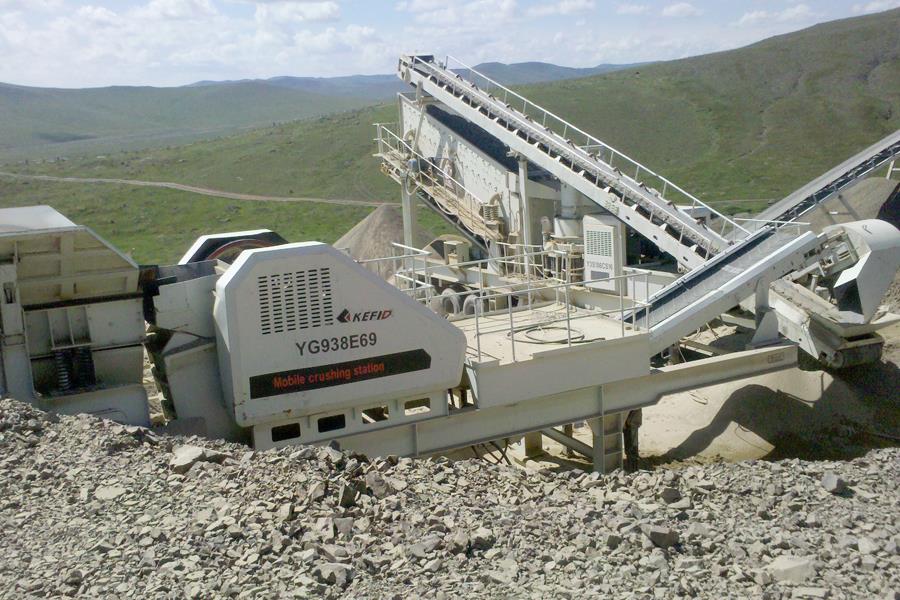
Crusher plant power consumption benchmark for limestone 270 tph
Why a crusher plant power consumption benchmark for limestone 270 tph in Saudi Arabia is essential for your operation
Saudi Arabia's quarrying sector ranks among the largest in the region, with demand for construction aggregates reaching significant levels in 2024. The Kingdom's aggregates market is valued at USD 1.5 billion, driven by rapid urbanization and infrastructure development initiatives that have significantly increased demand for crushed stone and sand. The Saudi aggregates market is poised for robust growth, projected to reach USD 15 billion by 2030 at a compound annual growth rate of 6.5 per cent. For limestone quarry operators supplying this expanding market, power consumption represents one of the largest variable operating costs. A crusher plant processing limestone at 270 tonnes per hour can consume substantial electricity over a year of operation. Understanding the typical crusher plant power consumption benchmark for limestone 270 tph in Saudi Arabia is therefore essential for cost estimation, budget planning, and identifying efficiency improvement opportunities. At OCP Mechanical Company, with over 40 years of manufacturing experience, we supply energy-efficient crushing plants, including our PE Series jaw crushers, HST Series cone crushers, and VSI 6X sand making machines, and we provide transparent operating data to help Saudi operators benchmark their performance and reduce their energy costs.
Typical power consumption ranges for a 270 TPH limestone plant
A complete limestone crushing plant for 270 tonnes per hour typically includes a primary jaw crusher, a secondary impact or cone crusher, a tertiary crusher (if required for sand production), screening stations, and a network of conveyors. The total installed motor power for such a plant typically ranges from 400 to 700 kW, depending on the specific equipment configuration and the level of automation. The actual power draw during operation is typically 70‑85 per cent of the installed capacity, depending on the feed characteristics and the desired product size. Based on field data from similar operations, the typical crusher plant power consumption benchmark for limestone 270 tph in Saudi Arabia is between 2.5 and 4.0 kWh per tonne of product. A plant consuming 3.0 kWh per tonne at 270 tph would draw approximately 810 kW at full load. At an industrial electricity tariff of SAR 0.18‑0.30 per kWh, the energy cost per tonne is SAR 0.54‑1.20, and the annual energy cost for 6,000 operating hours is SAR 1.6‑3.6 million. These figures highlight the importance of monitoring and optimising energy consumption. Our engineering team can conduct a power audit of your plant and provide a detailed comparison with the crusher plant power consumption benchmark for limestone 270 tph in Saudi Arabia to identify savings opportunities.
Factors that influence power consumption in a limestone crushing plant
Several factors affect the crusher plant power consumption benchmark for limestone 270 tph in Saudi Arabia. The feed size is a major factor; larger feed sizes require more energy to crush than a well‑graded feed with a controlled top size. The desired product size also influences power draw; a finer product requires more energy. The hardness of the limestone varies depending on the deposit; harder limestone consumes more energy than softer, more friable material. The circuit configuration—whether the plant is open or closed circuit—affects power consumption, as closed circuit operation typically involves recirculating material, which increases the total energy per tonne. The condition of the wear parts also matters; worn jaw plates, blow bars, or cone liners increase the power draw for the same throughput. Finally, the efficiency of the motors and the drive systems affects the overall energy consumption. By understanding these factors, operators can benchmark their plant against the crusher plant power consumption benchmark for limestone 270 tph in Saudi Arabia and identify areas for improvement.
Optimising the primary crusher for energy efficiency
The primary jaw crusher is typically the largest power consumer in a limestone plant. To achieve the best crusher plant power consumption benchmark for limestone 270 tph in Saudi Arabia, the primary crusher must be operated at its optimal point. The closed side setting (CSS) should be set to achieve the required product size with the minimum power draw. A CSS that is too tight increases the power draw without a proportional increase in throughput; a CSS that is too open may require additional recirculation, increasing the total energy per tonne. The feed to the primary crusher should be consistent and well‑graded, with a maximum size that does not exceed the crusher's capacity. A vibrating grizzly feeder that removes fines before they enter the crusher can also reduce the power draw, as the crusher only processes the material that requires crushing. Our PE Series jaw crushers are designed with energy‑efficient motors and a heavy‑duty flywheel that helps to smooth out power demand, reducing peak loads and improving overall energy efficiency. By optimising the primary crushing stage, operators can achieve a lower overall power consumption.
Energy efficiency improvements in the secondary and tertiary stages
The secondary and tertiary crushing stages also offer opportunities to reduce power consumption. For limestone, impact crushers and cone crushers are commonly used. Impact crushers are generally more energy‑efficient than cone crushers for limestone, as they use impact to break the material, which requires less energy than compression. However, the choice depends on the desired product size and shape. Using a variable frequency drive (VFD) on the crusher motor allows the operator to adjust the speed to match the load, reducing energy consumption during periods of lower demand. The screening equipment also contributes to energy consumption; using high‑efficiency screen media and maintaining the screen tension reduces the load on the motors. By selecting the right equipment for the application and optimising the operating parameters, operators can achieve a power consumption that is at the lower end of the crusher plant power consumption benchmark for limestone 270 tph in Saudi Arabia.
The role of plant design and automation in reducing energy costs
Plant design and automation can significantly affect power consumption. A well‑designed plant layout minimises the number of conveyors and the distance material must travel, reducing the power required for material handling. The use of surge bins and stockpiles can help to decouple the different stages, allowing the plant to operate at a more consistent load, which is more energy‑efficient. Automation systems, such as load‑sensing controls, can adjust the feed rate and the crusher settings in real time, maintaining the crusher at its most efficient operating point. This reduces energy waste from over‑crushing or under‑feeding. In Saudi Arabia, where energy costs are rising, investing in automation can provide a rapid return. Our control systems provide real‑time data on power consumption, allowing operators to monitor the plant's performance against the crusher plant power consumption benchmark for limestone 270 tph in Saudi Arabia and make adjustments to improve efficiency.
Sample power consumption benchmark data (For reference only)
| Component | Typical Power Draw (kW) | Typical Energy (kWh/t) |
|---|---|---|
| Primary jaw crusher | 200‑300 | 1.0‑1.5 * |
| Secondary impact crusher | 150‑250 | 0.7‑1.2 * |
| Tertiary crusher (if used) | 100‑150 | 0.5‑0.8 * |
| Screens and conveyors | 50‑100 | 0.3‑0.5 * |
| Total plant | 500‑800 | 2.5‑4.0 * |
All figures and recommendations are for reference only and are continuously updated. For the latest parameters, please consult our online customer service. Prices are for reference only and are subject to change based on configuration and market conditions. Actual results may vary depending on feed characteristics, operating conditions, and maintenance practices. OCP Mechanical reserves the right to update technical data and pricing without prior notice.
Why OCP Mechanical is your partner for energy‑efficient crushing solutions in Saudi Arabia
With over 40 years of manufacturing experience, OCP Mechanical combines engineering excellence with a deep understanding of the Saudi quarrying sector. We are a factory‑direct supplier, meaning you avoid the markups charged by dealers and intermediaries. Our crushing plants are built with high‑quality, energy‑efficient components, and we provide comprehensive after‑sales support, including spare parts availability, technical assistance, and on‑site training. Our logistics team has extensive experience shipping to Saudi Arabia, ensuring timely delivery of equipment and parts. We are committed to helping you achieve the best possible energy efficiency in your limestone crushing operation.
Conclusion – Benchmark your energy consumption and reduce your operating costs
Understanding your plant's power consumption against the crusher plant power consumption benchmark for limestone 270 tph in Saudi Arabia is the first step towards reducing your energy costs and improving your profitability. By optimising your crusher settings, selecting the right equipment, and implementing automation, you can achieve a lower cost per tonne and gain a competitive advantage in the Saudi market. OCP Mechanical offers the equipment, expertise, and factory‑direct pricing you need to succeed. Our online customer service team is available 24/7 to provide free consultation, technical data, and a customised quotation for your operation. Click the chat button now – let us help you benchmark your crusher plant power consumption and build a more efficient, profitable limestone crushing operation in Saudi Arabia.
-
-
-
-
Sand washing plant sludge dewatering options for zero discharge
-
How to prevent rust on crusher components in humid tropical climate



