
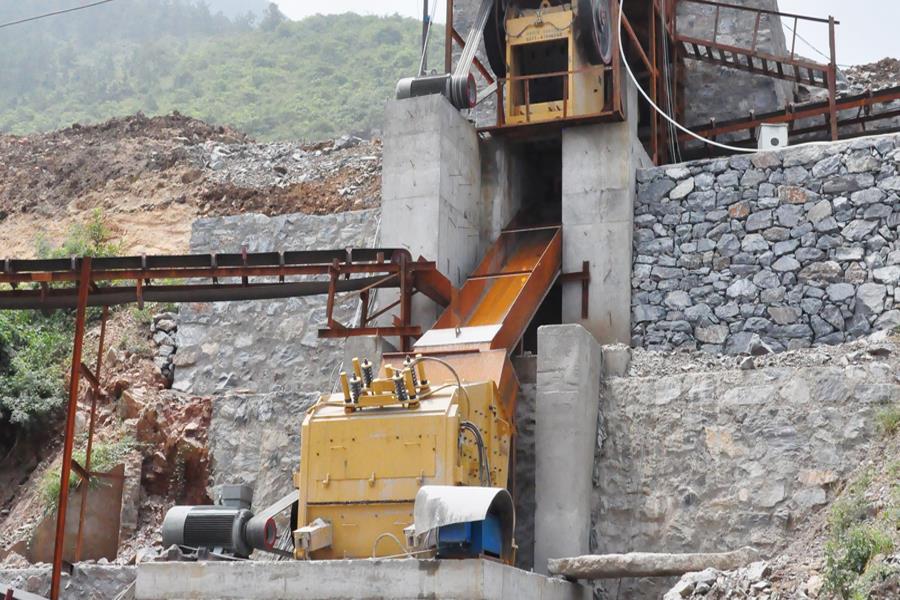
How to choose a hammer crusher for gypsum 50 tph – A practical selection guide for Thai quarry and mining operators
Why knowing how to choose a hammer crusher for gypsum 50 tph is essential for Thai operators
Thailand's gypsum market is a significant and growing sector within the country's non-metallic minerals industry. The gypsum market size in Thailand stood at approximately US477millionin2025andisanticipatedtoreachavaluationofnearlyUS 622 million, expanding at an annualized rate of 3.5 per cent. The country is home to major gypsum deposits, including the Nong Bua Gypsum Mine in Nakhon Sawan, which has a capacity of 200,000 tonnes per year and reserves exceeding 15 million tonnes. The Thailand non-metallic mineral deposit market is estimated to grow at a CAGR of 5.9 per cent during the forecast period 2025‑2031 and is expected to reach US$ 7,205 million by 2031. For Thai quarry operators and mineral processors, the demand for gypsum—used extensively in cement production, gypsum board manufacturing, and agriculture—is rising steadily. Selecting the right hammer crusher for a 50 tonnes per hour gypsum operation is a critical decision that affects product quality, operating costs, and plant reliability. Understanding how to choose a hammer crusher for gypsum 50 tph is therefore essential for Thai operators who want to capitalise on this growing market while maintaining efficient, cost‑effective production. At OCP Mechanical Company, with over 40 years of manufacturing experience, we supply hammer crushers engineered for gypsum applications, and we provide practical guidance to help Thai operators select the optimal configuration for their specific material and production requirements.
Understanding gypsum and its crushing characteristics
Gypsum is a soft sulfate mineral with a Mohs hardness of 2, making it one of the easiest materials to crush. However, its low density and tendency to produce fine dust require careful equipment selection. Gypsum typically contains inherent moisture, which can range from 2‑10 per cent depending on the deposit and the drying process. This moisture can cause the material to become sticky and cause build‑up in the crusher if the equipment is not properly designed. The feed size to a hammer crusher for a 50 TPH operation typically ranges from 50‑200 mm, and the desired product size is often 0‑10 mm or 0‑20 mm for use in cement or gypsum board production. Because gypsum is soft and friable, it fractures easily under impact, making the hammer crusher an ideal choice. The key to selecting the right hammer crusher is to match the machine's capacity, rotor design, and hammer configuration to the specific characteristics of the gypsum being processed. When you evaluate how to choose a hammer crusher for gypsum 50 tph, you need to consider the feed size, the moisture content, the desired product size, and the abrasiveness of any impurities. Our P Series hammer crushers are designed with adjustable hammer configurations and screen bars to accommodate the varying feed conditions typical of Thai gypsum deposits.
Key factors in selecting a hammer crusher for gypsum
Several critical factors must be considered when determining how to choose a hammer crusher for gypsum 50 tph. The first is the rotor diameter and length, which determines the capacity and the reduction ratio. For a 50 TPH gypsum application, a rotor with a diameter of 800‑1,000 mm and a length of 600‑800 mm is typically suitable. The second factor is the hammer configuration – the number of hammers, their weight, and their arrangement on the rotor. Heavier hammers provide more impact energy and are suitable for larger feed sizes, while lighter hammers are better for finer products. The third factor is the screen bar opening, which controls the product size. For gypsum, a screen bar opening of 10‑20 mm is common. The fourth factor is the drive system; a variable frequency drive allows the operator to adjust the rotor speed to match the feed conditions, optimising energy consumption and product quality. The fifth factor is the material of construction; the crusher should be built with wear‑resistant materials to handle any abrasive impurities in the gypsum. Our team can analyse your specific feed and recommend the optimal configuration, ensuring that your how to choose a hammer crusher for gypsum 50 tph decision is based on reliable engineering data.
Moisture management in gypsum crushing
Moisture is a critical consideration in gypsum crushing. As the material is processed, the heat generated by the hammer impacts can cause the moisture to evaporate, leading to dust emissions and potential build‑up in the crusher. In some cases, the gypsum may also contain clay or other sticky impurities that can cause blinding of the screen bars and build‑up on the hammers and housing. To address these issues, a hammer crusher for gypsum should be equipped with a robust cleaning system, such as a self‑cleaning screen bar design or an air‑swept system that removes fines and moisture from the crushing chamber. In Thailand's tropical climate, where humidity is high, these features are particularly important. The crusher should also be designed with adequate access for cleaning and maintenance. When you are evaluating how to choose a hammer crusher for gypsum 50 tph, consider whether the crusher has features to manage moisture and prevent build‑up. Our P Series hammer crushers are available with optional moisture‑management systems, including heated housings and air‑swept designs, to ensure reliable operation in humid conditions.
Abrasion and wear part selection
While gypsum itself is not highly abrasive, the presence of impurities such as quartz, silica, or clay can accelerate wear on the hammers and screen bars. In Thai gypsum deposits, the impurity content can vary significantly, and it is important to select the appropriate wear materials. For applications with low impurity content, standard manganese steel hammers are typically sufficient. For applications with higher impurity content, high‑chrome or alloy steel hammers may be needed to extend wear life. The screen bars, which are subject to abrasion from the material passing through them, should also be made from wear‑resistant material. The hammer crusher should be designed to allow for easy replacement of hammers and screen bars, minimising downtime. When you are learning how to choose a hammer crusher for gypsum 50 tph, the selection of wear materials should be based on a laboratory analysis of your gypsum feed. Our engineering team can provide guidance on the optimal wear materials for your specific gypsum, ensuring that you achieve the lowest cost per tonne.
Thai operating environment – climate, power, and logistics
Thailand's tropical climate, with high temperatures and humidity, and the prevalence of the rainy season, can affect the performance of a hammer crusher. The electrical components must be protected against moisture, and the crusher should be designed to handle the thermal expansion of components in high temperatures. The power supply in Thailand is generally stable at 380V/50Hz, but voltage fluctuations can occur in remote areas; we recommend using a voltage stabiliser or variable frequency drive to protect the motor. Logistics are well‑developed, with major ports in Bangkok and Laem Chabang handling bulk cargo efficiently. Our logistics team has extensive experience shipping to Thailand, ensuring timely delivery of equipment and parts. We also provide on‑site installation supervision and commissioning support to ensure your crusher is operational quickly. By considering these environmental and logistical factors, you can ensure that your selection of how to choose a hammer crusher for gypsum 50 tph is appropriate for the Thai operating conditions.
Sample hammer crusher selection parameters (For reference only)
| Parameter | Recommended Value |
|---|---|
| Capacity | 45‑55 TPH * |
| Rotor diameter | 800‑1,000 mm * |
| Rotor length | 600‑800 mm * |
| Hammer material | Manganese or high‑chrome * |
| Screen bar opening | 10‑20 mm * |
| Motor power | 75‑110 kW * |
| Moisture management | Optional air‑swept or heated system * |
All figures and recommendations are for reference only and are continuously updated. For the latest parameters, please consult our online customer service. Prices are for reference only and are subject to change based on configuration and market conditions. Actual results may vary depending on feed characteristics, operating conditions, and maintenance practices. OCP Mechanical reserves the right to update technical data and pricing without prior notice.
Why OCP Mechanical is your partner for hammer crusher solutions in Thailand
With over 40 years of manufacturing experience, OCP Mechanical combines engineering excellence with a deep understanding of the Thai quarrying sector. We are a factory‑direct supplier, meaning you avoid the markups charged by dealers and intermediaries. Our hammer crushers are built with high‑quality components and are designed for reliable performance in the most demanding applications. We provide comprehensive after‑sales support, including spare parts availability, technical assistance, and on‑site training. Our logistics team has extensive experience shipping to Thailand, ensuring timely delivery of equipment and parts. We are committed to helping you achieve efficient, reliable gypsum crushing that supports your business growth in Thailand.
Conclusion – Select the right hammer crusher and meet Thailand's growing gypsum demand
Thailand's gypsum market is expanding, and the demand for efficient, reliable crushing equipment is growing with it. By understanding the key selection criteria—rotor design, hammer configuration, moisture management, and wear materials—you can choose a hammer crusher that delivers consistent 50 TPH output with minimal operating costs. OCP Mechanical offers the equipment, expertise, and factory‑direct pricing you need to succeed. Our online customer service team is available 24/7 to provide free consultation, technical data, and a customised quotation for your operation. Click the chat button now – let us help you with how to choose a hammer crusher for gypsum 50 tph and build a more profitable gypsum processing operation in Thailand.
-
-
-
Sand washing plant sludge dewatering options for zero discharge
-
How to prevent rust on crusher components in humid tropical climate
-
Jaw crusher oil temperature alarm setting guide for hot climate



