
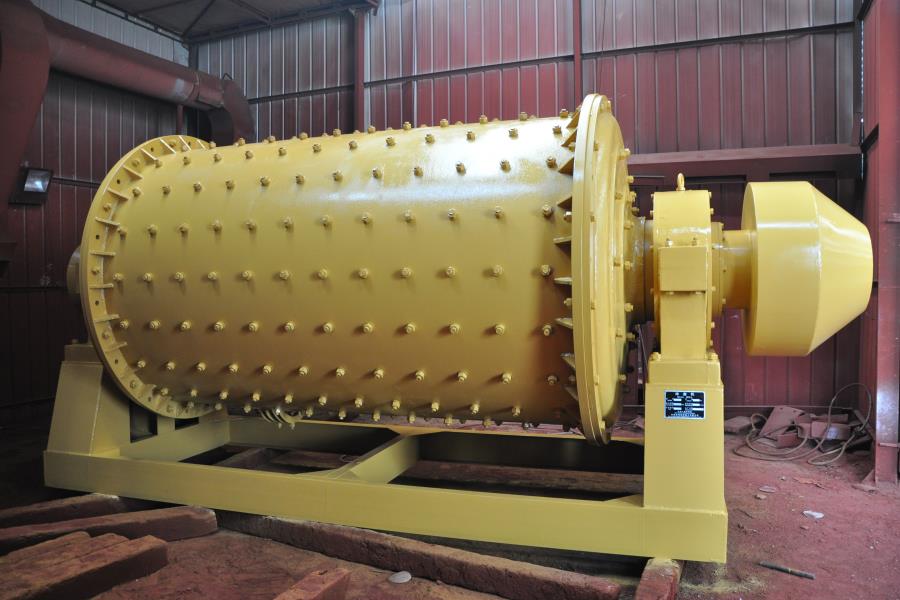
Sand washing plant sludge dewatering options for zero discharge
Why exploring sand washing plant sludge dewatering options for zero discharge is essential for Vietnamese operators
Vietnam's construction sector is experiencing rapid expansion, with the aggregates market reaching USD 2.92 billion in 2025 and projected to grow to USD 3.73 billion by 2034. This growth is driven by major infrastructure projects including expressways, airports, and urban developments. However, this boom has created significant pressure on material supply chains. Sand prices in some localities have risen by up to 45 per cent year-on-year, with certain areas nearing VNĐ1 million (USD 38) per cubic metre. At the same time, Vietnamese environmental regulations are becoming increasingly stringent. The new national technical standard on industrial wastewater, QCVN 40:2025/BTNMT, came into effect in September 2025, requiring all industrial facilities to meet strict permissible limits for pollution parameters. For sand washing plant operators, the combination of high water costs and tightening discharge limits is making effective sludge dewatering a business imperative. Achieving zero discharge—or near-zero discharge—is not just about environmental compliance; it is about reducing water consumption, lowering operating costs, and protecting the social license to operate. Understanding the available sand washing plant sludge dewatering options for zero discharge is therefore essential for Vietnamese operators who want to stay competitive and compliant in a rapidly evolving regulatory landscape. At OCP Mechanical Company, with over 40 years of manufacturing experience, we supply complete sand washing and water treatment systems, including our P Series dewatering equipment, and we provide practical guidance to help Vietnamese operators select and implement the most effective sludge dewatering solution for their specific operation.
Understanding the sludge challenge in sand washing plants
Sand washing plants generate a continuous stream of slurry containing fine particles—silt, clay, and ultrafine sand—that have been washed from the feed material. The solids concentration in this slurry typically ranges from 5‑15 per cent by weight, depending on the feed characteristics and the washing process. If this slurry is discharged to a settling pond, it can take days or even weeks for the solids to settle, and the pond requires regular cleaning, which is costly and generates a wet, difficult-to-handle sludge. The alternative is mechanical dewatering, which separates the solids from the water and produces a drier, more manageable cake. The choice of dewatering technology determines the final solids content, the clarity of the recovered water, and the operating costs. When you evaluate sand washing plant sludge dewatering options for zero discharge, the goal is to select a system that achieves a high solids concentration in the cake, a clear water overflow that can be reused, and a low overall operating cost that fits within the plant's budget. The main options are filter presses, belt filter presses, centrifuges, and thickening systems.
Filter presses – the high-performance option for zero discharge
Filter presses are widely regarded as the most effective technology for achieving zero discharge in sand washing applications. A filter press uses high pressure to squeeze water from the sludge, producing a filter cake with a solids content of 60‑80 per cent. The filtrate is typically clear and can be returned to the washing circuit. The press operates in batches, with a cycle time of 30‑90 minutes, depending on the sludge characteristics and the press size. The cake produced is dry enough to be handled with standard earthmoving equipment and can be used for landfill cover, backfill, or even as a low-grade construction material. However, filter presses require significant capital investment and have a high operating cost due to the energy required for pumping and the labour required for cleaning. For a 50‑70 TPH sand washing plant, a filter press with a plate area of 50‑100 square metres is typically required. In the context of sand washing plant sludge dewatering options for zero discharge, the filter press is the benchmark technology for achieving the highest solids content and the clearest water, making it the preferred choice for operations that must meet the strictest discharge limits and water reuse requirements.
Belt filter presses – continuous operation with lower capital cost
Belt filter presses offer a continuous dewatering solution that is well-suited to medium-to-large sand washing operations. The sludge is fed onto a porous belt, which passes over a series of rollers that apply increasing pressure to squeeze out the water. The resulting cake has a solids content of 30‑50 per cent, which is lower than a filter press but still manageable. The filtrate is typically clear enough for reuse. The belt filter press has lower capital cost than a filter press and is simpler to operate, with lower labour requirements. However, it has a higher operating cost due to the need for belt washing and replacement, and it is less effective at handling sludges with very high clay content. In the sand washing plant sludge dewatering options for zero discharge comparison, the belt filter press offers a good balance of performance and cost for operations where the sludge is relatively free-draining and where a continuous operation is preferred.
Centrifuges – high-speed separation for fine solids
Decanter centrifuges use high-speed rotation to separate solids from liquid based on density. They are effective at handling sludges with a high proportion of fine particles, and they can achieve a solids content of 50‑65 per cent in the cake. The centrifuge operates continuously, with a relatively small footprint compared to a filter press. However, centrifuges are more expensive to maintain than other options, as the high-speed rotating components are subject to wear and require regular servicing. They are also more sensitive to variations in feed solids concentration, which can affect performance. In a sand washing plant sludge dewatering options for zero discharge assessment, centrifuges are best suited to operations where space is limited and where the sludge has a high fines content, but they require careful operation and maintenance to achieve consistent performance.
Thickeners and settling ponds – low-cost but limited for zero discharge
Thickeners and settling ponds are the simplest and lowest-cost dewatering options. A thickener is a circular tank with a rake mechanism that concentrates the solids, producing an underflow with a solids content of 30‑50 per cent and an overflow that is clear enough for reuse. Settling ponds are even simpler—they rely on gravity to allow the solids to settle over time. However, neither option can achieve zero discharge on its own, as they still produce a wet sludge that requires further handling. They are typically used as a pre-treatment step ahead of a filter press or centrifuge, to reduce the volume of sludge that must be mechanically dewatered. In the sand washing plant sludge dewatering options for zero discharge context, thickeners and ponds are best seen as part of an integrated system, rather than a standalone solution.
Making the right choice for your Vietnamese operation
The choice of dewatering technology depends on several factors: the characteristics of the sludge (clay content, particle size distribution), the required solids content for the cake, the available space, the capital budget, and the operating cost constraints. For a typical Vietnamese sand washing plant, a combination of a thickener and a filter press is often the most effective approach to achieve zero discharge. The thickener reduces the volume of sludge and provides a consistent feed to the filter press, which then produces a dry cake and clear water for reuse. This approach achieves a water recovery rate of over 95 per cent and reduces the plant's fresh water consumption to a minimum. For smaller operations, a belt filter press may offer a more cost-effective solution. Our engineering team can conduct a sludge characterisation study and recommend the optimal dewatering solution for your specific operation, helping you achieve sand washing plant sludge dewatering options for zero discharge that meets your compliance and cost objectives.
Sample dewatering technology comparison (For reference only)
| Technology | Cake Solids (%) | Water Clarity | Capital Cost | Operating Cost | Suitability |
|---|---|---|---|---|---|
| Filter press | 60‑80 | Excellent | High | Moderate | High clay content, strict discharge limits |
| Belt filter press | 30‑50 | Good | Moderate | Moderate | Free-draining sludge, continuous operation |
| Centrifuge | 50‑65 | Good | High | High | Fine solids, space-limited sites |
| Thickener + pond | 30‑50 | Variable | Low | Low | Pre-treatment, not standalone |
All figures and recommendations are for reference only and are continuously updated. For the latest parameters, please consult our online customer service. Prices are for reference only and are subject to change based on configuration and market conditions. Actual results may vary depending on feed characteristics, operating conditions, and maintenance practices. OCP Mechanical reserves the right to update technical data and pricing without prior notice.
Why OCP Mechanical is your partner for zero discharge solutions in Vietnam
With over 40 years of manufacturing experience, OCP Mechanical combines engineering excellence with a deep understanding of the Vietnamese market. We are a factory-direct supplier, meaning you avoid the markups charged by dealers and intermediaries. Our P Series sand washing and dewatering systems are built with high-quality components and are designed for reliable operation in the most demanding applications. We provide comprehensive after-sales support, including spare parts availability, technical assistance, and on-site training. Our logistics team has extensive experience shipping to Vietnam, ensuring timely delivery of equipment and parts. We are committed to helping you achieve zero discharge and meet the evolving regulatory requirements in Vietnam.
Conclusion – Choose the right dewatering solution and achieve zero discharge
Achieving zero discharge in a sand washing plant is an achievable goal with the right dewatering technology. By understanding the options—filter presses, belt filter presses, centrifuges, and thickeners—and selecting the system that best matches your sludge characteristics, space, and budget, you can reduce fresh water consumption, minimise waste disposal, and meet environmental regulations. OCP Mechanical offers the equipment, expertise, and factory-direct pricing you need to succeed. Our online customer service team is available 24/7 to provide free consultation, technical data, and a customised quotation for your operation. Click the chat button now – let us help you explore the sand washing plant sludge dewatering options for zero discharge and build a more sustainable, compliant sand washing operation in Vietnam.
-
How to prevent rust on crusher components in humid tropical climate
-
Jaw crusher oil temperature alarm setting guide for hot climate
-
-
-



