
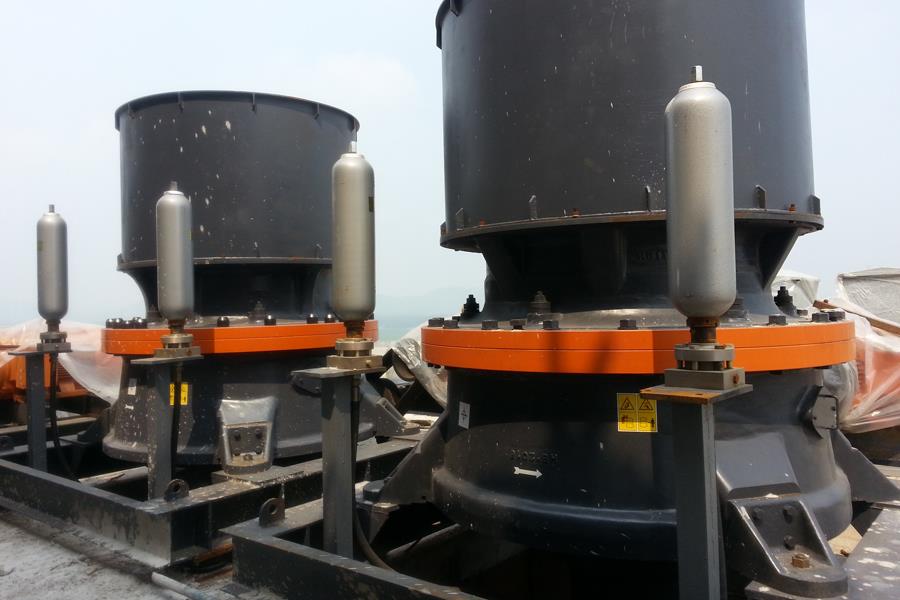
How to prevent rust on crusher components in humid tropical climate
Why learning how to prevent rust on crusher components in humid tropical climate is critical for Indonesian operations
Indonesia's tropical climate presents one of the most challenging environments for crushing equipment anywhere in the world. With relative humidity frequently exceeding 80 per cent, high ambient temperatures, and heavy rainfall during the monsoon season, crusher components are under constant attack from moisture and the corrosion it brings. For quarry and mining operators across Sumatra, Java, Kalimantan, and the islands, rust is not just an aesthetic issue—it is a significant operational threat that can lead to premature component failure, increased maintenance costs, and unplanned downtime. A jaw crusher's toggle plates, a cone crusher's eccentric bushing, or a VSI crusher's rotor assembly can all be compromised if proper rust prevention measures are not in place. Understanding how to prevent rust on crusher components in humid tropical climate is therefore essential for Indonesian operators who want to protect their equipment investment, maintain production reliability, and reduce operating costs over the long term. At OCP Mechanical Company, with over 40 years of manufacturing experience, we supply crushers engineered with corrosion-resistant materials and protective finishes, and we provide practical guidance to help Indonesian operators implement effective rust prevention strategies in their operations.
Understanding the corrosion mechanisms in tropical environments
To effectively prevent rust, it is important to understand how it develops in tropical conditions. Corrosion occurs when moisture and oxygen react with the surface of steel components, forming iron oxide. In Indonesia's high-humidity environment, the moisture layer on metal surfaces is continuous, accelerating the electrochemical reaction. The presence of salt—particularly in coastal areas—further accelerates corrosion through the formation of chloride ions. Temperature variations, from hot days to cooler nights, cause condensation to form on metal surfaces, adding an additional moisture source. In many quarries, the combination of high humidity and airborne dust also creates an abrasive slurry that can wear away protective coatings, exposing fresh steel to moisture. This is why a simple, one-size-fits-all approach to rust prevention is rarely effective. When you learn how to prevent rust on crusher components in humid tropical climate, you must understand that it requires a multi-layered approach that addresses both the environment and the equipment. Our P Series crushers are finished with high-quality marine-grade paints and anti-corrosion treatments that are specifically designed to withstand Indonesia's demanding conditions, providing a robust first line of defence against rust.
Protective coatings and surface treatments
The first and most important strategy in how to prevent rust on crusher components in humid tropical climate is the application of high-quality protective coatings. Epoxy paints and polyurethane coatings provide a tough, durable barrier against moisture and chemicals. For critical components such as the crusher frame, the paint system should include a primer, an intermediate coat, and a topcoat, with each layer applied to the correct thickness. In coastal areas of Indonesia, a zinc-rich primer provides cathodic protection, creating a sacrificial layer that protects the steel even if the coating is scratched. For components that are subject to high wear, such as the jaw plates and cone liners, an oil-based rust inhibitor can be applied during storage and transport. When a component is repaired or rebuilt, it should be repainted using the same high-quality system. Our manufacturing process for all crushers includes a multi-stage painting process using marine-grade coatings that are tested to withstand salt spray and high humidity, ensuring that your crusher arrives at the site in peak condition.
Crusher component material selection for corrosion resistance
One of the most effective ways to prevent rust is to select materials that are inherently more corrosion-resistant. For critical components such as the toggle plate, the eccentric shaft, and the bearings, choosing materials with a higher chromium or nickel content can significantly reduce the risk of rust. For example, the use of stainless steel or a chrome-plated finish for components that are difficult to access for routine maintenance can extend the service life and reduce the frequency of inspections. In areas where saltwater exposure is a risk, such as quarries near the coast in Sumatra or Java, using corrosion-resistant alloys in the crusher's structural components is a prudent measure. When you are planning how to prevent rust on crusher components in humid tropical climate, the choice of materials should be part of the equipment specification. Our HST Series and HP Series cone crushers are available with a range of corrosion-resistant options, including ceramic-coated liners and stainless steel fasteners, to provide the best possible protection in tropical environments.
Daily and weekly maintenance practices
Routine maintenance is the second pillar of an effective rust prevention program. In Indonesia's humid climate, regular inspection and cleaning are essential. The crusher should be inspected daily for signs of rust on exposed surfaces, particularly on the frame, the adjustment mechanism, and the electric motor. Any areas where the paint has been scratched or worn should be cleaned and re-coated with a rust inhibitor and touch-up paint. The oil and grease lubrication points should be checked and replenished regularly, as a thin film of oil provides a moisture barrier. On a weekly basis, the crusher should be washed with a high-pressure cleaner to remove dust and debris that can trap moisture against the metal. After washing, the crusher should be dried thoroughly and any exposed metal surfaces should be coated with a rust inhibitor. In Indonesia's rainy season, more frequent cleaning may be required. By implementing these routine maintenance practices, operators can extend the life of the crusher's protective coatings and prevent rust from taking hold. This is a practical aspect of how to prevent rust on crusher components in humid tropical climate that every operator can implement.
Environmental controls and shelter
Another effective strategy in how to prevent rust on crusher components in humid tropical climate is to reduce the exposure of the crusher to moisture through environmental controls. Where possible, installing a shelter or a roof over the crusher can protect it from direct rain and reduce the moisture level in the surrounding air. While this is not always practical in a quarry environment, a simple canopy can make a significant difference. For mobile crushers that are moved between sites, protecting the equipment with a tarpaulin during the rainy season is a simple but effective measure. The use of dehumidifiers in the control room and the maintenance shed can also help to protect the electrical components and the stored spare parts. In Indonesia, where the wet season can be prolonged, these environmental controls can significantly reduce the rate of corrosion.
Storage and preservation during downtime
When a crusher is not in use for extended periods—during maintenance, site shutdowns, or the rainy season—it is particularly vulnerable to rust. Understanding how to prevent rust on crusher components in humid tropical climate includes proper storage and preservation procedures. Before a period of downtime, the crusher should be cleaned thoroughly and all moving parts should be coated with a rust inhibitor. The lubrication system should be operated to circulate fresh oil and ensure that all internal surfaces are coated. The crusher should be covered with a waterproof tarpaulin or stored in a dry area. Electrical components should be protected from moisture by using desiccant packets or silica gel. Regular inspections should be conducted during the downtime period, and any signs of rust should be addressed immediately. By following these storage and preservation procedures, operators can ensure that the crusher is ready for operation when it is needed.
Sample rust prevention checklist (For reference only)
| Action | Frequency |
|---|---|
| Inspect for rust on exposed surfaces | Daily |
| Recoat scratched paint with rust inhibitor | As needed |
| Wash crusher with high-pressure cleaner | Weekly |
| Apply rust inhibitor to exposed metal | After washing |
| Lubricate bearings and joints | Weekly |
| Check and replenish oil and grease | Weekly |
| Check and refill desiccant in electrical panels | Monthly |
| Inspect and replace damaged seals | As needed |
All figures and recommendations are for reference only and are continuously updated. For the latest parameters, please consult our online customer service. Prices are for reference only and are subject to change based on configuration and market conditions. Actual results may vary depending on feed characteristics, operating conditions, and maintenance practices. OCP Mechanical reserves the right to update technical data and pricing without prior notice.
Why OCP Mechanical is your partner for corrosion-resistant crushing solutions in Indonesia
With over 40 years of manufacturing experience, OCP Mechanical combines engineering excellence with a deep understanding of the Indonesian mining and quarrying sectors. We are a factory-direct supplier, meaning you avoid the markups charged by dealers and intermediaries. Our crushers are engineered with corrosion-resistant materials and protective finishes specifically designed to withstand Indonesia's challenging climate. We provide comprehensive after-sales support, including spare parts availability, technical assistance, and on-site training. Our logistics team has extensive experience shipping to Indonesia, ensuring timely delivery of equipment and parts. We are committed to helping you protect your crusher investment and achieve reliable, long-lasting performance.
Conclusion – Implement these strategies and protect your crusher from rust
Rust is a constant threat to crusher components in Indonesia's humid tropical climate, but it is a threat that can be managed effectively. By using high-quality protective coatings, selecting corrosion-resistant materials, performing regular maintenance, implementing environmental controls, and following proper storage procedures, you can significantly reduce the risk of rust and extend the service life of your equipment. OCP Mechanical offers the equipment, expertise, and factory-direct pricing you need to succeed. Our online customer service team is available 24/7 to provide free consultation, technical data, and a customised quotation for your operation. Click the chat button now – let us help you implement the best practices for how to prevent rust on crusher components in humid tropical climate and build a more reliable, profitable operation in Indonesia.
-
Jaw crusher oil temperature alarm setting guide for hot climate
-
-
-
-
How to reduce recirculating load in 3-stage crushing circuit



