
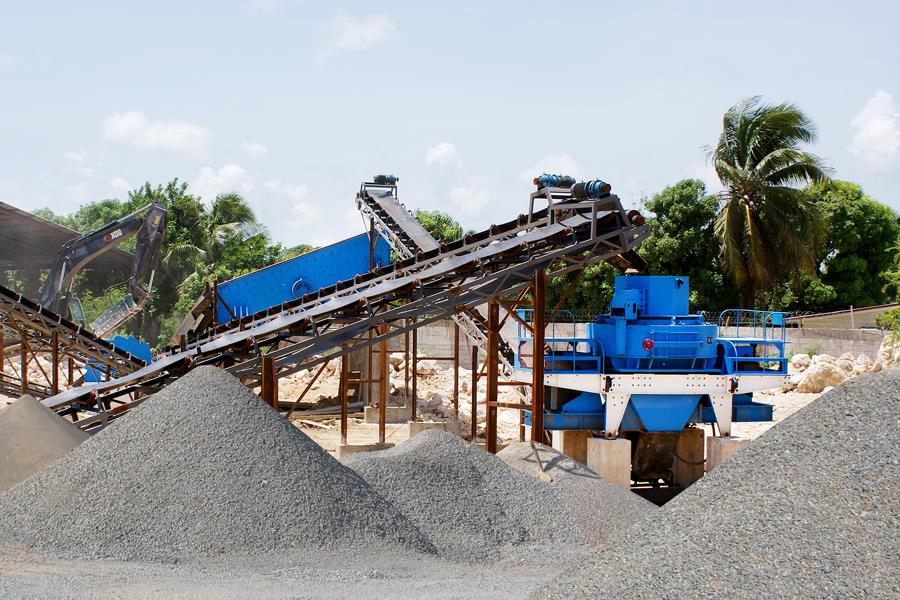
How to reduce recirculating load in 3-stage crushing circuit
Why learning how to reduce recirculating load in 3-stage crushing circuit is essential for Brazilian operations
Brazil's construction aggregate market is experiencing steady and sustained growth, with the sector projected to expand from USD 14.7 billion in 2025 to USD 28.6 billion by 2035, representing a compound annual growth rate of 6.8 per cent. This growth is driven by ongoing infrastructure development projects across the country, including road construction, residential and commercial buildings, and the expansion of the mining sector. For quarry and mining operators supplying this expanding market, efficiency is paramount. One of the most significant sources of inefficiency in any crushing circuit is recirculating load – the material that must be returned to a crusher for additional processing because it did not meet the size specification in the first pass. In a typical 3-stage crushing circuit, recirculating loads can range from 30 per cent to over 100 per cent of the new feed rate, consuming energy, increasing wear on equipment, and reducing the overall plant throughput. Understanding how to reduce recirculating load in 3-stage crushing circuit is therefore a critical skill for Brazilian operators who want to lower operating costs, extend equipment life, and improve profitability. At OCP Mechanical Company, with over 40 years of manufacturing experience, we supply complete 3-stage crushing circuits, including PE Series jaw crushers, HST Series cone crushers, and VSI 6X sand making machines, and we provide practical guidance to help Brazilian operators optimise their circuits for maximum efficiency.
Understanding recirculating load and its impact on circuit performance
Before you can reduce recirculating load, it is important to understand what it is and how it affects circuit performance. Recirculating load is the material that is returned to a crusher after passing through a screen because it is still above the target product size. For example, in a secondary crushing stage, the crusher discharge is fed to a screen. The oversize material (the fraction larger than the screen aperture) is returned to the secondary crusher for further reduction. The recirculating load is the ratio of this returned material to the new feed to the circuit. A high recirculating load means that a significant portion of the crusher's capacity is being used to process material that has already been through the crusher, rather than processing new material. This increases the energy consumption per tonne of final product, accelerates wear on the crusher components, and reduces the net throughput of the circuit. In a 3-stage crushing circuit, the recirculating load in the secondary and tertiary stages is often the largest contributor to overall inefficiency. When you focus on how to reduce recirculating load in 3-stage crushing circuit, your primary targets should be the secondary and tertiary stages.
Optimising the primary crusher for consistent feed
The primary crusher sets the stage for the entire circuit. If the primary crusher produces a product that is too coarse, the secondary and tertiary crushers must work harder, increasing recirculating loads. To reduce recirculating load, the primary crusher should be operated at the optimal closed side setting (CSS) to produce a product that is as close as possible to the secondary crusher's feed size. The CSS should be set based on the desired product size and the feed characteristics. Using a vibrating grizzly feeder to scalp off fines before the primary crusher can also reduce the load on the secondary stage, as it removes the material that would otherwise pass through the secondary crusher without being reduced. The primary crusher should be operated with a consistent feed rate to maintain a stable power draw and product size. By optimising the primary crusher, operators can reduce the burden on the downstream stages. This is an essential first step in how to reduce recirculating load in 3-stage crushing circuit.
Selecting the right secondary crusher and chamber profile
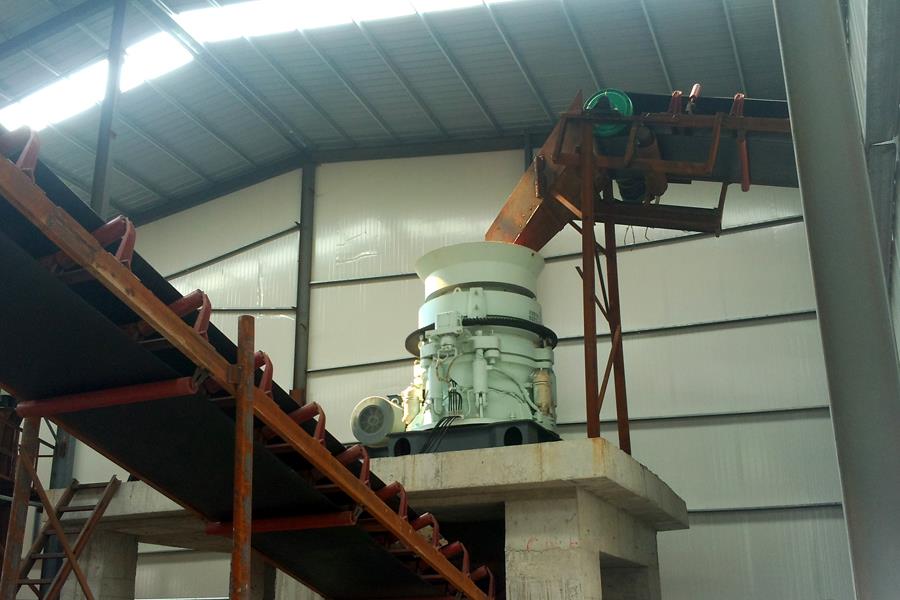
The secondary crusher is the workhorse of the 3-stage circuit, and its selection and operation have a major impact on recirculating load. For Brazilian hard rock applications, a cone crusher is typically used for the secondary stage. The choice of chamber profile – coarse, medium, or fine – determines the reduction ratio and the product size distribution. A chamber that is too fine will produce a high recirculating load, as the material must pass through the screen multiple times. A chamber that is too coarse will produce an oversized product that must be recirculated. The optimal chamber profile should match the feed size and the desired product size. The CSS of the secondary crusher should be set to achieve the target product size with the minimum recirculating load. This often involves a balancing act: a tighter CSS reduces recirculating load but increases power draw and wear. The crusher should be operated in a choke-fed condition to ensure a consistent product. Our HST Series cone crushers are available with multiple chamber profiles, allowing operators to select the optimal configuration for their specific application. This is a critical element of how to reduce recirculating load in 3-stage crushing circuit.
Optimising screen efficiency and aperture selection
The screen is the gatekeeper of the circuit; its efficiency directly determines the recirculating load. If the screen is not performing efficiently, oversize material will pass through, increasing the recirculating load. The screen aperture should be selected to match the target product size. A smaller aperture will produce a finer product but will increase the recirculating load. A larger aperture will reduce recirculating load but may produce a coarser product that does not meet specifications. The screen should be operated at the correct inclination angle and vibration amplitude to achieve the highest efficiency. The screen media should be selected based on the feed material and the product requirements – woven wire for standard applications, polyurethane for wet or sticky material. Regular inspection and maintenance of the screen, including cleaning and tensioning, are essential for maintaining efficiency. In many Brazilian operations, screen blinding is a common cause of high recirculating loads, particularly in the wet season. By optimising the screening stage, operators can significantly reduce the recirculating load. This is a key strategy in how to reduce recirculating load in 3-stage crushing circuit.
Balancing the tertiary stage for final product control
The tertiary stage, often a VSI crusher for sand shaping, is the final opportunity to control product size. If the secondary stage is producing a product that is too coarse, the tertiary stage must work harder, increasing recirculating load. The tertiary crusher should be set to achieve the final product size with the minimum recirculating load. The use of a variable frequency drive (VFD) on the tertiary crusher allows the operator to adjust the speed to match the feed, reducing the load on the crusher. The cascade ratio on a VSI crusher can also be adjusted to control the product gradation. By balancing the secondary and tertiary stages, operators can achieve the desired final product with a low recirculating load. This is the ultimate goal of how to reduce recirculating load in 3-stage crushing circuit.
Brazilian operating conditions and their impact on circuit performance
Brazil's diverse climate, with high humidity and significant rainfall in many regions, can affect the performance of a crushing circuit. Wet material can cause blinding on screens and can lead to packing in the crushers, increasing recirculating loads. To mitigate these effects, operators should ensure that the feed is as dry as possible, by using a stockpile or a drying system. The screen media should be selected to resist blinding, and the crushers should be operated with a consistent feed. In the dry season, when the material is drier, the recirculating load may be lower. By adapting the circuit operation to the seasonal conditions, operators can reduce recirculating loads and maintain consistent production. This is a practical aspect of how to reduce recirculating load in 3-stage crushing circuit that is relevant to many Brazilian operations.
Sample recirculating load reduction strategies (For reference only)
| Stage | Strategy | Expected Reduction |
|---|---|---|
| Primary | Optimise CSS, use grizzly feeder | 10‑20% |
| Secondary | Select optimal chamber profile, choke‑feed | 15‑30% |
| Screening | Increase efficiency, correct aperture | 20‑40% |
| Tertiary | Use VFD, adjust cascade ratio | 10‑20% |
All figures and recommendations are for reference only and are continuously updated. For the latest parameters, please consult our online customer service. Prices are for reference only and are subject to change based on configuration and market conditions. Actual results may vary depending on feed characteristics, operating conditions, and maintenance practices. OCP Mechanical reserves the right to update technical data and pricing without prior notice.
Why OCP Mechanical is your partner for crushing circuit optimisation in Brazil
With over 40 years of manufacturing experience, OCP Mechanical combines engineering excellence with a deep understanding of the Brazilian quarrying and mining sectors. We are a factory-direct supplier, meaning you avoid the markups charged by dealers and intermediaries. Our 3-stage crushing circuits, including PE Series jaw crushers, HST Series cone crushers, and VSI 6X sand making machines, are built with high-quality components and are designed for efficient operation. We provide comprehensive after-sales support, including spare parts availability, technical assistance, and on-site training. Our logistics team has extensive experience shipping to Brazil, ensuring timely delivery of equipment and parts. We are committed to helping you achieve the lowest possible recirculating load and the highest efficiency from your crushing circuit.
Conclusion – Implement these strategies and reduce your recirculating load
Reducing recirculating load in a 3-stage crushing circuit is a proven way to lower operating costs, extend equipment life, and improve plant throughput. By optimising the primary crusher, selecting the right secondary crusher and chamber profile, optimising the screen, and balancing the tertiary stage, you can achieve a significant reduction in recirculating load. OCP Mechanical offers the equipment, expertise, and factory-direct pricing you need to succeed. Our online customer service team is available 24/7 to provide free consultation, technical data, and a customised quotation for your operation. Click the chat button now – let us help you implement the strategies for how to reduce recirculating load in 3-stage crushing circuit and build a more efficient, profitable operation in Brazil.
-
-
-
-
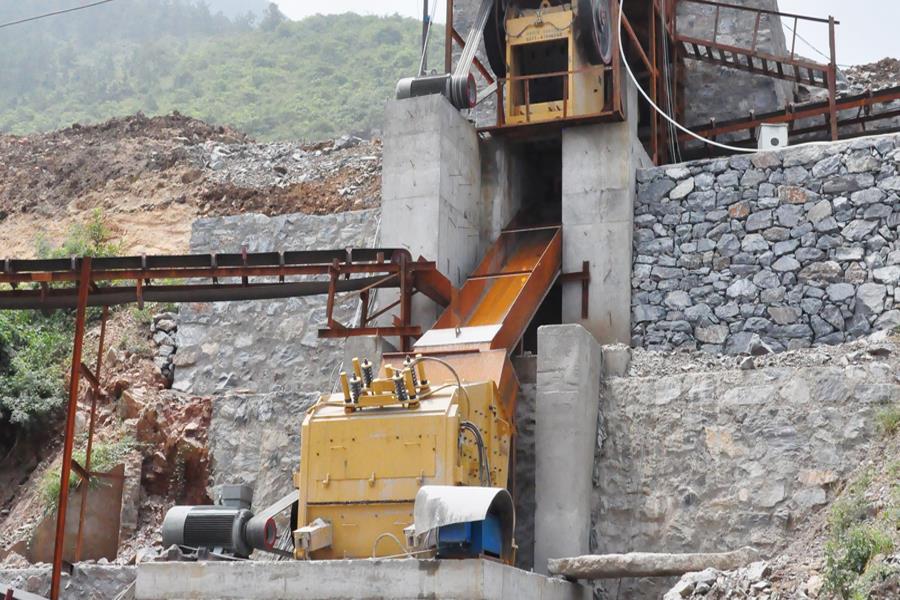
How to balance production between jaw and cone crusher stages
-
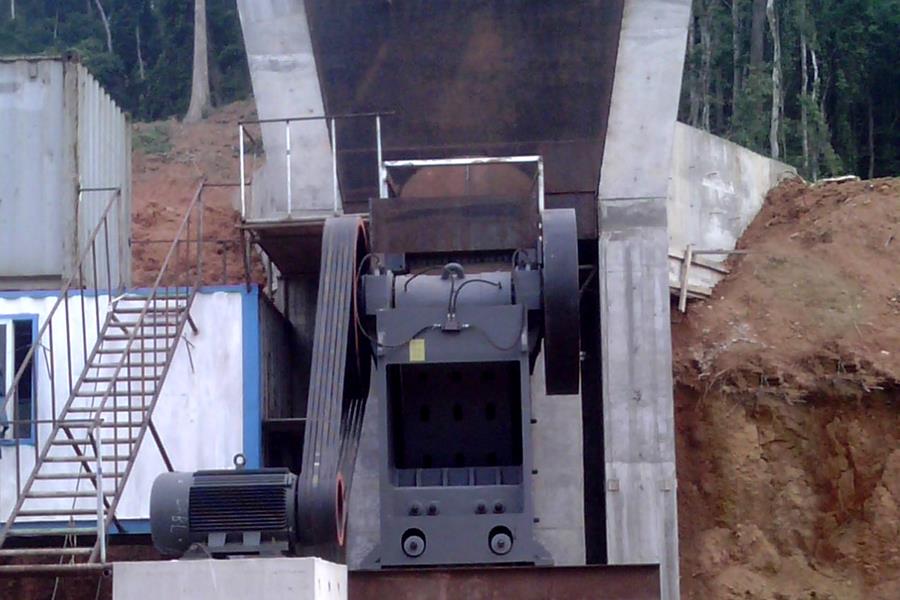
Crusher plant civil foundation design considerations for soft soil



