
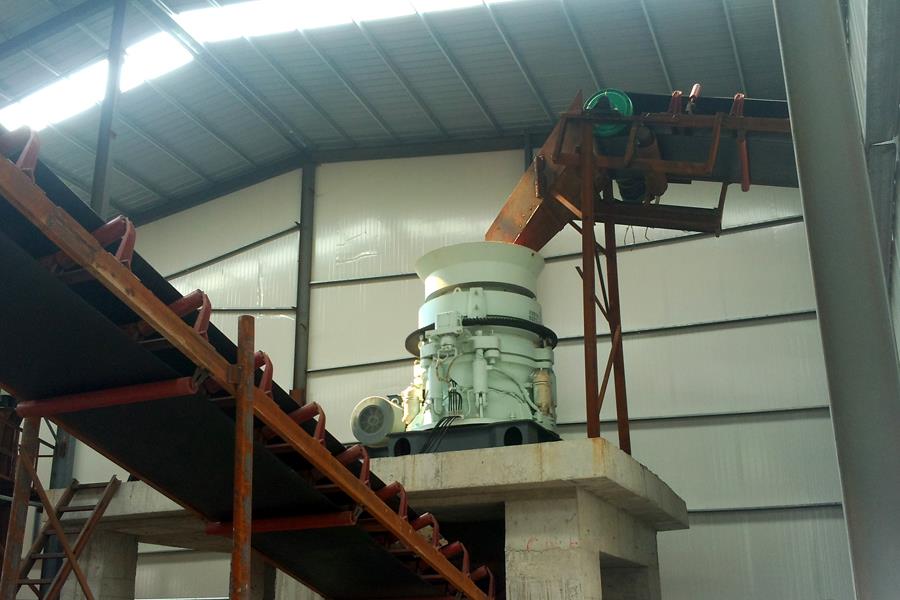
Jaw crusher safety device toggle plate vs hydraulic release
Why the jaw crusher safety device toggle plate vs hydraulic release decision matters for your operation
Jaw crushers are among the most powerful machines in any aggregate or mining plant, capable of processing hundreds of tonnes of hard rock per hour. Yet their very power makes them vulnerable. When uncrushable material—a loader tooth, a piece of structural steel, or a drill bit—enters the crushing chamber, the forces involved can cause catastrophic damage to the crusher's frame, bearings, and eccentric shaft. To prevent this, every jaw crusher is equipped with an overload protection system. The traditional approach uses a toggle plate that acts as a mechanical fuse, designed to break when overloaded. The modern alternative is a hydraulic release system that opens the crusher automatically and resets itself. Understanding the jaw crusher safety device toggle plate vs hydraulic release comparison is therefore essential for operators who want to protect their equipment, minimise downtime, and control operating costs. At OCP Mechanical Company, with over 40 years of manufacturing experience, we supply jaw crushers with both toggle plate and hydraulic release systems, including our PE Series and PEW Series models, and we provide practical guidance to help operators select the right safety device for their specific application.
How the toggle plate safety device works and its advantages
The toggle plate is a simple but highly effective mechanical safety device. It is a single metal plate positioned between the toggle seat and the swing jaw. Under normal crushing conditions, the toggle plate transmits the crushing force from the swing jaw to the frame. However, when an uncrushable object enters the chamber, the force on the toggle plate exceeds its design limit, and the plate fractures. This fractures the connection between the swing jaw and the frame, allowing the crusher to open and the tramp metal to pass. The toggle plate is designed to be the weakest point in the crusher's mechanical chain, protecting the more expensive components from damage. The advantages of the toggle plate system are its simplicity and low cost. The toggle plate is inexpensive to replace, and the system requires no external power source. It is a proven, reliable design that has been used for over a century. In a jaw crusher safety device toggle plate vs hydraulic release comparison, the toggle plate offers a low initial cost and is easy to understand and maintain. However, replacing the toggle plate requires the crusher to be stopped, and the operator must have a replacement plate on hand. The downtime can be 1‑2 hours, which may be acceptable in some operations but costly in others. Our PE Series crushers are equipped with a toggle plate system that uses a high‑strength, ductile iron plate, providing reliable overload protection while minimising the risk of damage to the crusher frame.
How the hydraulic release system works and its advantages
The hydraulic release system is a more modern approach to overload protection. In this system, the crusher's swing jaw is held against the frame by hydraulic cylinders. These cylinders are connected to a nitrogen‑charged accumulator. When an uncrushable object enters the crushing chamber, the hydraulic pressure increases, and the swing jaw is pushed back, opening the crusher and allowing the tramp metal to pass. Once the object has passed, the hydraulic system returns the jaw to its original position, and the crusher resumes operation. The key advantage of the hydraulic release system is that it resets automatically. There is no need to replace a broken part; the crusher is ready to continue after a brief interruption. This significantly reduces downtime, often to just a few minutes. Hydraulic systems also offer greater adjustability; the release pressure can be set to match the specific operating conditions, providing a more precise protection. In the jaw crusher safety device toggle plate vs hydraulic release comparison, the hydraulic system delivers faster recovery times and lower unplanned downtime. However, it has a higher initial cost and requires a more complex hydraulic system that needs regular maintenance. Our PEW Series crushers are available with a hydraulic release system, providing the benefits of automatic reset and precise control for operations where downtime is a critical cost factor.
Comparing downtime and operating costs
One of the most significant differences in the jaw crusher safety device toggle plate vs hydraulic release comparison is the impact on downtime. With a toggle plate system, a tramp metal event requires the crusher to be shut down, the broken toggle plate removed, a new plate installed, and the crusher re‑started. This typically takes 1‑2 hours, depending on the site and the availability of spare parts. In a high‑production operation, the lost production during this period can be substantial, and the labour cost of the repair adds to the expense. In a hydraulic release system, a tramp metal event causes a brief interruption—typically a few seconds to a minute—while the crusher opens and resets. The production loss is minimal, and there is no parts replacement cost. Over a year, an operation with a hydraulic release system can save hundreds of hours of downtime and tens of thousands of dollars in labour and parts. When you evaluate the jaw crusher safety device toggle plate vs hydraulic release, the hydraulic system offers a lower total cost of ownership for operations that experience frequent tramp metal events.
Suitability for different applications
The choice between a toggle plate and a hydraulic release system depends on the application. For operations with a low risk of tramp metal—such as quarries processing blasted rock with minimal steel content—a toggle plate system may be perfectly adequate. The occasional broken toggle plate is an acceptable cost. For operations with a higher risk of tramp metal—such as recycling plants, demolition sites, or processing material from urban sites—a hydraulic release system offers a clear advantage. The ability to clear tramp metal quickly and resume production is essential for maintaining productivity. In the jaw crusher safety device toggle plate vs hydraulic release decision, the hydraulic system is generally preferred for applications where tramp metal is common, and the toggle plate is suitable for more controlled environments. Our engineering team can help you assess the risk of tramp metal in your operation and recommend the most appropriate safety device.
Maintenance and reliability considerations
Both systems require maintenance, but the nature of the maintenance is different. The toggle plate system is simple; the plates need to be inspected for wear and replaced if damaged. The pivot pins and the toggle seats should be lubricated and checked for wear. The hydraulic release system requires regular inspection of the hydraulic cylinders, the oil level, and the condition of the hydraulic oil. The nitrogen pre‑charge in the accumulator must be checked periodically. While the hydraulic system is more complex, it is also more reliable when properly maintained. In the jaw crusher safety device toggle plate vs hydraulic release comparison, the toggle plate offers simplicity and low maintenance, while the hydraulic system offers higher performance and faster recovery from tramp metal events.
Sample safety device comparison table (For reference only)
| Feature | Toggle Plate | Hydraulic Release |
|---|---|---|
| Initial cost | Lower | Higher (+15‑30%) |
| Response to tramp metal | Plate breaks | Crusher opens and resets |
| Downtime per event | 1‑2 hours | 2‑5 minutes |
| Parts replacement cost | Moderate | None (reset) |
| Maintenance | Simple | More complex |
| Suitability | Low tramp metal risk | High tramp metal risk |
All figures and recommendations are for reference only and are continuously updated. For the latest parameters, please consult our online customer service. Prices are for reference only and are subject to change based on configuration and market conditions. Actual results may vary depending on feed characteristics, operating conditions, and maintenance practices. OCP Mechanical reserves the right to update technical data and pricing without prior notice.
Why OCP Mechanical is your partner for jaw crusher safety solutions
With over 40 years of manufacturing experience, OCP Mechanical combines engineering excellence with a deep understanding of crushing operations. We are a factory‑direct supplier, meaning you avoid the markups charged by dealers and intermediaries. Our PE Series crushers are available with toggle plate systems, and our PEW Series crushers are available with hydraulic release systems, giving you the flexibility to choose the right safety device for your application. We provide comprehensive after‑sales support, including spare parts availability, technical assistance, and on‑site training. We are committed to helping you protect your crusher and maintain reliable production.
Conclusion – Choose the right safety device for your operation
The choice between a toggle plate and a hydraulic release system is an important decision that affects your crusher's reliability, downtime, and operating costs. By understanding the jaw crusher safety device toggle plate vs hydraulic release comparison, you can select the system that best meets the needs of your operation. OCP Mechanical offers the equipment, expertise, and factory‑direct pricing you need to succeed. Our online customer service team is available 24/7 to provide free consultation, technical data, and a customised quotation for your operation. Click the chat button now – let us help you choose the right safety device for your jaw crusher and build a more reliable, profitable operation.
-
How to balance production between jaw and cone crusher stages
-
Crusher plant civil foundation design considerations for soft soil
-
-
-
Cone crusher lubrication oil filter replacement interval guide



