
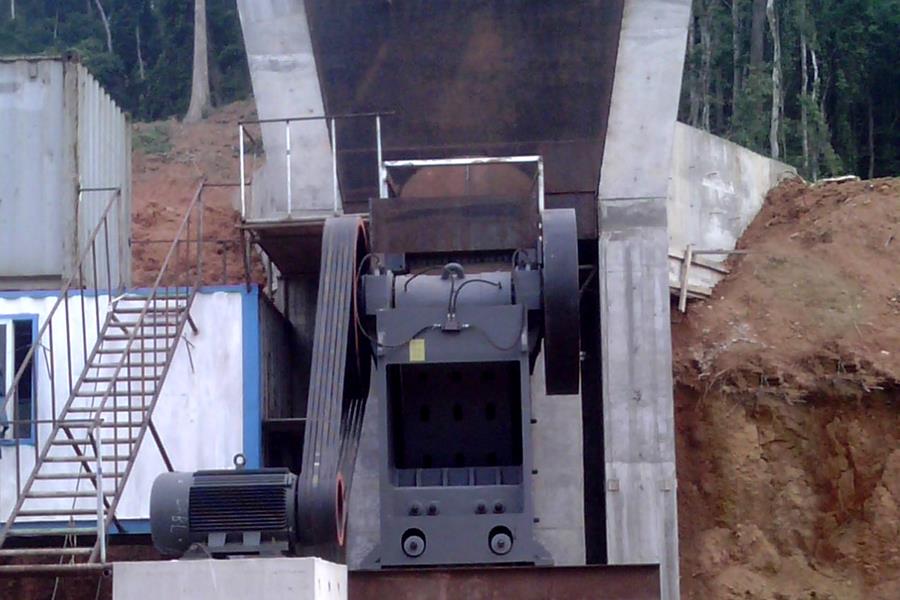
Crusher plant civil foundation design considerations for soft soil
Why crusher plant civil foundation design considerations for soft soil are critical for long-term reliability
A crusher plant is only as reliable as the ground it sits on. Unlike conventional buildings that primarily resist static loads, a crushing plant generates significant dynamic forces—cyclic impact loads that propagate through the foundation into the surrounding soil. These forces are continuous, often operating 24 hours a day, 7 days a week, and they place unique demands on the foundation that static analysis alone cannot predict. When the underlying soil is weak—loose sand, soft clay, peat, or other compressible materials—the challenges multiply. Differential settlement, excessive vibration, and even bearing capacity failure can occur if the foundation is not properly designed. These issues can lead to misalignment of crushers, conveyors, and screens, increased wear on equipment, and costly unplanned downtime. Understanding crusher plant civil foundation design considerations for soft soil is therefore essential for engineers, project managers, and plant operators who want to ensure the long-term reliability and productivity of their crushing operations. At OCP Mechanical Company, with over 40 years of manufacturing experience, we design our complete crushing plants with foundation requirements that are practical for a wide range of soil conditions, and we provide engineering guidance to help our clients achieve safe, stable installations.
Understanding the challenges of soft soil for crusher foundations
Soft soil conditions present several specific challenges for crusher plant foundations. The most significant is bearing capacity—the ability of the soil to support the weight of the equipment without excessive settlement. Crushers are heavy machines; a typical jaw crusher can weigh 50‑100 tonnes, and the complete plant, including feeders, screens, and conveyors, can weigh hundreds of tonnes. If the soil bearing capacity is insufficient, the foundation can settle, causing the crusher to become misaligned. Settlement is another major concern. Even if the soil can support the weight, it may compress over time, leading to differential settlement where different parts of the plant settle at different rates. This can cause misalignment of the crusher with the feeder and the discharge conveyor, leading to increased wear and reduced efficiency. Vibration is a third challenge. The dynamic forces from the crusher can cause the soil to compact further or even liquefy in some conditions, amplifying the vibration and potentially damaging the equipment. Understanding these challenges is the first step in developing a foundation design that mitigates them. This is the foundation of any effective crusher plant civil foundation design considerations for soft soil.
Site investigation and soil testing – the foundation of good design
Before any foundation design can begin, a thorough site investigation and soil testing program is essential. This is a critical part of crusher plant civil foundation design considerations for soft soil. The investigation should include borehole drilling to determine the soil profile, sampling for laboratory testing, and in‑situ tests such as Standard Penetration Tests (SPT) or Cone Penetration Tests (CPT). The soil properties that are most relevant to foundation design include the soil type, the shear strength, the compressibility (consolidation characteristics), and the bearing capacity. The depth to bedrock or a firm stratum is also important. The results of the site investigation will determine whether the soil is suitable for a shallow foundation or whether a deep foundation (such as piles) is required. The investigation should also assess the groundwater level, as high groundwater can reduce the bearing capacity and require dewatering. We recommend engaging a qualified geotechnical engineer to conduct the investigation and provide a foundation design recommendation. This is a non‑negotiable part of crusher plant civil foundation design considerations for soft soil.
Shallow foundation options for soft soil
In some cases, a shallow foundation can be used on soft soil, provided the soil has sufficient bearing capacity and the settlement is within acceptable limits. Shallow foundations for crusher plants typically consist of a spread footing or a mat foundation. A spread footing is a pad of reinforced concrete that distributes the load from the crusher onto the soil. A mat foundation is a larger, continuous slab that spreads the load over a wider area, reducing the pressure on the soil. For soft soil, a mat foundation is often preferred, as it provides greater load distribution and reduces the risk of differential settlement. The size of the foundation is determined by the bearing capacity of the soil and the weight of the equipment. The foundation must be designed to limit the settlement to an acceptable level—typically less than 25 mm total settlement and less than 5 mm differential settlement. The foundation should also be designed to resist the dynamic forces from the crusher, which may require additional mass or reinforcement. In crusher plant civil foundation design considerations for soft soil, shallow foundations are often the most cost‑effective option when the soil conditions permit.
Deep foundation options – piles and piers
When the soil is too weak to support a shallow foundation, a deep foundation is required. The most common deep foundation types for crusher plants are piles and piers. Piles are long, slender columns that are driven or drilled into the ground to transfer the load to a deeper, stronger stratum or to distribute the load through friction along their length. Piers are similar but are typically larger in diameter and are cast in place. Piles can be made from concrete, steel, or timber. For crusher plant foundations, concrete piles are the most common choice. The pile design depends on the soil conditions and the required load capacity. The piles must be designed to support the crusher's static weight and to resist the dynamic forces generated during operation. A pile cap—a thick concrete block—is used to connect the piles and provide a solid base for the crusher. Deep foundations are more expensive than shallow foundations, but they are essential in very soft soil conditions. In crusher plant civil foundation design considerations for soft soil, a deep foundation is often the only practical solution for ensuring long‑term stability and performance.
Vibration isolation and damping
Vibration is a significant concern for crusher foundations, particularly on soft soil where the ground may amplify the vibration. Excessive vibration can cause misalignment, accelerated wear, and even structural damage. To mitigate vibration, several measures can be taken as part of crusher plant civil foundation design considerations for soft soil. The foundation itself can be designed to have a high mass, which reduces the amplitude of vibration. The use of vibration isolators—springs or rubber mounts—between the crusher and the foundation can significantly reduce the transmission of vibration to the ground. In some cases, a vibration‑damping layer of gravel or sand can be placed under the foundation to absorb vibration. The foundation should also be isolated from the rest of the plant to prevent vibration from propagating to the conveyors and screens. The design of the vibration isolation system should be based on a dynamic analysis of the crusher‑foundation‑soil system. This is a specialist task that should be performed by a qualified engineer. By implementing effective vibration isolation, operators can protect their equipment and ensure the long‑term reliability of the plant.
Construction considerations for soft soil foundations
The construction of the foundation is as important as its design. In soft soil conditions, special care must be taken during excavation and concreting. The excavation must be properly shored to prevent collapse. The bottom of the excavation must be compacted and, if necessary, stabilised with a layer of granular fill or a geotextile. The concrete must be poured continuously to avoid cold joints, which can weaken the foundation. The reinforcement must be placed correctly and secured. After the concrete has cured, the foundation should be inspected to ensure it meets the design specifications. In some cases, the foundation may need to be tested under load to verify its performance. By paying attention to these construction details, the foundation can achieve the required strength and durability.
Sample foundation design parameters (For reference only)
| Parameter | Value |
|---|---|
| Soil bearing capacity (minimum) | 100‑150 kPa for shallow foundations * |
| Maximum total settlement | 25 mm * |
| Maximum differential settlement | 5 mm * |
| Pile capacity (typical) | 500‑1,000 kN * |
| Vibration amplitude (target) | <0.5 mm/s * |
All figures and recommendations are for reference only and are continuously updated. For the latest parameters, please consult our online customer service. Prices are for reference only and are subject to change based on configuration and market conditions. Actual results may vary depending on feed characteristics, operating conditions, and maintenance practices. OCP Mechanical reserves the right to update technical data and pricing without prior notice.
Why OCP Mechanical is your partner for complete crushing plant solutions
With over 40 years of manufacturing experience, OCP Mechanical combines engineering excellence with practical, field‑tested knowledge of crushing plant design and installation. We are a factory‑direct supplier, meaning you avoid the markups charged by dealers and intermediaries. Our complete crushing plants, including PE Series jaw crushers, HST Series cone crushers, and VSI 6X sand making machines, are built with high‑quality components and are designed for easy foundation installation. We provide comprehensive after‑sales support, including spare parts availability, technical assistance, and on‑site training. We are committed to helping you achieve a reliable, productive crushing plant that stands on a solid foundation.
Conclusion – Design a foundation that ensures long‑term plant reliability
A well‑designed foundation is essential for the long‑term reliability and performance of a crusher plant. In soft soil conditions, the foundation design must address bearing capacity, settlement, vibration, and construction challenges. By conducting a thorough site investigation, selecting the appropriate foundation type, designing for vibration isolation, and ensuring proper construction, you can achieve a foundation that supports your plant for decades. OCP Mechanical offers the equipment, expertise, and factory‑direct pricing you need to succeed. Our online customer service team is available 24/7 to provide free consultation, technical data, and a customised quotation for your operation. Click the chat button now – let us help you implement the right crusher plant civil foundation design considerations for soft soil and build a more reliable, productive plant.
-
-
-
Cone crusher lubrication oil filter replacement interval guide
-
-
How to reduce jaw crusher flywheel vibration – A practical guide for smooth and reliable operation



