
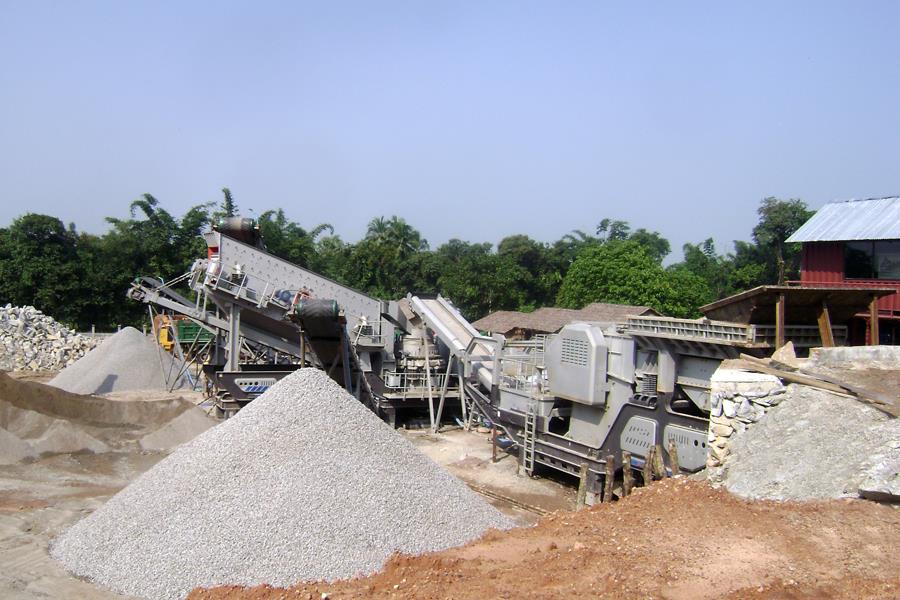
VSI crusher feed tube wear reduction technique – A practical guide for South African aggregate and mining operators
Why VSI crusher feed tube wear reduction technique matters for South African operations
South Africa's quarrying and mining sectors are among the most demanding in the world, with operators processing hard, abrasive materials such as granite, quartzite, and dolomite across the country. The vertical shaft impact (VSI) crusher has become the machine of choice for producing high-quality manufactured sand and shaped aggregates, particularly as quarries seek to meet growing demand for consistent, specification-grade products. However, the very efficiency of the VSI comes at a cost: wear. Inside the rotor, the feed tube is one of the most heavily stressed components. It guides material from the feed hopper into the high-speed rotor, directing stones onto the rotor tips or directly into the crushing chamber. The feed tube is subjected to continuous high-velocity impact and abrasion, making it one of the most frequently replaced wear parts in the VSI crusher. In South African operations, where abrasive ores are common, feed tube wear can be particularly rapid, leading to frequent downtime and high replacement costs. Understanding and implementing an effective VSI crusher feed tube wear reduction technique is therefore essential for maintaining production efficiency and controlling operating costs. At OCP Mechanical Company, with over 40 years of manufacturing experience, we supply high-performance VSI crushers, including our VSI 6X series, engineered with advanced feed tube designs and wear-reduction features, and we provide practical guidance to help South African operators extend feed tube life and reduce their cost per tonne.
Understanding feed tube wear mechanisms in VSI crushers
Before applying any wear reduction technique, it is important to understand the mechanisms that cause feed tube wear. The feed tube is positioned inside the rotor and directs material onto the rotor tips or into the cascade system. The material, accelerated to high speed, impacts the feed tube surface, causing both abrasive and impact wear. The primary wear mechanism is abrasive gouging from the hard particles sliding against the tube surface. The second mechanism is impact fatigue from the repeated high-velocity impacts of the material. The wear pattern is often uneven, with the highest wear occurring on the side of the tube that receives the most material. In South African applications, where the feed material often contains high-silica content, the wear rate can be accelerated significantly. The feed tube's material, its geometry, and the operating conditions all influence the wear rate. By understanding these mechanisms, operators can select the most effective VSI crusher feed tube wear reduction technique for their specific application. Our VSI 6X series crushers feature feed tubes designed with wear-resistant materials and optimized geometry to minimize wear and extend service life. All product specifications are continuously updated; for the latest parameters, please consult our online customer service.
Selecting the right feed tube material
The material of the feed tube is the most significant factor affecting its wear life. The most common materials are high-chrome cast iron, martensitic steel, and tungsten carbide composites. High-chrome cast iron offers excellent abrasion resistance and is a cost-effective choice for many applications. However, it can be brittle and may crack under high impact forces. Martensitic steel offers better toughness and is more resistant to impact, but it has lower abrasion resistance than high-chrome. Tungsten carbide composites offer the highest wear resistance, often lasting two to three times longer than high-chrome. They are the preferred choice for highly abrasive materials, but they are more expensive. In South Africa, where many operations process hard, abrasive ores, tungsten carbide composites are often the most cost-effective choice in the long term, despite the higher initial cost. When you evaluate a VSI crusher feed tube wear reduction technique, the selection of the material should be based on the abrasiveness of the feed and the operating conditions. Our engineering team can recommend the optimal feed tube material for your specific application, balancing initial cost with wear life and downtime.
Optimising feed distribution to reduce wear
Uneven feed distribution is a major contributor to premature feed tube wear. When material is fed predominantly to one side of the rotor, that side of the feed tube experiences higher wear, leading to premature replacement. A uniform feed distribution across the full width of the rotor ensures that the wear is spread evenly across the feed tube surface, extending its life. The feed distribution is influenced by the design of the feed hopper, the feed tube, and the feeder. Using a distributor plate or a deflector cone inside the feed tube can help to centre the material and ensure even distribution. The feed rate should be consistent, avoiding surges that can cause uneven wear. In South African operations, where feed characteristics can vary, adjusting the feed distribution to match the material flow is a practical VSI crusher feed tube wear reduction technique that can extend feed tube life by 20‑30 per cent. Our VSI 6X crushers are equipped with an adjustable distributor system that allows operators to optimize the feed distribution for their specific application, ensuring even wear and longer service life.
Controlling feed size to reduce impact forces
The size of the feed material directly influences the impact forces on the feed tube. Larger particles create higher impact forces, accelerating wear. Reducing the maximum feed size can significantly extend the life of the feed tube. The ideal feed size for a VSI crusher is typically 10‑40 mm for most applications. Particles larger than this should be removed by a pre-screening stage. In South Africa, where many operations process run-of-quarry material, installing a vibrating grizzly feeder or a scalping screen ahead of the VSI crusher can reduce the feed size and protect the feed tube. The use of a VSI crusher feed tube wear reduction technique that includes feed size control can extend feed tube life by 10‑20 per cent. This approach also reduces wear on the rotor tips and the anvils, providing a broader benefit to the operation.
Adjusting rotor speed to manage wear
The rotor speed affects the impact energy and, consequently, the wear on the feed tube. A higher rotor speed increases the impact forces, accelerating wear. Reducing the rotor speed can reduce the wear rate, but it may also affect the product gradation and the throughput. The optimal rotor speed is a balance between wear and performance. In South African operations, where the feed is often abrasive, a moderate rotor speed (50‑55 m/s) may offer the best balance. Using a variable frequency drive (VFD) allows the operator to adjust the rotor speed to match the feed characteristics and the product requirements, providing a flexible VSI crusher feed tube wear reduction technique. Our VSI 6X crushers are equipped with VFDs, allowing operators to fine-tune the rotor speed to achieve the best balance between wear and productivity.
Protecting the feed tube with sacrificial liners
Another effective VSI crusher feed tube wear reduction technique is the use of sacrificial liners or wear plates inside the feed tube. These liners are designed to wear preferentially, protecting the base material of the feed tube. When the liner is worn, it is replaced, extending the life of the feed tube itself. The liners are typically made from high-chrome or tungsten carbide and are bolted or welded into place. This approach is particularly effective in highly abrasive applications, where the feed tube would otherwise need to be replaced frequently. The liners are relatively inexpensive to replace, making this a cost-effective strategy. Our VSI 6X crushers are designed with replaceable wear liners in the feed tube, providing a practical VSI crusher feed tube wear reduction technique that is easy to implement and maintain.
Sample feed tube wear reduction checklist (For reference only)
| Technique | Expected Benefit |
|---|---|
| Use tungsten carbide feed tube | 2‑3x longer life * |
| Optimise feed distribution | 20‑30% longer life * |
| Control feed size (<40 mm) | 10‑20% longer life * |
| Adjust rotor speed (50‑55 m/s) | 10‑15% longer life * |
| Use sacrificial liners | Protects base material * |
All figures and recommendations are for reference only and are continuously updated. For the latest parameters, please consult our online customer service. Prices are for reference only and are subject to change based on configuration and market conditions. Actual results may vary depending on feed characteristics, operating conditions, and maintenance practices. OCP Mechanical reserves the right to update technical data and pricing without prior notice.
Why OCP Mechanical is your partner for VSI crusher solutions in South Africa
With over 40 years of manufacturing experience, OCP Mechanical combines engineering excellence with a deep understanding of the South African mining and quarrying sectors. We are a factory-direct supplier, meaning you avoid the markups charged by dealers and intermediaries. Our VSI 6X series crushers are built with high-quality components and are designed for reliable performance in the most demanding applications. We provide comprehensive after-sales support, including spare parts availability, technical assistance, and on-site training. Our logistics team has extensive experience shipping to South Africa, ensuring timely delivery of equipment and parts. We are committed to helping you achieve the lowest possible wear costs and the highest productivity from your VSI crusher.
Conclusion – Apply these techniques and extend your feed tube life
The feed tube is a critical component of the VSI crusher, and its wear can significantly impact operating costs and downtime. By selecting the right material, optimising feed distribution, controlling feed size, adjusting rotor speed, and using sacrificial liners, you can extend feed tube life and reduce your cost per tonne. OCP Mechanical offers the equipment, expertise, and factory-direct pricing you need to succeed. Our online customer service team is available 24/7 to provide free consultation, technical data, and a customised quotation for your operation. Click the chat button now – let us help you implement the best VSI crusher feed tube wear reduction technique for your South African operation.
-
-
Cone crusher lubrication oil filter replacement interval guide
-
-
How to reduce jaw crusher flywheel vibration – A practical guide for smooth and reliable operation
-
Sand washing plant polymer flocculant dosage optimization guide



