How to choose a dust collector for 320 tph crushing plant
Why knowing how to choose a dust collector for 320 tph crushing plant is critical for U.S. operations
Across the United States, aggregate producers face increasing pressure to control dust emissions while maintaining production efficiency. The U.S. Environmental Protection Agency's New Source Performance Standards set strict limits on particulate matter from nonmetallic mineral processing plants, with opacity limits for fugitive emissions from affected sources. At the same time, OSHA's respirable crystalline silica standard establishes a Permissible Exposure Limit for silica dust over an 8‑hour shift, triggering mandatory exposure monitoring. For a 320 tonnes per hour crushing plant, the dust generated at crushers, screens, and transfer points can be substantial—often exceeding 50,000 cubic feet per minute of airflow requiring filtration. Understanding how to choose a dust collector for 320 tph crushing plant is therefore essential for achieving compliance, protecting worker health, and controlling operating costs. At OCP Mechanical Company, with over 40 years of manufacturing experience, we supply complete dust collection systems, including our P Series baghouse collectors, engineered for high‑capacity aggregate applications, and we provide practical guidance to help U.S. operators select the right system for their specific plant configuration.
Identifying dust sources in a 320 TPH crushing plant
Before you can select a dust collector, you must identify the dust sources in your plant. In a typical 320 TPH crushing circuit, the main dust sources include the primary crusher discharge, the secondary and tertiary crushers, the screening station, and the conveyor transfer points. Each of these sources has a different airflow requirement. The primary crusher discharge, where material falls from the crusher onto the conveyor, creates significant turbulence and can generate the largest dust plume. The screening station, where material is separated into different size fractions, is another major source, especially if the material is dry. Conveyor transfer points, where material is dropped from one belt to another, create dust due to the impact and turbulence of falling material. By mapping the dust sources and estimating the airflow required for each, you can determine the total air volume the dust collector must handle. This is the first step in how to choose a dust collector for 320 tph crushing plant. A typical 320 TPH plant may require 40,000‑80,000 CFM of total airflow, depending on the number of sources and the ductwork layout.
Understanding dust collector types – baghouse vs. cartridge vs. cyclone
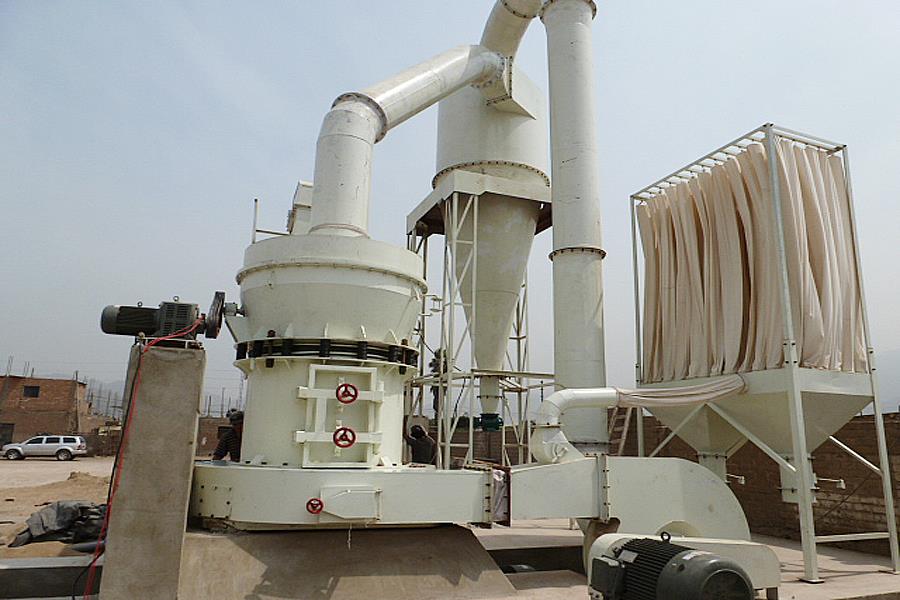
When you evaluate how to choose a dust collector for 320 tph crushing plant, you will encounter three main types: baghouse collectors, cartridge collectors, and cyclone collectors. Baghouse collectors use fabric filter bags to capture dust and are the most common choice for aggregate plants because they offer high collection efficiency (typically 99.9 per cent) and can handle a wide range of dust types and loadings. They are available in pulse‑jet and reverse‑air designs. Cartridge collectors use pleated filter cartridges and offer a compact footprint, making them suitable for plants with limited space. However, they may have higher operating costs and are less tolerant of high dust loadings. Cyclone collectors use centrifugal force to separate dust from the air; they are simple and have low maintenance, but they typically achieve only 80‑90 per cent collection efficiency, so they are often used as pre‑cleaners ahead of a baghouse or cartridge collector. For most 320 TPH aggregate plants, a baghouse collector is the preferred solution due to its high efficiency, reliability, and ability to handle high dust loadings. Our P Series baghouse collectors are designed for the demanding conditions of aggregate processing, with heavy‑duty construction and high‑temperature resistant filter media.
Selecting the right air‑to‑cloth ratio
The air‑to‑cloth ratio is one of the most important design parameters in how to choose a dust collector for 320 tph crushing plant. It is the ratio of the airflow (CFM) to the total area of filter media (square feet). A lower ratio provides better filtration efficiency and longer bag life but requires a larger collector. For aggregate processing, where the dust is typically abrasive and can be hot, a conservative air‑to‑cloth ratio of 2.5‑3.5:1 is recommended. At this ratio, the dust collector can achieve high efficiency while maintaining a reasonable pressure drop and extending bag life. A higher ratio, such as 4:1 or 5:1, reduces the size and cost of the collector but increases the pressure drop and accelerates bag wear, leading to higher operating costs and more frequent replacements. When you are determining how to choose a dust collector for 320 tph crushing plant, the air‑to‑cloth ratio should be based on the dust characteristics, the operating temperature, and the desired bag life. Our engineering team can calculate the required filter area and recommend the optimal ratio for your specific application.
Filter media selection for aggregate dust
The filter media is the core of the baghouse collector, and its selection is a critical step in how to choose a dust collector for 320 tph crushing plant. For aggregate processing, the dust is typically dry, abrasive, and often hot. The filter media must be resistant to abrasion and capable of operating at the expected temperatures. For most aggregate applications, polyester felt (for temperatures up to 135°C) is a cost‑effective choice. For higher temperatures, aramid (Nomex) or PPS (polyphenylene sulfide) felt may be required. The filter media should be treated with a smooth, oleophobic finish to improve dust release and reduce the risk of bag blinding. In some cases, PTFE (Teflon) membranes are used to provide high filtration efficiency and excellent dust release, but they are more expensive. The choice of media should be based on the dust characteristics and the operating conditions of your specific plant. We offer a range of filter media options for our P Series collectors, and our technical team can recommend the optimal media for your application.
Fan selection and ductwork design
The fan and ductwork are critical components of the dust collection system. The fan must be sized to handle the total airflow at the required static pressure. For a 320 TPH plant, the fan may need to provide 50,000‑80,000 CFM at 10‑15 inches of water gauge (WG) static pressure, depending on the ductwork layout and the number of collection hoods. The fan should be matched to the collector's size and configuration. The ductwork must be designed to maintain the correct air velocity (typically 3,500‑4,500 feet per minute) to keep the dust suspended and prevent settling. The ductwork should be routed to minimise pressure drops and to allow access for maintenance. The collection hoods at each dust source must be designed to capture the dust effectively, with the correct hood shape and placement. A well‑designed fan and ductwork system is essential for achieving the required collection efficiency. When you consider how to choose a dust collector for 320 tph crushing plant, the fan and ductwork should be designed as an integrated system, with the collector selected to match the fan's performance.
Regulatory compliance and permitting considerations
For U.S. aggregate producers, regulatory compliance is a key driver in how to choose a dust collector for 320 tph crushing plant. The EPA's NSPS and state environmental agencies set emission limits that must be met. A baghouse collector with 99.9 per cent efficiency is typically required to meet the 7 per cent opacity limit. The plant's air permit may also specify the type of dust collector, the required collection efficiency, and the monitoring requirements. Before selecting a dust collector, it is important to consult with your local air quality agency to understand the specific requirements for your plant. We can provide the necessary technical documentation, including performance data and emissions testing reports, to support your permit applications. Our P Series collectors are designed to meet the stringent requirements of the U.S. aggregate industry, with proven performance in a wide range of applications.
Sample dust collector selection parameters (For reference only)
| Parameter | Typical Value |
|---|---|
| Total airflow required | 40,000‑80,000 CFM * |
| Air‑to‑cloth ratio | 2.5‑3.5:1 * |
| Filter media | Polyester, Aramid, or PTFE * |
| Fan static pressure | 10‑15 WG * |
| Collection efficiency | 99.9% * |
| Operating temperature | Up to 135°C (polyester) * |
All figures and recommendations are for reference only and are continuously updated. For the latest parameters, please consult our online customer service. Prices are for reference only and are subject to change based on configuration and market conditions. Actual results may vary depending on feed characteristics, operating conditions, and maintenance practices. OCP Mechanical reserves the right to update technical data and pricing without prior notice.
Why OCP Mechanical is your partner for dust collection solutions in the U.S.
With over 40 years of manufacturing experience, OCP Mechanical combines engineering excellence with a deep understanding of the U.S. aggregate industry. We are a factory‑direct supplier, meaning you avoid the markups charged by dealers and intermediaries. Our P Series baghouse collectors are built with high‑quality components and are designed for reliable operation in the most demanding applications. We provide comprehensive after‑sales support, including spare parts availability, technical assistance, and on‑site training. Our logistics team has extensive experience shipping to the U.S., ensuring timely delivery of equipment and parts. We are committed to helping you achieve compliant, efficient dust control that protects your workers and your community.
Conclusion – Choose the right dust collector and ensure compliant, efficient operation
Selecting the right dust collector for a 320 TPH crushing plant is a multi‑step process that requires careful consideration of dust sources, airflow requirements, collector type, air‑to‑cloth ratio, filter media, fan selection, and regulatory compliance. By following this practical guide, you can make an informed decision that delivers reliable, cost‑effective dust control for your U.S. operation. OCP Mechanical offers the equipment, expertise, and factory‑direct pricing you need to succeed. Our online customer service team is available 24/7 to provide free consultation, technical data, and a customised quotation for your operation. Click the chat button now – let us help you master how to choose a dust collector for 320 tph crushing plant and build a cleaner, more compliant crushing operation.