
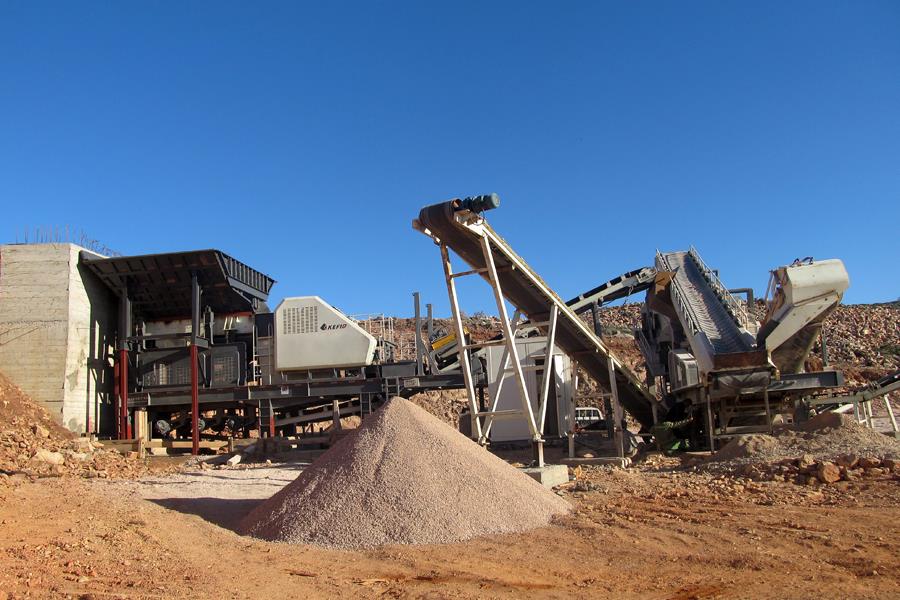
Key Design Considerations for Four Types of Silos in Sand and Gravel Aggregate Production Lines
The setup of the sand and gravel aggregate production line process and the selection of equipment are crucial aspects of modern aggregate mining. Sand and gravel aggregate production lines must consider not only the terrain and surrounding environment but also the silos or storage facilities to ensure high-efficiency operation. Silos play a role in transfer, buffering, and regulation within the production line. It is precisely because of the silos that crushing equipment can continuously, evenly, and smoothly feed materials, ensuring an orderly and stable production process. This article shares the key design considerations for silos.
1. Raw Material Silos
Raw material silos are typically square funnel-shaped cones, welded with steel plates on all sides. They utilize the height difference to allow large pieces of raw material to enter under the influence of gravity, separating natural sand. However, it is important to ensure that the feeding platform is constructed according to the terrain to guarantee the entry of raw materials.
2. Transfer Bin
As the name suggests, the transfer bin's function is to transfer materials. It's typically a steel structure used to temporarily store the semi-finished products from the jaw crusher, then transfer them to the intermediate crushing unit. Because coarse, medium, and fine materials are mixed together, a transfer bin is necessary. The storage capacity of this bin should ideally be sufficient for 2-3 hours of subsequent machine operation. Intermediate and fine crushing units usually don't have transfer bins; they are only used when necessary in actual production.
3. Stabilizing Bin
The stabilizing bin acts as a buffer. For example, a cone crusher requires a stable and uniform feed to ensure the crushing chamber is full, effectively protecting the crusher. Also, in a unit with multiple machines, a single bin can evenly feed all the equipment, saving on conveyor belt installation.
4. Product Warehouse
Product warehouses are typically rectangular factory buildings, divided into different product compartments by partition walls. High concrete retaining walls are recommended. Products are transported to their corresponding compartments via belt conveyors and can be stacked directly against the walls, significantly increasing the finished product warehouse's storage capacity and maximizing space utilization while keeping investment relatively low. Simultaneously, the hardened space for loading within the product warehouse should be maximized to facilitate loading operations, while also providing sufficient buffer area for the stacking zone.
The above four types of silos are commonly found in stone crushing production lines. However, different production lines with varying capacities and designs may require specific silos depending on the actual situation. Please feel free to contact us online or leave a message; our dedicated technical staff will be happy to answer your questions! We also welcome you to visit our factory for consultation or to tour our production line!
-
-
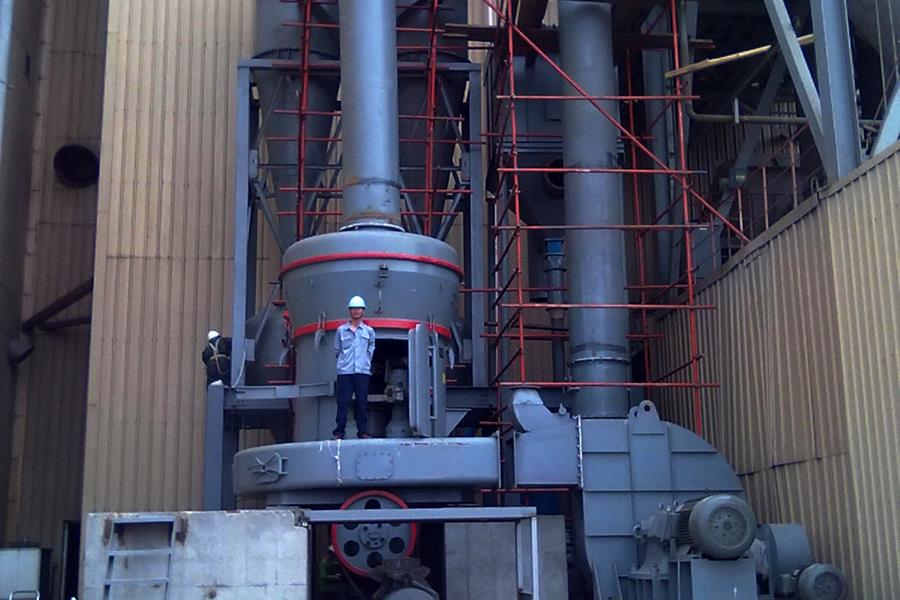
Several Aspects to Consider When Configuring Crushing Equipment for a Stone Production Line
-
-
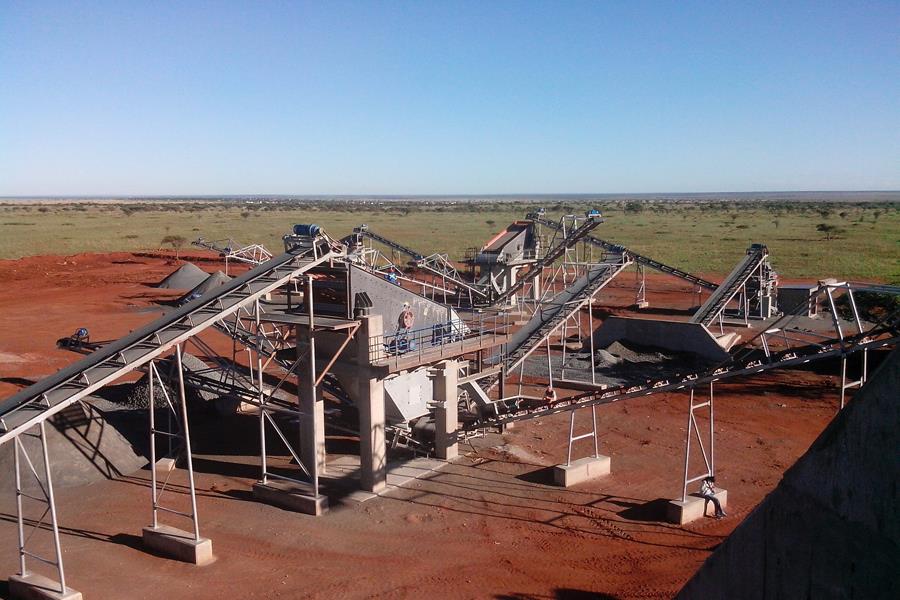
What is the typical configuration of a stone crushing production line
-
How to Configure a Large-Scale, Green Sand and Gravel Aggregate Production Line