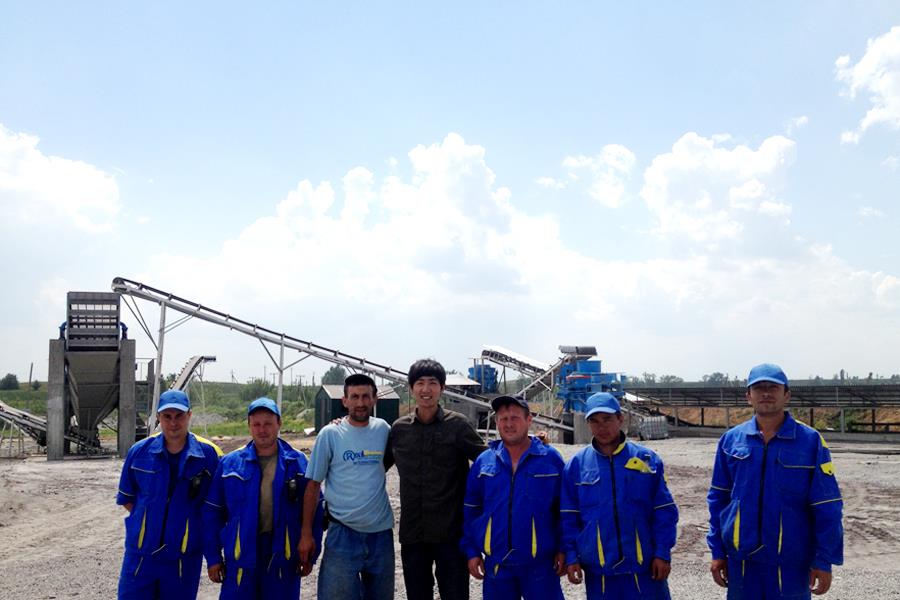

Important Considerations for Operating a Jaw Crusher
A jaw crusher is a commonly used crushing machine in industries such as mining and construction materials. Proper operation is one of the key factors ensuring the continuous and normal operation of a jaw crusher. Improper operation may reduce the efficiency of the jaw crusher and even endanger the safety of operators. The following will outline important considerations for operating a jaw crusher.
1) Before starting the jaw crusher, the oil pump motor and cooling system should be started first. After 3-4 minutes, once the oil pressure and oil flow indicators are normal, the jaw crusher motor can be started.
2) After starting, if the jaw crusher emits abnormal knocking sounds, the machine should be stopped for inspection. After identifying and eliminating the issue, the machine can be restarted.
3) The jaw crusher must be started under no load. After starting, it should run normally for a period of time before the feeding equipment is activated. The amount of ore fed into the jaw crusher should be gradually increased until it reaches full load operation.
4) During operation, it is essential to ensure uniform feeding. The ore should not completely fill the crushing chamber, and the maximum size of the feed blocks should not exceed 0.85 times the width of the feed opening. Additionally, during feeding, strictly prevent non-crushable objects such as the teeth of an electric shovel or the drill bit of a drill from entering the jaw crusher. If such non-crushable objects are found to have entered the crushing chamber and are passing through the discharge opening of the machine, immediately notify the belt conveyor operator to remove them promptly to prevent them from entering the next stage of the crusher and causing severe equipment accidents.
5) During operation, it is also necessary to frequently check whether large ore blocks are stuck in the feed opening of the jaw crusher. If they are stuck, an iron hook must be used to move the ore. If large ore blocks need to be removed from the crushing chamber, special tools must be used, and it is strictly prohibited to perform these tasks by hand to prevent accidents.
6) During operation, if there is excessive feeding or the crushing chamber is blocked, feeding should be paused until the ore in the crushing chamber is fully crushed, after which the feeder can be restarted. However, the jaw crusher should continue to run continuously during this process.
7) During machine operation, regular patrol inspections should be conducted using visual, auditory, and tactile methods to monitor the operational status of all crusher components and bearing temperatures. For the sliding bearings of large jaw crushers, special attention should be paid to bearing temperature. Typically, bearing temperature should not exceed 60°C to prevent the melting of alloy bearing shells and cause bearing failure. If high bearing temperature is detected, do not immediately stop operation. Instead, promptly take effective measures to reduce bearing temperature, such as increasing oil supply, forced ventilation, or water cooling. Only after the bearing temperature has decreased should the machine be shut down for inspection and fault rectification.
8) To ensure the normal operation of the machine, only personnel authorised to follow the operating procedures may operate the crusher.
Proper operation of the jaw crusher not only improves production efficiency but also extends the service life of the jaw crusher. Our company manufactures various models of jaw crushers. Click on the website customer service for free consultation, available 24/7.
-
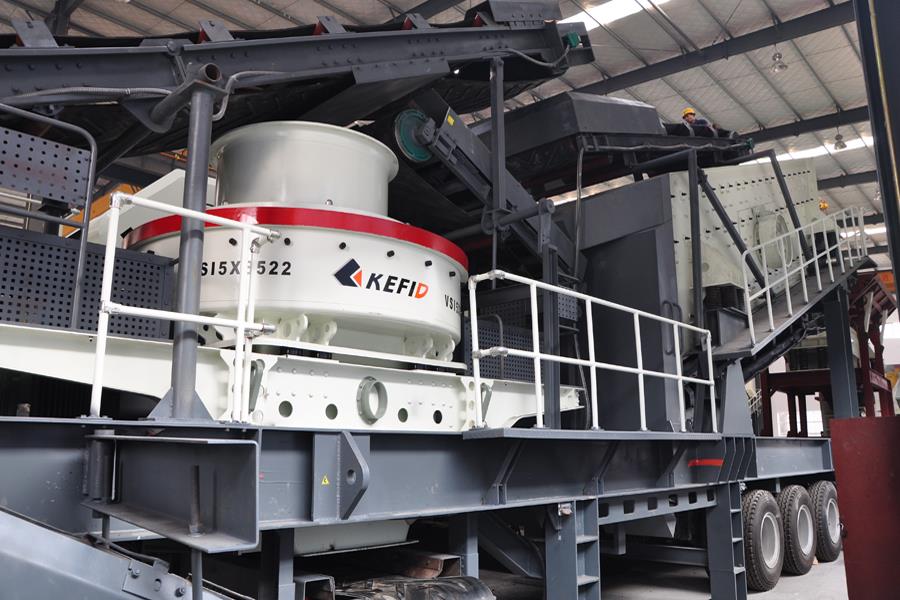
Selection Criteria for Cone Crushers and Differences Between Cone Crushers
-
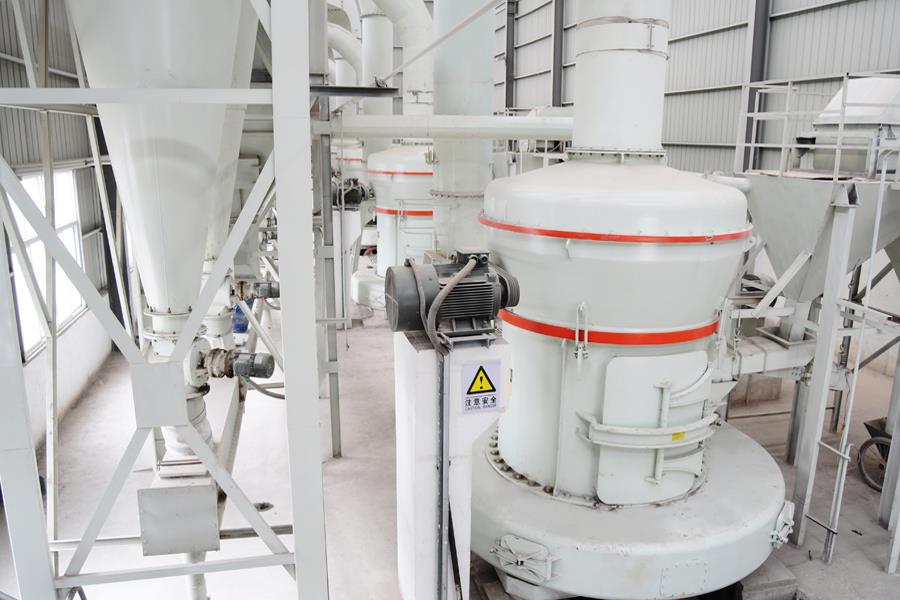
Why Choose Vertical Shaft Impact Crushers for Sand Production
-
-

-