
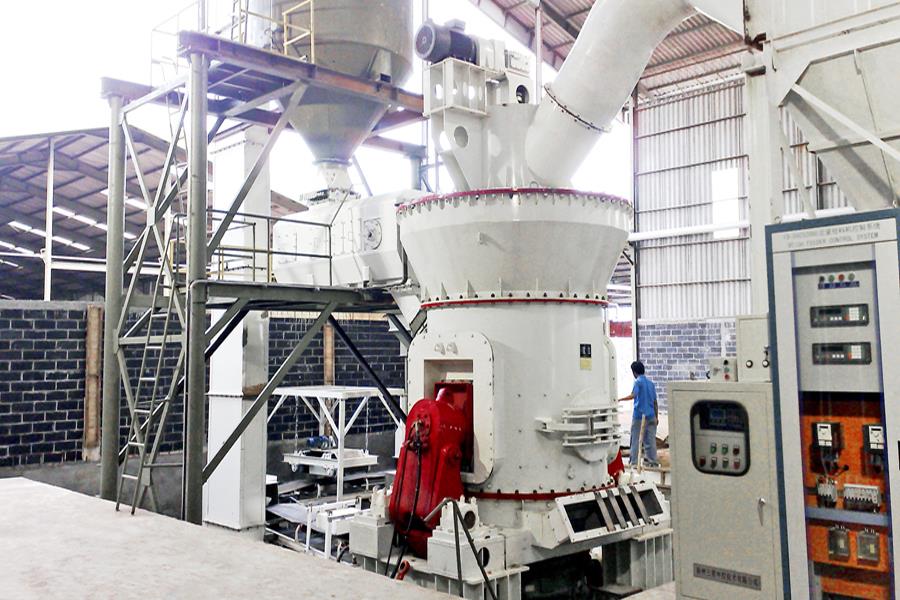
How effective is processing river pebbles with an impact crusher
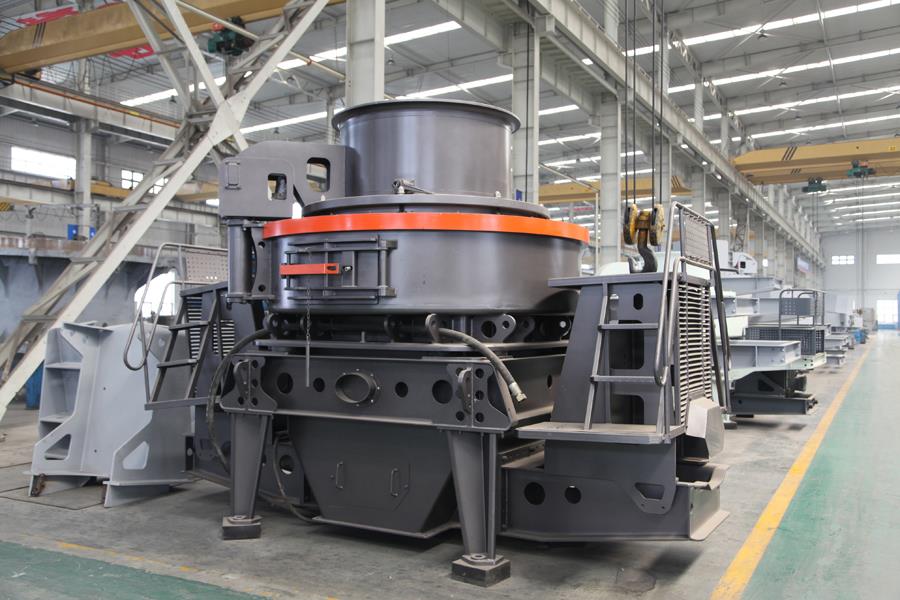
The key advantage of OCP Heavy Industry's series of vertical impact crushers (sand makers) lies in their superior performance among sand-making equipment. Compared to traditional sand-making machinery, This generation of impact sand makers is more suitable for crushing and shaping medium-hard, extremely hard, or abrasive materials. They are widely used in fine crushing and shaping operations for minerals and rocks across various industries, including metal and non-metal mines, refractory materials, abrasive ceramic raw materials, building materials, high-speed rail construction, water conservancy and hydropower projects, and private sand and gravel aggregate production. They demonstrate particularly high efficiency in sand production for high-hardness and ultra-hard materials like pebbles.
River pebbles, a type of natural stone, are abundant and cost-effective. With natural sand becoming increasingly scarce, artificial sand production from river pebbles has emerged as a new trend. After processing through crushers and sand makers, natural river pebbles can be transformed into manufactured sand comparable to natural sand. This sand finds extensive applications in building materials, construction, roadworks, water conservancy, and other fields, becoming one of the primary sand sources within the industry.
Working Principle of Impact Sand-Making Machines Processing Pebbles:
River pebble material enters the sand-making machine through the feed hopper. During operation, the rotor continuously propels the material into the crushing chamber lined with material, creating a “stone-on-stone” and “stone-on-iron” impact crushing mechanism. Material enters the crusher through the feed hopper. A portion is directed through the central feed pipe in the distributor directly into the high-speed rotating rotor, where it is rapidly accelerated. This accelerated material is then ejected at speeds of 50–75 meters per second through uniformly distributed channels in the rotor. The high-speed ejected material first collides with material falling from the outer periphery of the distributor, then impacts the material lining or impact plate within the vortex crushing chamber. Rebounding, it changes direction and combines with material ejected from the impeller channels to form a continuous material curtain.
To learn more about the performance features of sand making machines, click the website customer service for an immediate free consultation.
-
-
-
-
How often should the impact plates of an impact crusher be replaced? What factors influence this?
-
How effective is quartz stone for sand production? What supporting equipment should be selected?