Environmental Sand Production Processes: Dry Sand Making vs. Wet Sand Making—Which One Has the Edge?
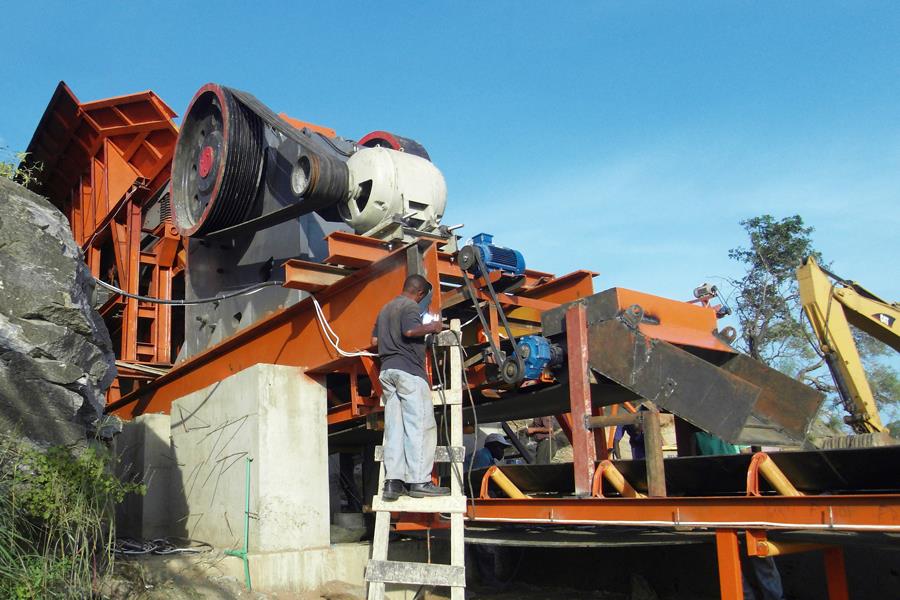
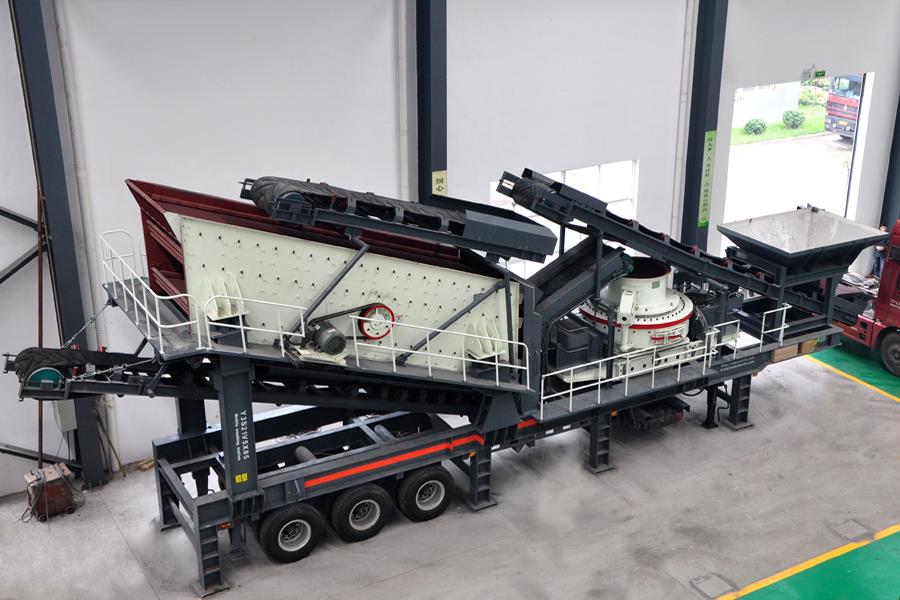
As a fundamental building material, sand finds applications in numerous fields, driving high demand. Consequently, sand production lines must deliver both high output and superior quality. In manufactured sand production lines, the primary equipment used in both dry and wet sand making processes is largely identical, consisting mainly of primary crushers, secondary/tertiary crushers, and high-efficiency sand makers. Both methods share the same objective: to enhance sand particle quality and meet the requirements for concrete and dry-mix mortar applications. The primary distinction between dry and wet sand-making processes lies in their differing approaches to handling stone powder and clay content within manufactured sand. Each method has its advantages and disadvantages. Today, we will explore the characteristics of these two processes.
1. Different Working Principles. Wet sand-making employs a water-washing method using sand washers, relying on hydraulic force to remove powder. This process significantly reduces clay content in sand particles through water washing, resulting in lower powder content in manufactured sand. Dry sand production employs negative pressure dust removal via dust collection boxes, positive pressure dust removal using classifiers, or a combination of both. It utilizes airflow to efficiently separate sand from dust, ultimately producing high-quality construction sand while collecting dust as a byproduct.
2. Different Application Scenarios. Wet sand production suits water-abundant regions near water sources. It can establish sedimentation ponds and employ filter presses to purify wastewater, achieving zero discharge and water recycling. Fine sand recovery equipment can also be added to collect fine sand from wastewater. Dry sand production is ideal for severely water-scarce areas, utilizing the equipment's own dust removal capabilities without significant water consumption.
3. Different raw material moisture content. Wet sand-making processes impose minimal restrictions on raw material moisture levels, whereas dry methods demand extremely low moisture content. The lower the moisture content, the more advantageous the dry process becomes, particularly when raw material moisture falls below 2%.
4. Different production costs. Wet sand-making consumes substantial water resources, requiring approximately 2–3.5 m³ per ton of sand/aggregate produced. Compared to wet methods, dry sand-making production costs are relatively lower, though initial investment is higher. Dry sand-making efficiently separates sand powder using airflow, eliminating the need for large-scale water washing during production or chemical flocculation for wastewater treatment.
The promotion of dry sand-making technology lagged significantly behind wet sand-making development, emerging as an advanced technique built upon traditional wet sand-making production lines. Compared to wet methods, this dry process eliminates the need for substantial water usage during sand de-dusting, primarily relying on airflow for dust removal. Aligning with green mining development trends, both wet and dry processes have distinct advantages and applications, making them non-substitutable. Selection should be based on local conditions, with both approaches evolving toward environmental sustainability. Overall, the primary advantages of developing manufactured sand processes include:
1. Wide availability of mine materials, enabling large-scale production with relatively stable finished product quality.
2. Achieving optimal gradation, controllable fineness modulus, and superior particle shape.
3. Partially replacing natural sand and gravel, reducing the intensity of natural sand mining and consumption, thereby protecting our rivers.
4. Enabling large-scale production of manufactured sand from resources like tunnel spoil through the development of large mines. Environmental protection facilities are indispensable, contributing to environmental conservation.
Whether employing dry or wet sand-making methods, production lines meeting environmental standards can achieve low emissions of dust, noise, and waste cement slurry. This delivers significant economic benefits to enterprises while generating substantial environmental gains! Should you require sand-making production line equipment or seek further information about such systems, feel free to consult us online anytime. We are dedicated to serving you wholeheartedly!
-
-
Essential Knowledge: How the Hydraulic Protection Device of Jaw Crushers Works
-
-
Principles and Process Flow for Sand Production Line Configuration
-