
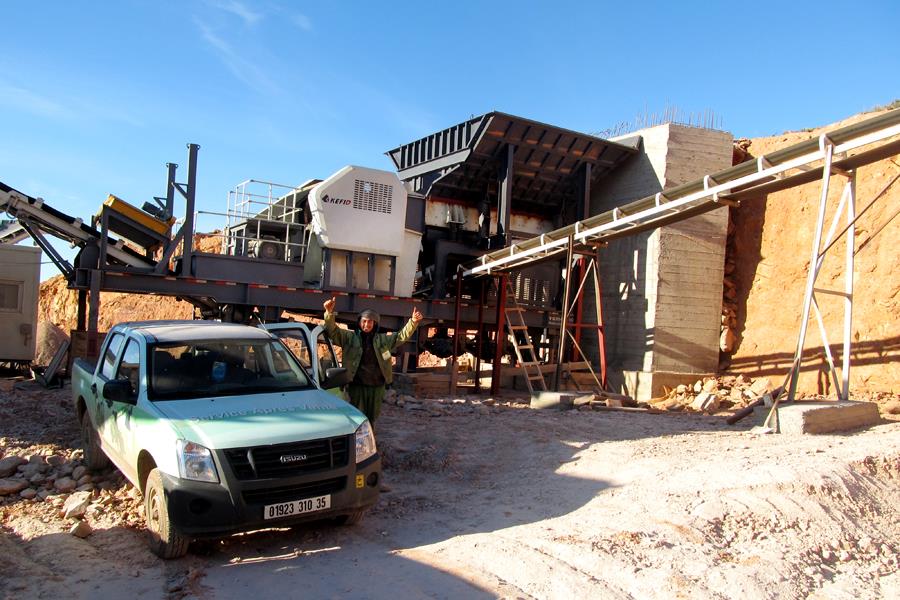
Cost comparison of hydraulic vs spring cone crusher for iron ore 188 tph
Why cone crusher selection impacts iron ore profitability in Brazil
Brazil is home to some of the world's largest iron ore operations, particularly in the Carajás region of Pará and the Iron Quadrangle in Minas Gerais. These mines process hundreds of millions of tonnes of high‑grade hematite and itabirite annually, with cone crushers playing a vital role in secondary and tertiary reduction stages. At 188 tonnes per hour, the choice between hydraulic and spring cone crushers is not merely a technical preference—it is a financial decision that affects capital expenditure, operating costs, and long‑term reliability. For Brazilian plant managers and procurement engineers, a thorough Cost comparison of hydraulic vs spring cone crusher for iron ore 188 tph is essential to optimise investment and ensure consistent production. OCP Mechanical Company, with over 40 years of direct manufacturing experience, offers both configurations and provides transparent, data‑driven comparisons to help you choose the most cost‑effective solution for your specific ore conditions—all at factory‑direct prices.
Initial capital investment and installation costs
The first dimension of any Cost comparison of hydraulic vs spring cone crusher for iron ore 188 tph is the upfront purchase price. Spring cone crushers are mechanically simpler, with fewer components, making them approximately 15‑25% less expensive to manufacture and purchase compared with hydraulic models of similar capacity. This lower initial cost can be attractive for projects with tight budgets or shorter operational horizons. However, hydraulic cone crushers incorporate advanced features—hydraulic setting adjustment, tramp iron release, and automatic overload protection—which add to their complexity and cost. Installation requirements also differ: hydraulic crushers typically require more precise foundation and piping work, potentially increasing civil engineering costs. For Brazilian sites with existing infrastructure, a spring crusher may offer a faster, lower‑cost installation. Conversely, new projects seeking long‑term flexibility often justify the higher initial outlay for hydraulic systems. All price data are for reference; final quotes depend on current steel prices and shipping to ports such as Santos or Itaguaí.
Operating costs and energy efficiency
A critical element in the Cost comparison of hydraulic vs spring cone crusher for iron ore 188 tph is the ongoing cost of operation. Hydraulic crushers generally achieve slightly higher energy efficiency—typically 3‑7% lower power draw per tonne—due to more precise setting control and reduced friction losses. Over a full year of operation at 188 tph, this can translate to thousands of dollars in electricity savings, particularly given Brazil's industrial electricity tariffs. Maintenance costs also differ: spring crushers require manual adjustment and more frequent inspections of spring compression and toggle mechanisms, increasing labour hours. Hydraulic crushers offer faster setting changes, reducing downtime during product size adjustments. However, hydraulic systems require regular oil changes and filter replacements, adding consumable costs. When you factor in all operating elements—energy, labour, hydraulic oil, and consumables—the Cost comparison of hydraulic vs spring cone crusher for iron ore 188 tph shows that hydraulic models typically have a 5‑10% lower cost per tonne over a five‑year period, despite their higher purchase price.
Maintenance frequency and downtime impact
Downtime costs are a significant hidden factor in any Cost comparison of hydraulic vs spring cone crusher for iron ore 188 tph. Spring crushers generally require more frequent adjustments to maintain product consistency as liners wear, often necessitating production stops of 1‑2 hours per adjustment. Hydraulic crushers allow setting changes on the fly or within minutes, maximising uptime. In a 188 tph operation, each hour of downtime represents approximately 188 tonnes of lost production—and potentially lost revenue. Over a year, the cumulative downtime difference can be substantial. Additionally, tramp iron events—common in Brazilian iron ore due to occasional excavator teeth or drill bits—can cause significant damage to spring crushers, requiring extended repair. Hydraulic crushers with automatic tramp release clear the chamber in seconds, resuming production almost immediately. OCP's life‑cycle cost models, available for both configurations, help you quantify these downtime risks based on your site's historical data. All technical data are for reference; actual performance depends on feed consistency and maintenance quality.
Long‑term reliability and obsolescence considerations
The final aspect of the Cost comparison of hydraulic vs spring cone crusher for iron ore 188 tph is future‑proofing. Hydraulic crushers are increasingly becoming the industry standard, with wider availability of spare parts and greater compatibility with modern automation systems. Spring crushers, while robust, may face parts obsolescence in the coming decade as manufacturers phase out older designs. For Brazilian operators planning 10‑15 year mine lives, investing in hydraulic technology offers better long‑term support and potential for retrofitting with advanced monitoring systems. OCP provides both options and can supply critical spares for either configuration, ensuring you are not left stranded. Our engineers can also advise on upgrade paths, including converting spring crushers to hydraulic systems if future needs change. All price and technical information in this article is for reference; final decisions should be based on a site‑specific analysis.
Get your custom cost comparison and quote today
Making the right choice between hydraulic and spring cone crushers requires a detailed analysis tailored to your Brazilian iron ore operation. OCP Mechanical Company offers a free, comprehensive Cost comparison of hydraulic vs spring cone crusher for iron ore 188 tph, including capital cost estimates, operating projections, and downtime analysis. Our 24‑hour online customer service team is ready to provide technical guidance and answer your questions. To receive your personalised comparison and equipment quote, simply click the chat button on our website or complete the enquiry form with your feed specifications and site conditions. Our engineers will respond within 24 hours with a detailed proposal, including both configurations, a clear price breakdown, and a projected ROI timeline. All quoted figures and parameters are for reference and subject to final confirmation. OCP's 40‑year track record ensures reliable, cost‑effective cone crusher solutions for Brazil's demanding iron ore industry. Reach out today and make a confident, data‑driven decision.
-
-
-
Troubleshooting checklist for vibrating screen for wet aggregate
-
Sand screw washer capacity calculation for dewatering 55 tph
-
How to reduce liner wear in cone crusher for serpentinite 80 tph