
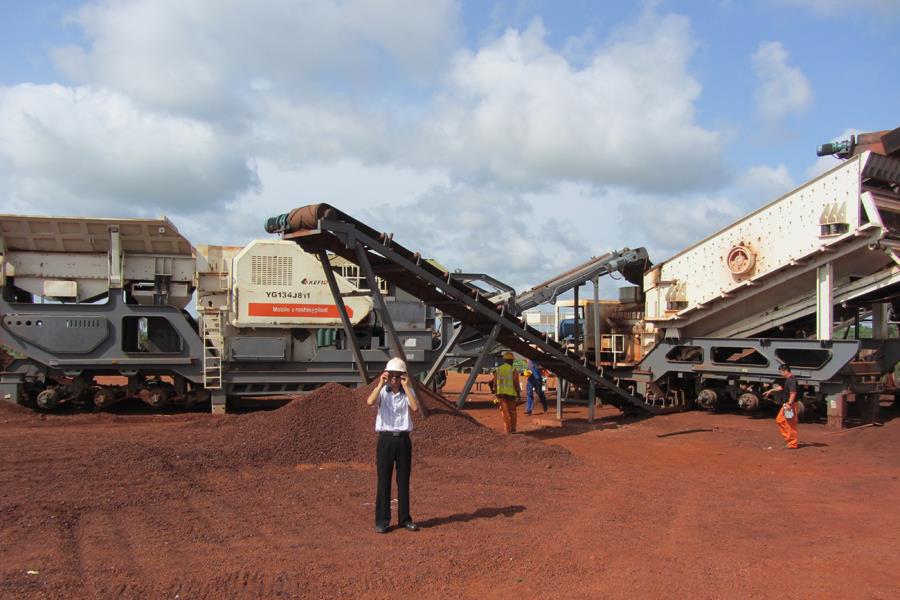
Working Principle of Small Roller Crushers
Roller crushers, also known as toothed roller crushers or double-roller crushers, operate by applying compressive force to crush materials. They are categorized into small and large models based on output capacity. Small roller crushers feature a simple structure, compact size, high crushing ratio, and low over-crushing rate. The following sections provide a detailed overview of their working principles, model specifications, and pricing.
Small roller crushers primarily consist of rollers, roller support bearings, clamping and adjustment mechanisms, and drive systems. They are suitable for medium and fine crushing of materials such as limestone, slag, coke, and coal.
Featuring long teeth, small roller diameters, spiral tooth arrangement, and a multi-disc four-tooth structure, these crushers produce powdery and granular products with low moisture content requirements.
The drive system is typically powered by two electric motors, providing greater kinetic power and reducing energy consumption by 45% for the same output capacity.
The final product is cuboid in shape with low content of needle-like and flaky particles, free of internal cracks, and features a fine particle size.
The roll shells have a long wear cycle, and wear-prone components are made of new high-strength, wear-resistant materials, enabling the crushing of high-hardness materials with minimal wear and a long service life.
Operational noise is low (<75 dB), sealing performance is excellent, and a dust collection system is included to eliminate dust pollution.
Working Principle of the Small Roller Crusher
The small roller crusher crushes material using a pair of counter-rotating cylindrical rollers. Material enters through the feed opening and falls between the two rollers, where it is crushed by compression. The processed material falls naturally. When encountering excessively hard or uncrushable objects, the rollers automatically retreat via hydraulic cylinders or springs, increasing the gap between them to allow the hard or uncrushable objects to pass through, thereby protecting the machine from damage. The two counter-rotating rollers maintain a specific gap; adjusting this gap controls the maximum discharge particle size.
Since its establishment, OCP Heavy Industry has specialized in the research, development, and production of complete sets of equipment for crushing, screening, grinding, washing, feeding, conveying, environmental protection, dust removal, as well as steel, metallurgy, and steel slag treatment and recycling. Our products are widely used in the steel and metallurgy sectors for the crushing and processing of metallic and non-metallic minerals, energy raw materials, and metallurgical waste. We have met the needs of a wide range of customers through superior product quality, high equipment operational efficiency, lower operating costs, and stricter safety and sustainability standards. Click on the website’s customer service to get a free consultation immediately—we are available 24/7.
-
-
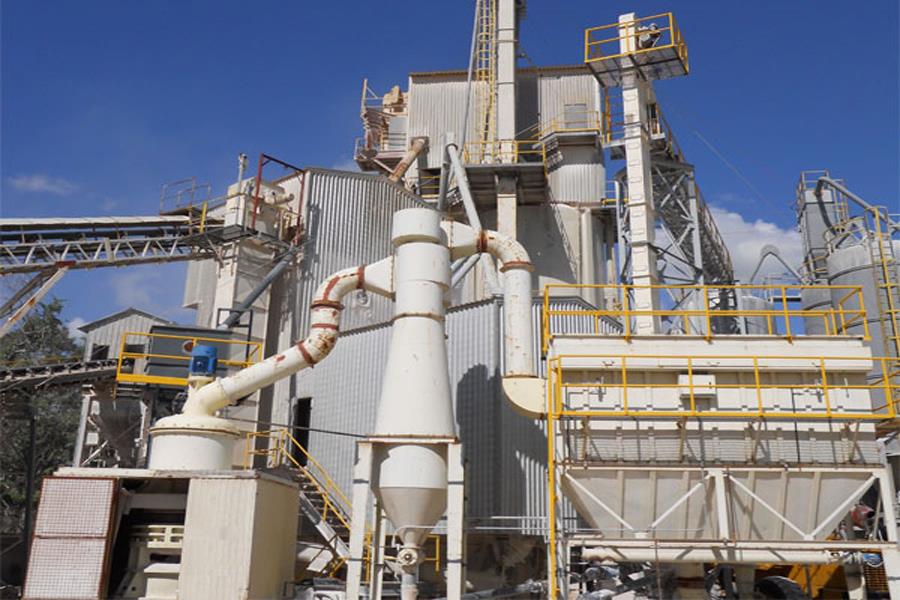
Potassium Feldspar Production Process and Processing Equipment Prices
-
-
What types of machinery are used to produce crushed stone from rocks
-
What is the daily output of sand and gravel processing equipment? What types are available?