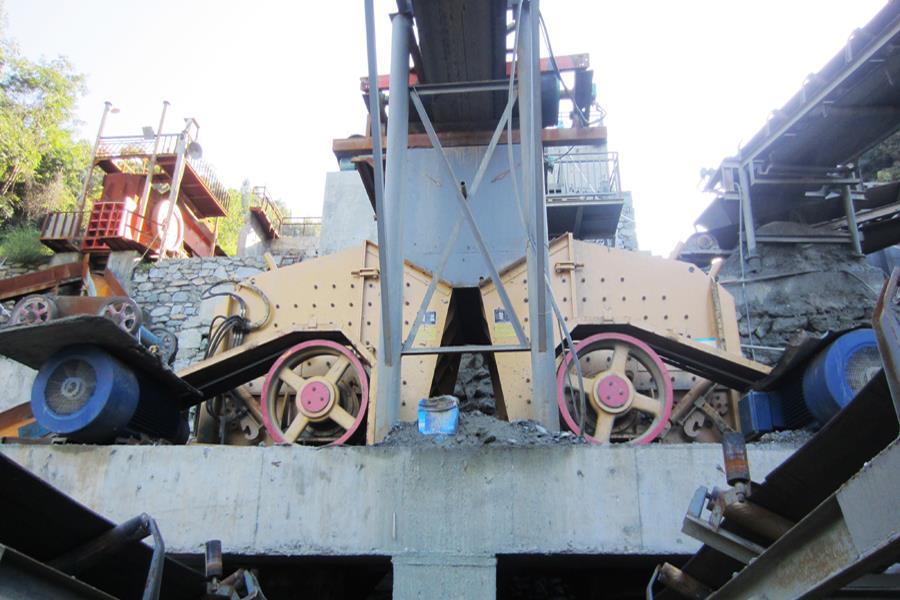
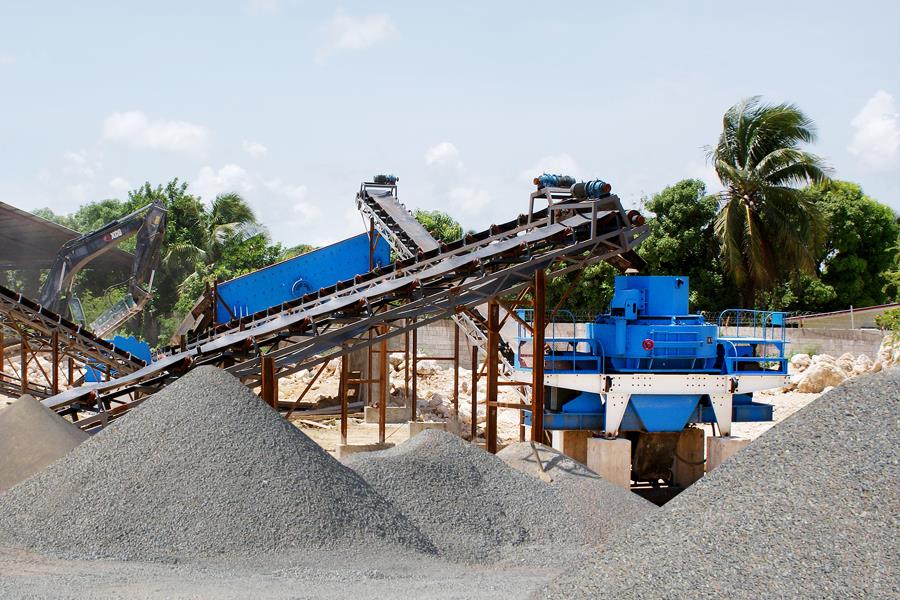
What is the daily output of sand and gravel processing equipment? What types are available?
Sand and gravel are materials with which everyone is familiar. They serve as primary construction materials for concrete and masonry structures in infrastructure, road construction, and water conservancy projects, and are processed from various types of ore. So, what is the daily output of sand and gravel processing equipment? What types are available?
The daily output of sand and gravel processing equipment ranges from 12 to 26,172 tons. (The technical parameters and other data mentioned in this article are subject to change as products are upgraded. Click on the website’s customer service to obtain the latest equipment specification sheet.)
How is the daily output of sand and gravel processing equipment calculated? This primarily depends on the equipment’s hourly output and daily operating hours. Currently, most manufacturers provide hourly output specifications. For example, a jaw crusher can process 1–1,280 tons per hour. If it operates for approximately 12 hours per day, multiplying the hourly output by the operating hours yields a daily output of roughly 12–15,360 tons. However, with the wide variety of equipment available on the market, the output capacity varies by model.
What types of sand and gravel processing equipment are available?
There is a wide variety of sand and gravel processing equipment currently available on the market. Based on output capacity, they are categorized into large, medium, and small-scale models. By function, they are classified into primary, secondary, and tertiary crushing, meeting the needs of different production scales. Common types include jaw crushers, impact crushers, cone crushers, and impact crushers. When selecting equipment, factors such as raw material characteristics, production scale, finished product requirements, and budget should be fully considered to choose the equipment best suited for your specific project.
01 Jaw Crusher
Daily Output: 12–15,360 tons
Suitable for rocks with a compressive strength of 147–350 MPa, this machine is generally used for primary crushing and is ideal for raw materials with larger particle sizes. Its core components consist of a pair of movable jaw plates (moving jaw) and fixed jaw plates (fixed jaw). A motor drives an eccentric shaft to cause the moving jaw to perform periodic reciprocating motion, applying compression and splitting forces to the material to complete the crushing process. The deep crushing chamber eliminates dead zones. Optimized motion parameters, a large lower stroke, and a higher crushing ratio ensure efficient processing. The discharge opening is adjusted via wedge blocks, allowing for adjustable and uniform product particle size. The integrated structure of the motor base and main unit simplifies installation and saves space.
02 Impact Crusher
Daily Output: 360–24,000 tons
Suitable for medium-hardness and softer ores in the secondary medium crushing stage, this machine features a heavy-duty rotor design that provides greater rotational inertia. Wedge blocks secure the hammer plates, ensuring stability during high-speed rotation, reliable operation, and easy replacement. An adjustment mechanism allows for seamless switching between primary and secondary crushing modes, ensuring the crushed aggregate has a cubic shape with minimal fines. The hydraulic system automatically adjusts the clearance between the impact frame and the hammer plates, effectively reducing labor intensity while increasing output.
03 Cone Crusher
Daily Capacity: 432–26,172 tons
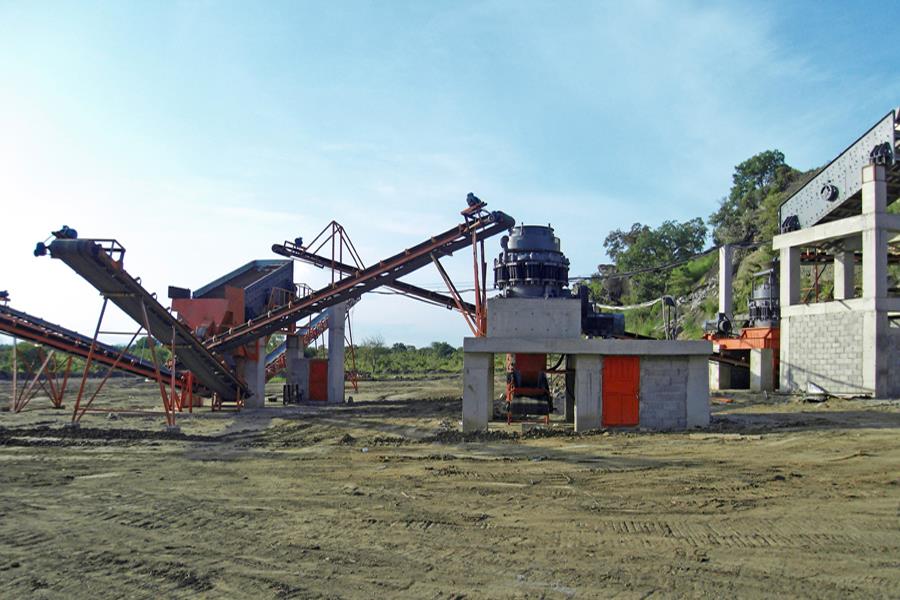
Suitable for medium-to-high hardness rocks, this crusher features a brand-new structural design, an optimized laminar crushing chamber, an intelligent automated control system, and an innovative internet-based control system. It offers high production capacity and low energy consumption. The design with a large eccentricity and high swing frequency allows the equipment to operate at lower speeds, enabling adjustments to the product gradation to produce less fine material. All major components of the main unit can be disassembled from the top or side, making operation more convenient, saving labor and time, and reducing maintenance costs.
04 Impact Crusher
Daily Output: 480–7,800 tons
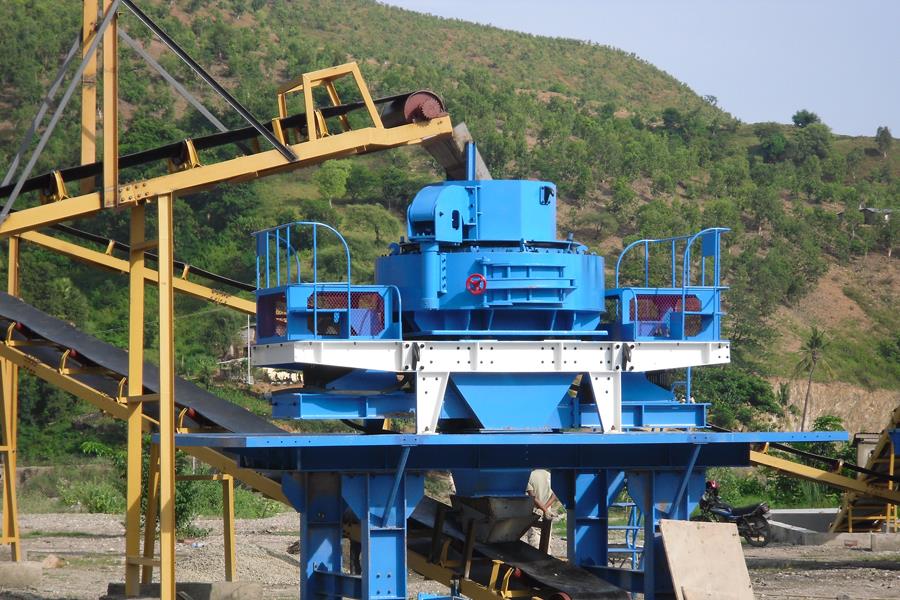
Integrating multiple crushing modes, it can perform both crushing and sand making. Improvements include a four-port impeller design and optimized impact angles within the crushing chamber, the finished product is relatively fine, predominantly polyhedral in shape with excellent particle quality. It balances the wear-resistant peripheral liners with the rock’s natural fracture points, featuring a proprietary low-wear structure that reduces maintenance costs. Coupled with a large discharge opening, material flows smoothly, preventing blockages and avoiding abnormal equipment damage. The hydraulic cover-opening mechanism facilitates inspection and maintenance.
For many years, OCP has been dedicated to serving every customer with mining equipment needs, earning the trust of our partners and achieving mutually beneficial cooperation. We ship equipment directly from stock to job sites, shortening construction cycles. We dispatch technical personnel to assist with design and construction on-site, striving for reasonable construction plans and cost reduction. For specific quotes on sand and gravel processing equipment, please inquire online or contact a manager—special offers are currently available.
-
-
Working Principle and Main Structure of the Tooth Roller Crusher
-
Configuration of a 300-Ton-Per-Hour Aggregate Crushing Production Line
-
-