Working Principle and Advantages of the Composite Crusher
The composite crusher, also known as the vertical composite crusher or vertical shaft crusher, is widely favored for its ability to perform medium and fine crushing of hard materials such as shale, glass, ceramics, bluestone, and metal ores. It offers a high crushing ratio, low energy consumption, a small footprint, convenient operation, and an economical price. This section provides a detailed introduction to the model specifications, working principle, and structure of the composite crusher.
I. Composite Crusher Model Specifications Table
The composite crusher is a new type of fine crushing/coarse grinding product developed through the optimized design of key technical parameters. It is suitable for materials with a compressive strength not exceeding 140 MPa and a moisture content not exceeding 15%. Since it lacks screen bars, it is less prone to clogging when crushing materials with high moisture content or high clay content, thereby improving overall efficiency. With an hourly output of 5–100 tons, there are five available models. For the specific composite crusher model specifications table, please consult our customer service.
II. Working Principle of the Composite Crusher
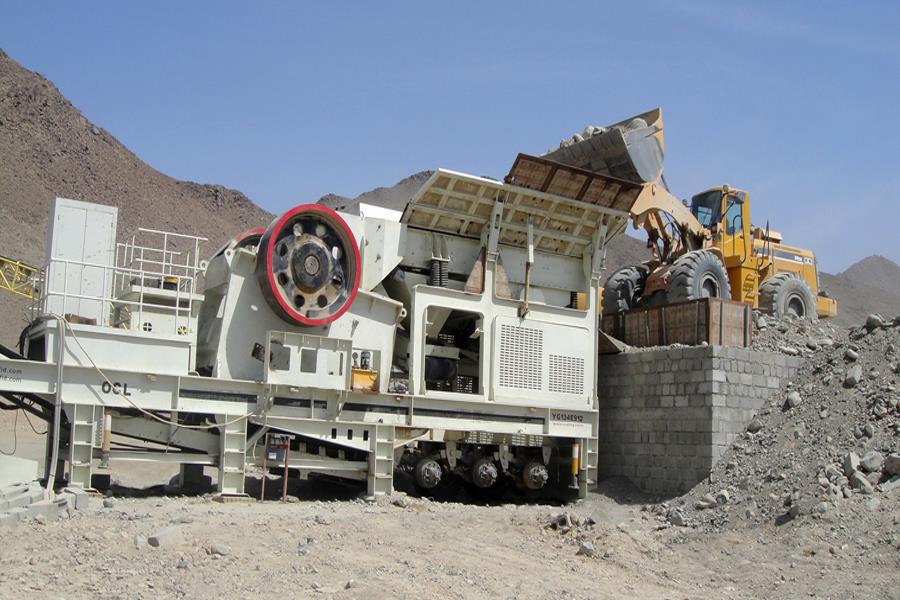
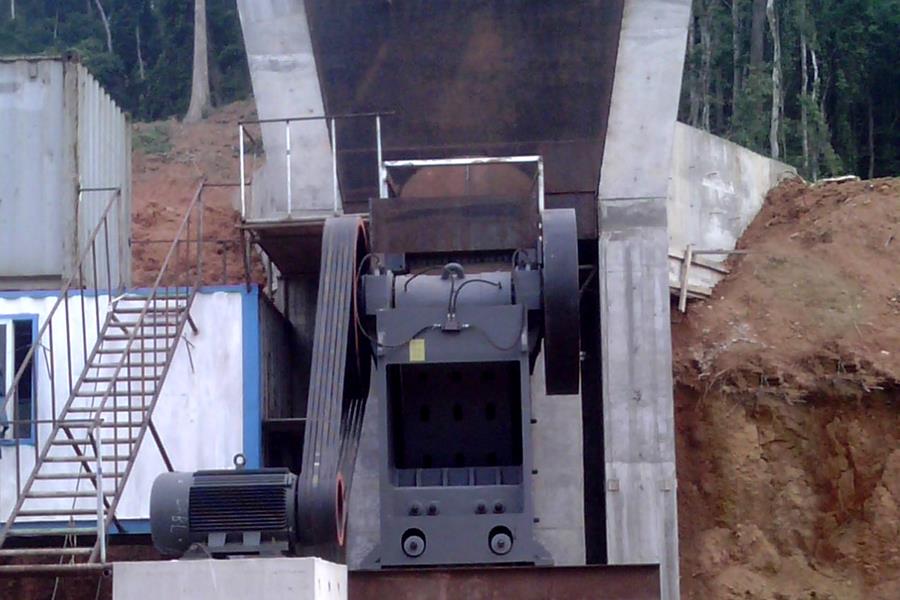
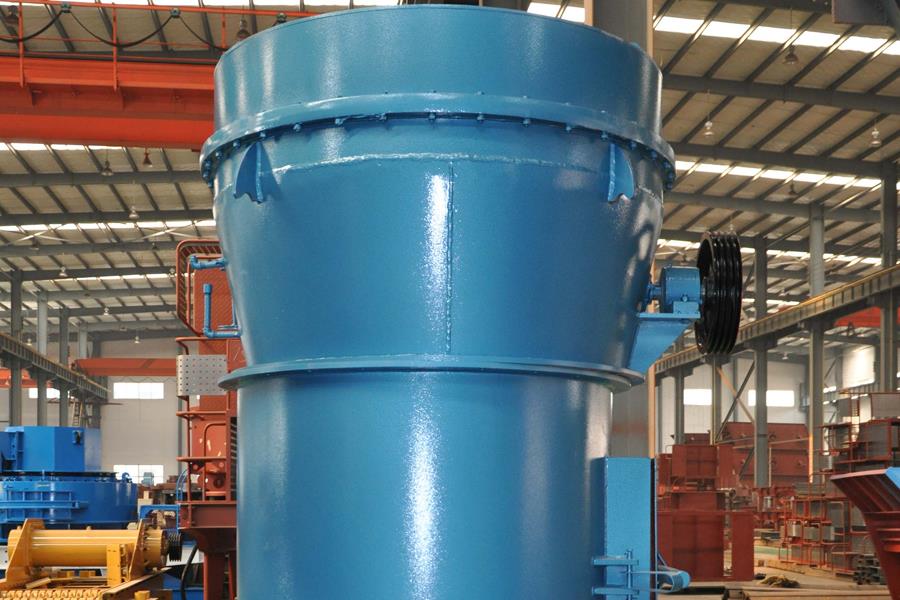
With a history spanning over a century, the composite crusher has undergone continuous optimization and innovative design of its internal structure to meet user needs and market demands. It consists of a drive unit, bearings, upper cover, liners, hammers, hammer discs, main shaft, belts, feed inlet, discharge outlet, support frame, motor, inspection door, cylinder, upper cover, and base.
Utilizing the “stone-on-stone” principle, material is fed through the top inlet and falls into the crushing chamber. It is struck by high-speed rotating hammer plates, rapidly propelled toward the impact plate, and after collision, rebounds onto the hammer plates for further impact. Simultaneously, the hammer heads drive the material to flow, generating significant mutual grinding action that further fines the material until it is crushed to the required particle size.
III. Operational Advantages of the Composite Crusher
Simple and rational structure with low operating costs; the “stone-on-stone” principle minimizes wear on vulnerable parts.
Capable of both fine crushing and coarse grinding, with a sand yield rate of approximately 80%.
Relatively environmentally friendly, with operating noise levels below 75 decibels (dB) and minimal dust pollution.
The finished product has an attractive appearance, typically cubic in shape, with high bulk density.
Wear parts are made of high-hardness, high-toughness, multi-element alloy wear-resistant materials, extending service life by 2–3 times.
With over 40 years of experience, OCP has established itself as a manufacturer dedicated to independent R&D and production. We maintain a robust quality control system to ensure equipment reliability. We have transformed the traditional industry model by supplying directly to customers at more competitive wholesale prices. For specific composite crusher pricing, please contact our manager. We welcome online inquiries and invite you to visit our factory at any time. 24/7 free online consultation available.