With so many crusher models available, are you familiar with the production capacities of the most common types
To transform ore into sand, it must undergo coarse crushing, medium crushing, fine crushing, and screening. Ore crushers are indispensable equipment in sand and gravel production. Given the varying physical properties and structural differences of ore raw materials, selecting the appropriate crusher requires a case-by-case analysis. Although crushers are categorised as primary, secondary, and tertiary, various models have been developed to achieve finer product gradation and enhanced throughput. With so many crusher models available, are you familiar with the production capacities of the most common types?
1. Jaw Crusher
Feed size: ≤1360mm
Processing capacity: 50–1500 t/h
Performance characteristics: Capable of handling large feed sizes for primary coarse crushing; integrated main unit and motor installation ensures robust reliability with compact footprint; wedge-type discharge adjustment enables stepless regulation, reducing labour intensity and downtime; steeply inclined elbow plate design maximises lower chamber stroke for enhanced output.
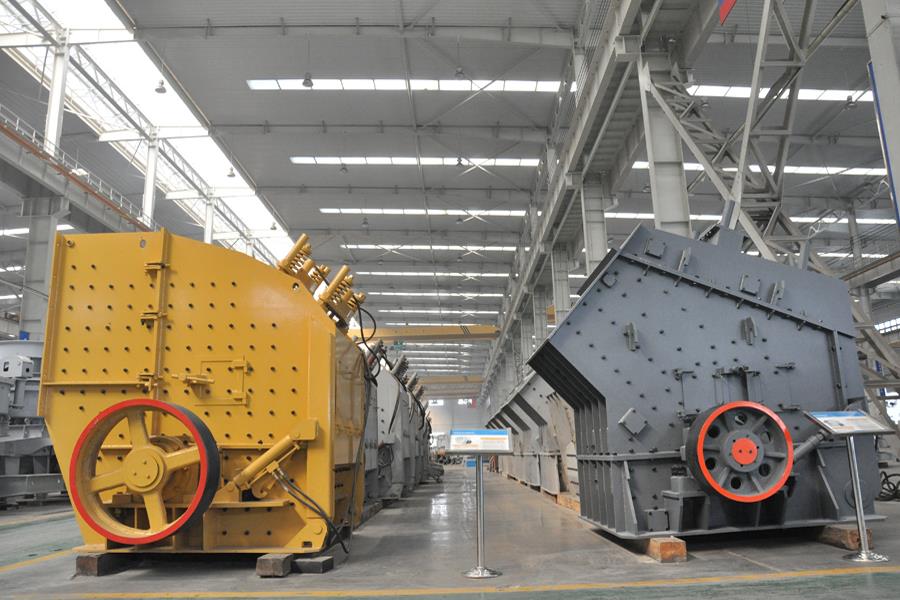
2. Impact Crusher
Feed Size: <1000mm
Processing Capacity: 50-1200t/h
Performance Features: Designed for crushing soft ores (e.g., dolomite), producing well-shaped final products with minimal fines. Primarily used in small to medium-sized quarries, though unsuitable for sand production. Users can adjust the gap between impact plates and hammers to control output particle size. Extensive use of new high-wear-resistant materials, coupled with multiple safety locking devices, extends service life, enhances safety performance, and reduces costs.
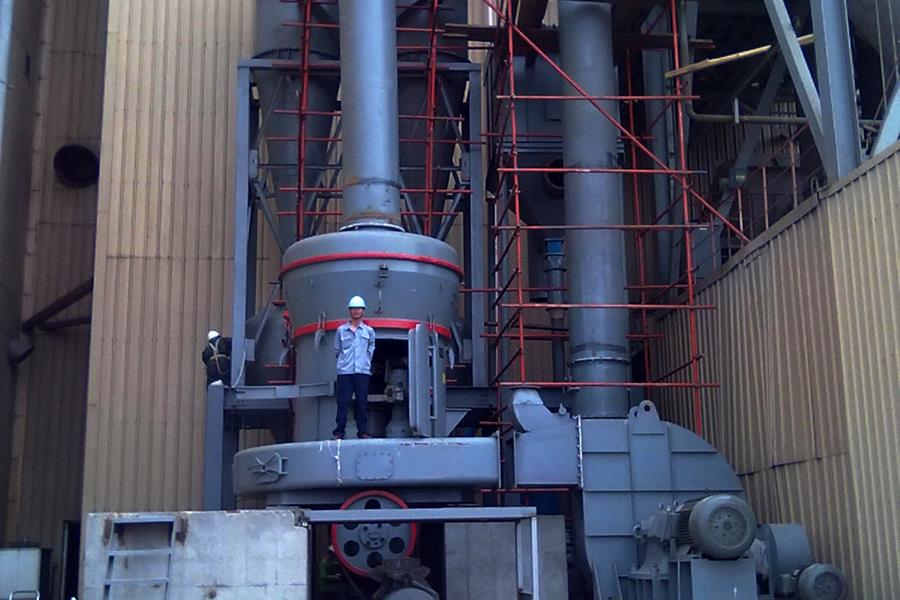
3. Hydraulic Cone Crusher
Feed size: ≤560mm
Processing capacity: 45-2176t/h
Performance characteristics: Primarily employed for crushing hard materials, offering high production capacity and crushing efficiency, suitable for large-scale quarries. Features iron overload protection and automatic chamber cleaning for stable, reliable operation. All components can be disassembled from the top and sides for convenient inspection and maintenance. Slightly higher priced but with extended service life, featuring a fully automated control system enabling effortless remote operation.
4. Hammer Crusher
Feed Size: ≤1500mm
Processing Capacity: 250-2000t/h
Performance Features: Suitable for crushing limestone and medium-hard ores with compressive strength below 200MPa. Large hammerheads and dual-power design accommodate substantial production demands. Single-stage crushing eliminates secondary processing, making it ideal for sites with limited space while reducing investment costs by eliminating the need for additional crushing equipment.
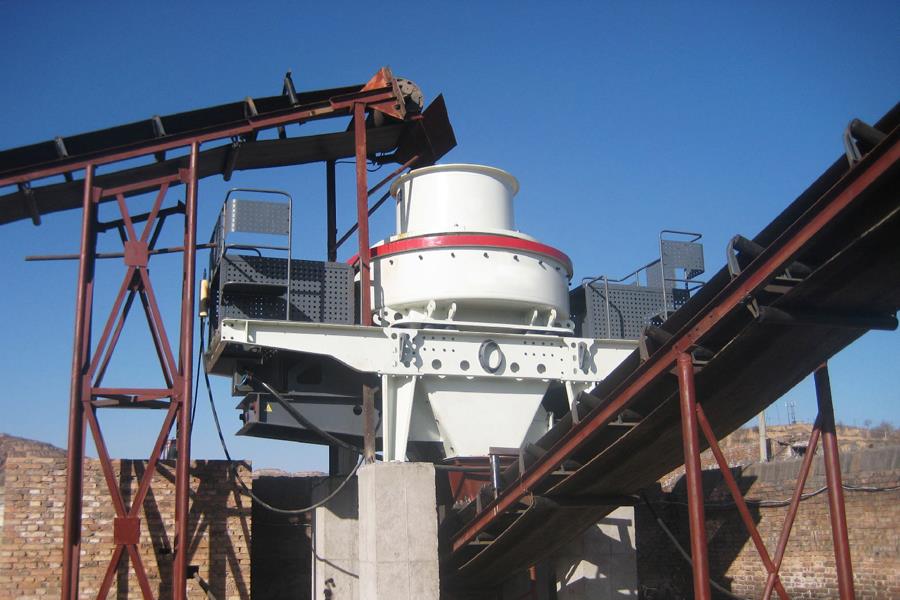
5. Impact Crusher (Sand Maker)
Feed size: ≤240mm
Processing capacity: 8–715 t/h
Performance characteristics: Employed for fine crushing and shaping of minerals and rocks across diverse industries including metal/non-metal mining, refractories, abrasive ceramics, construction materials, high-speed rail infrastructure, hydropower projects, and commercial aggregate production. Demonstrates superior performance over alternative equipment when processing medium-hard, ultra-hard, or abrasive materials such as sandstone, granite, basalt, silicon carbide, emery, bauxite, and magnesia. Featuring dual crushing mechanisms – ‘stone-on-stone’ and ‘stone-on-iron’ – within a single crushing chamber; equipped with a hydraulic roof-lifting opening device and manual/electric hoist for convenient maintenance; incorporates a PLC automatic control and monitoring system for enhanced safety and operational oversight.
(Technical specifications and related data mentioned herein are subject to updates with product upgrades. Click the website customer service link to obtain the latest equipment parameter sheet.)
Should you be interested in ore crushers or related equipment, please click on the website customer service for an immediate complimentary consultation.
-
-
How should a limestone aggregate production line with an hourly output of 650 tonnes be configured
-
How can limestone aggregate production lines meet environmental requirements
-
-