Construction Waste Recycling: Which Performs Better – Fixed Crushing Stations or Mobile Crushing Stations
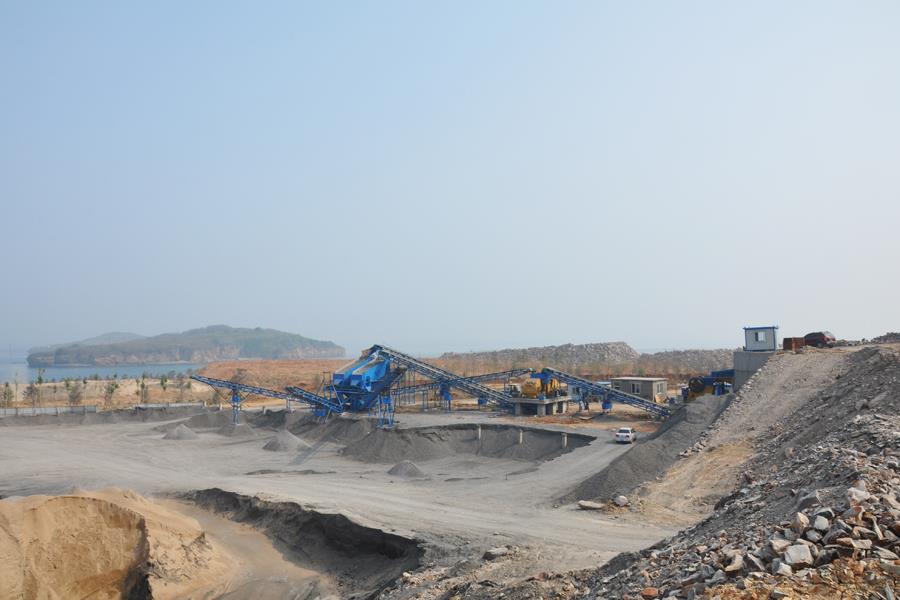
With the implementation of environmental protection strategies, construction waste previously discarded through indiscriminate dumping or landfill has been transformed into valuable resources, presenting promising prospects for construction waste recycling projects. The recovery and processing of reusable materials such as concrete and bricks from construction waste effectively resolves issues like land occupation and pollution from waste accumulation. Simultaneously, this reuse demonstrates both the environmental and economic value of these materials. In recent years, mobile crushing plants have seen increasing application in newly commissioned aggregate crushing projects and construction waste processing operations. While both fixed crushing production lines and mobile crushing plants possess distinct advantages, which ultimately proves superior?
At present, the processing workflow for construction waste primarily encompasses several critical stages: pre-treatment, crushing, screening and dust removal, and washing.
1. Pre-treatment typically employs magnetic separators to extract steel segments, iron wire, and nails, while manual sorting removes non-metallic materials such as rags, wood splinters, and paper scraps to prevent conveyor belt damage.
2. Crushing: Pre-treated materials are then subjected to crushing operations, configured as either primary or secondary crushing according to process requirements. Feed is conveyed to a jaw crusher for initial crushing, followed by secondary crushing in an impact crusher or cone crusher. Material is subsequently screened by a vibrating screen; compliant particles proceed to the next stage, while non-compliant material is returned to the crusher inlet for re-crushing, forming a closed-circuit loop.
3. Screening and Dust Removal: Fans and ducting are installed at crushers, vibrating screens, and other dust-generating points. Dust is drawn into enclosed ducts equipped with water spray nozzles. Water is atomised to cleanse dust particles; repeated spraying ensures thorough removal, creating an environmentally sound production facility.
4. Water Washing: Material meeting particle size requirements after crushing and screening undergoes washing via wheel or spiral sand washers. Coarse particles are discharged via spiral augers at the base, while the remainder overflows into settling tanks. Here, fine particles, slurry, and organic matter separate into distinct layers with clear boundaries, yielding graded aggregates of varying specifications for different recycled aggregate production areas.
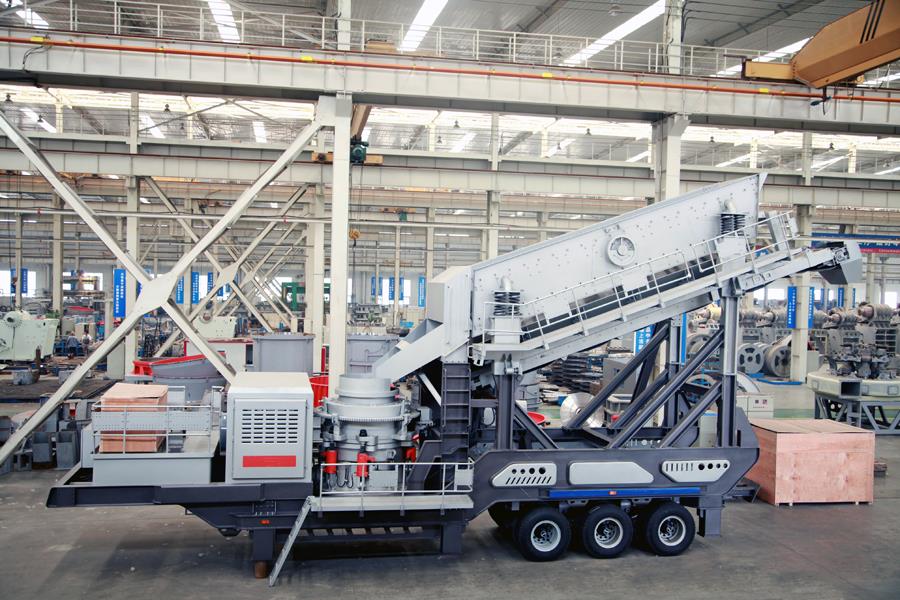
The primary distinction between mobile crushers and fixed crushing production lines lies in the mobile unit's integrated design, which combines all equipment into a cohesive system. This offers enhanced systematic efficiency and allows selection between tyre-mounted or tracked drive configurations based on site conditions, delivering significant performance advantages.
1. Integrated unit design. Strong complete-set performance with rational, compact configuration, requiring minimal workspace.
2. High manoeuvrability. Compact overall structure with small turning radius, low road transport requirements, and swift site access/deployment.
3. Energy-efficient operation. Direct entry into raw material sites eliminates transport stages, reducing material handling costs.
4. Versatile configurations. Tailored configurations are available to meet diverse client requirements. Units can operate independently or in multi-unit combinations, enabling single-unit crushing, multi-unit graded crushing, screening, and other functional integrations.
5. Dual-power operation. Generator sets can be fitted to ensure continuous operation under complex conditions such as power outages or remote locations.
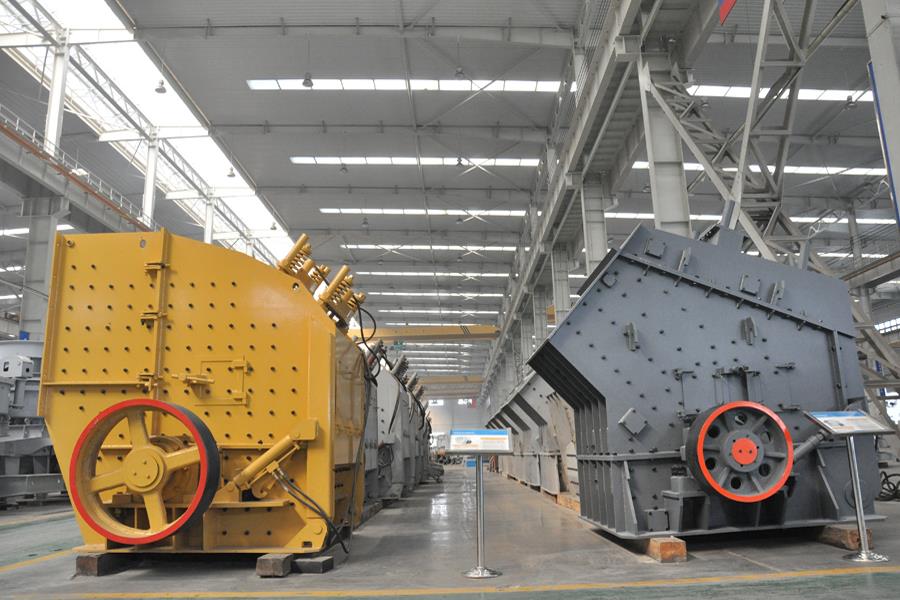
Where to purchase construction waste crushing stations? OCP Heavy Industry's mobile crushing stations integrate feeding, crushing, conveying, and screening equipment. They can be relocated according to waste location, eliminating constraints such as dedicated crushing sites, environmental restrictions, and complex foundation requirements. This reduces land occupation and requires no assembly time, enabling immediate operation upon arrival, significantly enhancing efficiency. Fixed crushing equipment excels in high processing capacity, adeptly handling construction waste with diverse and complex compositions. This approach is suitable where waste contains multiple intricate components or where on-site crushing space is available. Over the years, OCP Heavy Industry has continuously developed and innovated, introducing a comprehensive range of crushing equipment that advances urban green economic development. We warmly welcome new and existing clients to visit our factory for an on-site inspection. Click for online consultation to schedule your appointment!
-
How should a limestone aggregate production line with an hourly output of 650 tonnes be configured
-
How can limestone aggregate production lines meet environmental requirements
-
-
-