What types of small pebble crushers are available
As a natural stone material, pebbles have formed their unique shapes through thousands of years of water erosion, transportation, and impact. They possess a hard texture, primarily composed of silica, making them an ideal raw material for artificial sand production. Due to their high hardness and attractive color, pebbles are now widely used in construction and building materials sectors. As a construction aggregate, pebbles have consistently garnered significant attention across various industries. Directly mined pebbles cannot be used as-is and require a series of crushing processes. So, what type of crusher should be selected for crushing pebbles? What are its advantages?
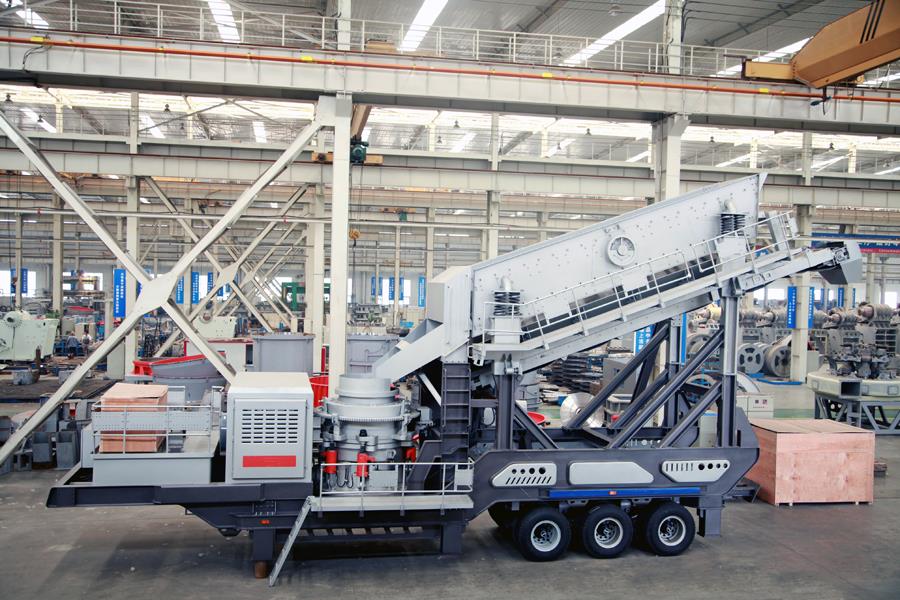
Due to the high hardness of pebbles, jaw crushers and cone crushers are generally used for their crushing. This choice stems from both machines employing the compression crushing principle, which delivers superior results for high-hardness materials. Compared to impact crushers and hammer crushers, cone crushers offer distinct advantages: their wear-resistant components are better suited for crushing, ensuring longer service life and making them ideal for pebble processing. The jaw crusher + cone crusher combination is the primary equipment configuration chosen by most sand and gravel enterprises. Its key features include suitability for crushing highly hard and abrasive materials, coupled with advantages such as high throughput, low maintenance and operating costs, and energy efficiency.
The jaw crusher, an early-generation crushing device, boasts mature technology and low investment, making it a widely used primary crushing equipment. With a high crushing ratio and strong adaptability, it is typically used in the primary crushing stage. It can reduce large pebbles to medium or smaller sizes in a single pass, making it the preferred choice for primary crushing of large pebbles. Compared to other crushing equipment, the jaw crusher is more suitable for processing pebble materials.
1. Production Capacity: Featuring a deep V-shaped cavity design, the jaw crusher expands the feed opening to increase throughput, significantly enhancing processing efficiency. This ensures consistent actual feed rates with target capacity. With adjustable discharge and feed sizes, it offers broad adaptability to meet diverse crushing requirements.
2. Equipment Structure: Through continuous optimization, the jaw crusher boasts a compact structure, small footprint, light weight, and simplified system. It is easier to operate and maintain, significantly reducing downtime while increasing output.
3. Energy Efficiency: Featuring thick jaw plates, wide jaw tooth span, high crushing bending moment, and a narrow yet deep jaw opening, it minimizes wear part consumption and extends service life. The deep-chamber double-sided jaw crusher, featuring zero suspension, negative support, and a swing structure matched to the deep-chamber design, achieves approximately 30% greater energy efficiency compared to other equipment.
4. Environmental Considerations: This crusher operates with low noise and minimal dust, contributing positively to environmental protection efforts.
OCP Machinery Heavy Industry possesses over 40 years of experience in R&D, manufacturing, and production of crushing equipment. We offer a wide range of spare parts, direct factory sales at competitive prices, and professional engineering technicians to provide specialized production guidance. Submit your production requirements to our online customer service for customized configuration plans and quotation estimates! We also welcome on-site visits and inquiries regarding crushing equipment!
-
How much does a complete set of manufactured sand equipment cost
-
What types of rock crushers are available? How to select the right model
-
What causes reduced output in crushers during actual production
-
-