What causes reduced output in crushers during actual production
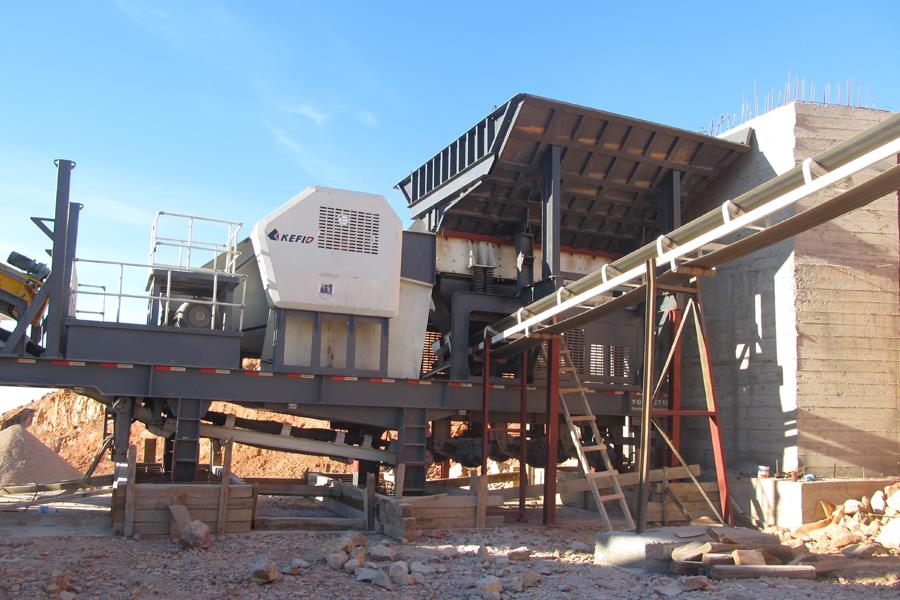
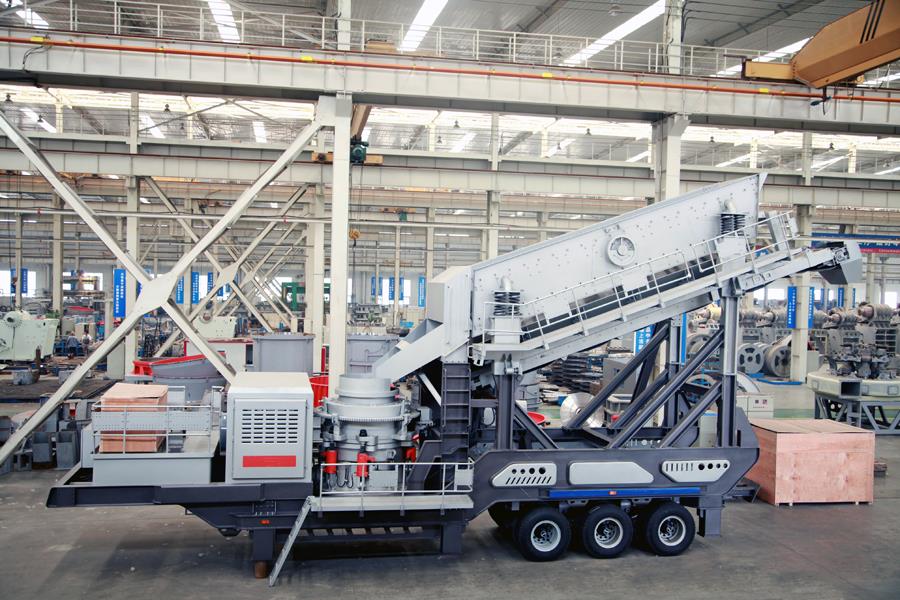
Crusher equipment plays a vital role in sand and aggregate production lines for various ores, serving as indispensable crushing machinery in modern sand-making operations. Numerous factors influence crusher output during actual production, including material hardness, moisture content, finished sand fineness, equipment maintenance, and inherent quality. Below, we delve into these factors affecting crusher productivity!
A. Material Properties
1. Material Hardness. Harder materials are more difficult to crush and cause greater wear on equipment. Slower crushing speeds naturally result in reduced crushing capacity. This necessitates selecting appropriate crushers based on material hardness: impact crushers for softer materials and cone crushers for harder materials.
2. Material Moisture Content. When materials contain high moisture, they tend to stick inside the crusher and cause blockages during discharge and conveying, reducing crushing capacity. To address this, strictly control material moisture during selection. If moisture is too high, sun-drying or air-drying methods can be used to reduce the moisture percentage.
3. Post-crushing fineness: Higher fineness requirements—demanding finer crushed particles—reduce crushing capacity. This depends on specific mineral processing plant requirements. Without special specifications, medium-fine fineness is typically sufficient.
4. Material composition: Higher fine particle content before crushing impedes processing, as these particles readily adhere and disrupt conveying. Therefore, materials with high fine powder content should undergo preliminary screening to remove as much fine powder as possible, preventing interference with the crusher's normal operation.
5. Material viscosity. Higher viscosity increases adhesion risk. Highly viscous materials may adhere to the inner walls of the crushing chamber. Failure to clean promptly will severely reduce the crusher's efficiency and may even halt normal operation. Therefore, when selecting materials, ensure their viscosity is not excessively high.
6. Wear resistance of crushing components (hammer heads, jaw plates)
The better the wear resistance of the crusher's components (hammer heads, jaw plates), the greater the crushing capacity. Poor wear resistance will reduce crushing efficiency. Regular maintenance of these components is essential. Replace any damaged or worn parts promptly to prevent disruptions to normal operation. The above represents Yingteng Machinery's collective analysis of factors affecting reduced crusher output. We hope this proves helpful.
B. Differences in Crusher Models
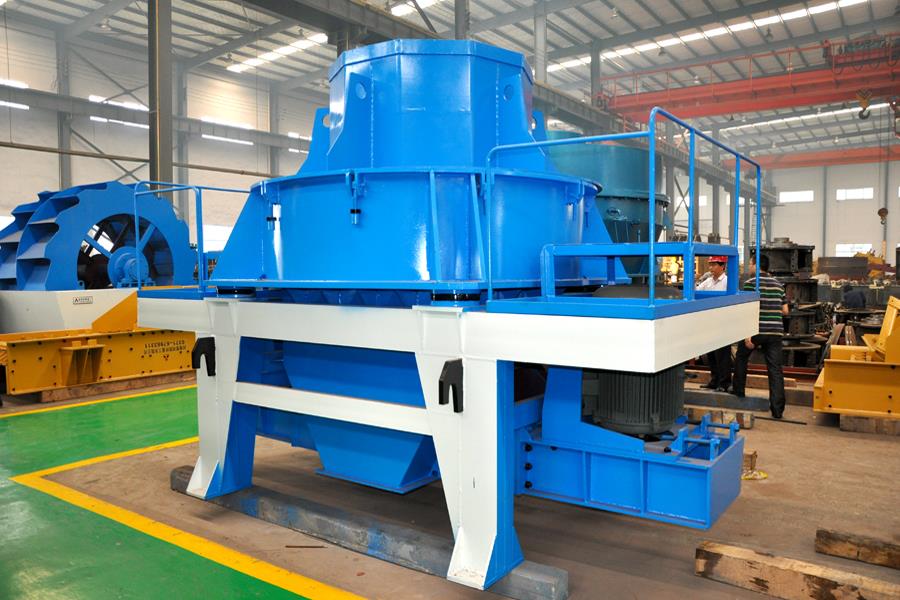
Each manufacturer's sand-making machine models exhibit distinct variations. Equipment of different models delivers varying output and energy consumption during operation. Users should thoroughly understand their production requirements when purchasing equipment to select an appropriate sand-making machine. Failure to do so may not only reduce output but also incur higher operational costs.
C. Proper Operation and Regular Maintenance
Adhering to standard operating procedures and performing routine maintenance are crucial for sand-making machines, directly impacting output. Continuous and uniform feeding significantly affects crushing efficiency—consistent supply ensures stable production and enhances productivity. Improper operation and lack of scheduled maintenance accelerate wear on vulnerable components, drastically shortening equipment lifespan and reducing output.
D. Crusher Quality
High-quality crushers are not only energy-efficient and environmentally friendly but also reliably achieve target output. Reputable manufacturers utilize advanced wear-resistant materials and cutting-edge production techniques, ensuring equipment meets user requirements.
E. Design Plan for Sand Production Line
Final output is determined by the entire production line's equipment configuration. For instance, if a 300 t/h output is required, it's not sufficient to only ensure the sand maker achieves 300 t/h. The processing capacity of preceding equipment—such as jaw crushers, cone crushers, and belt conveyors—must also be matched accordingly. Otherwise, the final output will inevitably fall short of requirements. A production line's configuration must comprehensively consider all factors to meet production demands.
In actual production, reduced crusher output is significantly influenced by the above five factors. Users should comprehensively evaluate their production conditions when selecting equipment to identify the most suitable crushing solution for their materials. Concurrently, enhanced material screening, standardized operation, and regular maintenance and inspection of crusher equipment are essential.
OCP Machinery Heavy Industry possesses over 40 years of experience in the R&D, manufacturing, and production of crushing equipment. We offer a wide range of crusher spare parts, direct factory sales at competitive prices, and professional engineering technicians to provide expert production guidance. Submit your production requirements to our online customer service for customized configuration plans and quotation estimates! We also welcome on-site visits and inquiries regarding crusher equipment!