What types of rock crushers are available? How to select the right model
Rocks in their natural state are often large in size. Even after blasting and mining, larger pieces require suitable crushing equipment to break them down. Rock crushers are categorized into primary, secondary, and tertiary crushing based on feed and discharge particle size. Common sand and gravel processing equipment includes jaw crushers, impact crushers, composite crushers, cone crushers, and vertical shaft impact crushers. Below, we'll take a closer look at each!
1. Primary Crushing — Jaw Crusher
The jaw crusher is a common primary crushing equipment in mineral processing. Primarily used for breaking large, high-hardness ore materials, it offers a processing capacity of 7–1500 t/h. This equipment features a unique crushing chamber design, superior operational characteristics, high throughput, large crushing ratio, high crushing efficiency, durability, simple installation and maintenance, and energy efficiency. It is widely applicable for coarse crushing of various materials in construction, building materials, transportation, mining, chemical, and water conservancy industries.
2. Medium and Fine Crushing — Impact Crusher
The impact crusher, commonly abbreviated as impact breaker, serves as secondary crushing equipment. It is primarily used for medium and fine crushing operations with a processing capacity of 50–1200 t/h. Operating on the principle of impact crushing, materials undergo repeated collisions between impact plates and counter plates for fragmentation. Primarily suited for soft materials like limestone, coal gangue, and weathered rock, it is commonly employed in small to medium-sized quarries. It is widely applicable for processing construction aggregates in infrastructure projects such as water conservancy, high-speed rail, building materials, and mining, as well as for medium crushing of urban construction waste.
3. Medium and Fine Crushing — Cone Crusher
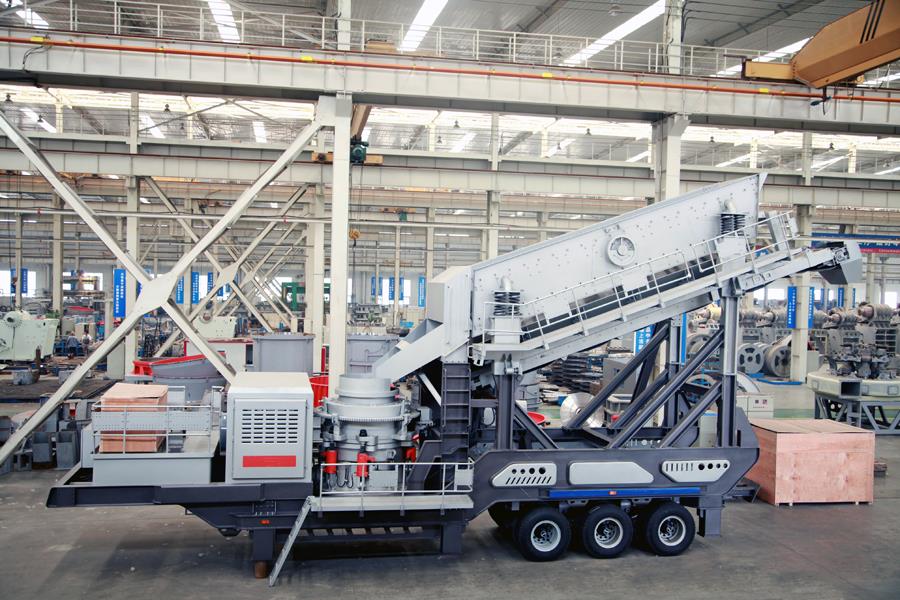
The cone crusher serves as secondary crushing equipment, differing from the impact crusher by handling medium-hard and harder materials with a processing capacity of 45-2188 t/h. It employs the principle of layer compression crushing, where materials undergo layered crushing between fixed and movable liners. producing well-shaped particles. They are widely used for medium and fine crushing of various hard materials like granite, iron ore, and basalt in industries such as metallurgy, mining, sand and gravel aggregates, and cement mining.
4. Fine Crushing & Sand Making — Compound Crusher
The compound crusher is suitable for sand production, employing both impact and grinding mechanisms to achieve multiple crushing stages with minimal grinding. This energy-efficient design is ideal for fine crushing, handling capacities of 8-200 t/h. It is widely applicable for fine processing of various solvent raw materials in steel metallurgy, as well as crushing medium-hard rock minerals in construction, building materials, and chemical industries.
5. Sand Making and Shaping — Vertical Impact Crusher
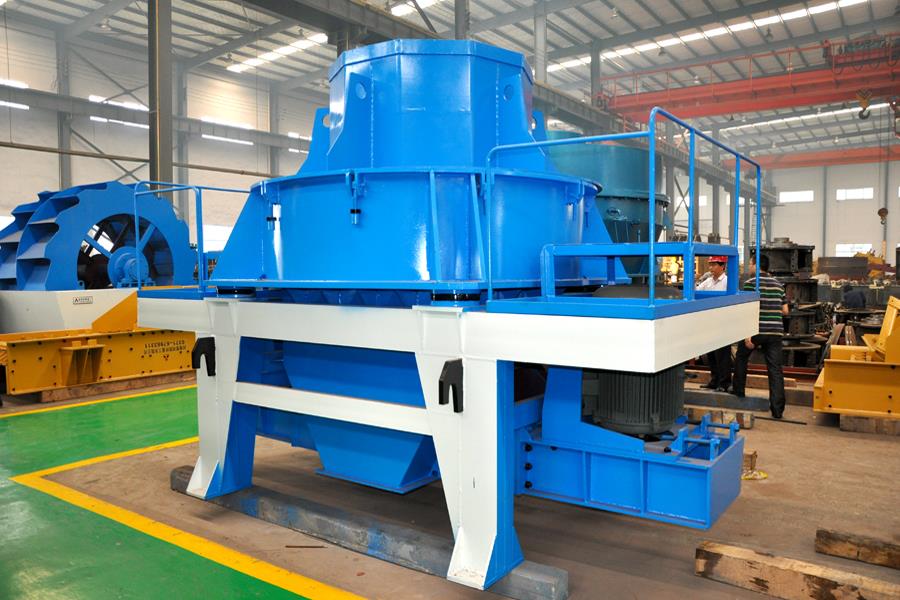
The vertical impact crusher is suitable for sand making and shaping. Operating at high speeds exceeding 80 m/s, it performs secondary fine crushing and shaping of coarse sand particles in the sand and gravel aggregate processing industry. This optimizes the gradation of finished sand, reducing the fineness modulus. Processing capacity: 16–715 t/h. Widely applied in fine crushing and shaping operations for minerals and rocks across diverse industries including metal and non-metal mining, refractory materials, abrasive ceramic raw materials, building materials, high-speed rail construction, hydropower projects, and private sand and gravel aggregate production. It demonstrates particular superiority over other equipment when processing medium-hard, ultra-hard, or abrasive materials such as sandstone, granite, basalt, silicon carbide, emerald, bauxite, magnesia, and similar materials.
(Technical parameters and data mentioned herein may be updated with product upgrades. Click website customer service for the latest equipment specifications.)
How to Select the Right Rock Crusher Model?
Performance varies across different models. Generally, both feed capacity and final particle size depend on the model, resulting in different crushing ratios and significant variations in overall production capacity. Selection must be based on actual requirements (characteristics of sand-making raw materials, production capacity needs, power requirements, equipment location, output particle size, and application field of finished products). Only after confirming all aspects of demand can manufacturers configure a reasonable sand and gravel production line according to specific conditions. Therefore, when selecting crusher equipment, choose the one that best suits your needs.
Feel free to click for online consultation anytime. Our technical managers will provide detailed specifications tailored to your requirements, assist with scientific equipment selection, and introduce related products. We also cordially invite you to visit our factory for an on-site inspection.
-
What causes reduced output in crushers during actual production
-
-
-
How much does a 200-ton-per-hour mobile crushing production line cost
-