What Key Points Should Be Considered in the Design of a Mechanically Produced Sand Production Line
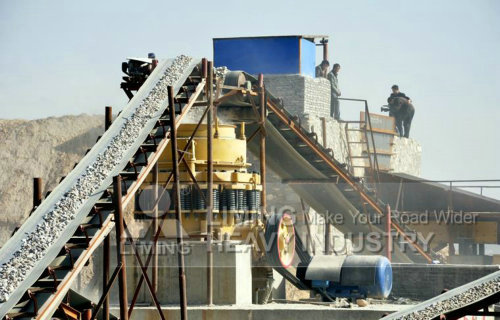
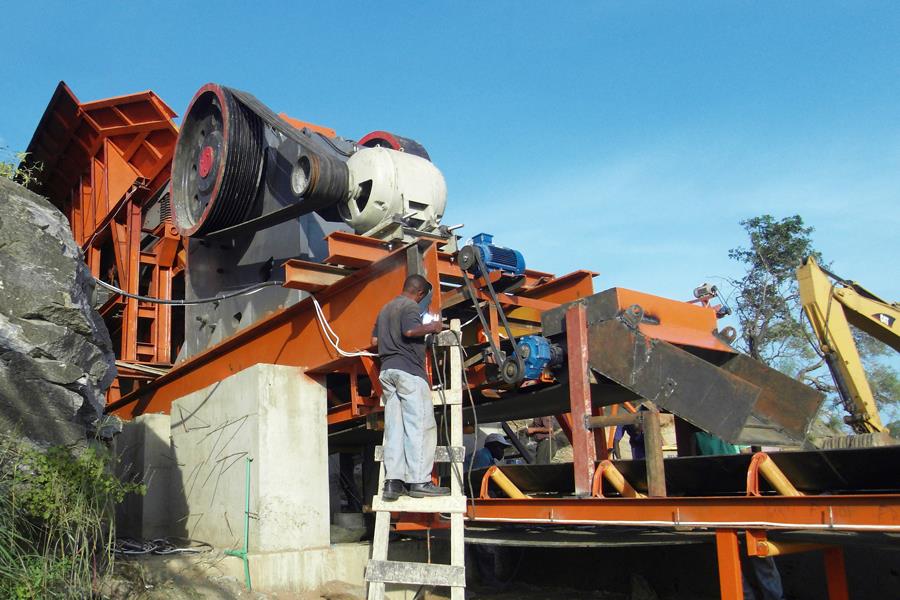
Faced with the demands of the sand and gravel market and increasingly stringent environmental regulations, it is crucial to focus on equipment selection and the efficient, eco-friendly design of production lines. So, what key points should be considered in the design of a mechanically produced sand production line? Today, we'll explore some essential considerations:
1. Install Intermediate Material Storage Shelters
Intermediate storage shelters help regulate the overall system capacity of the aggregate production line. During maintenance of the primary crushing section, downstream aggregate processing operations can continue without interruption. When mining operations are limited to day shifts, downstream aggregate processing can still operate on two shifts while reducing the number of required equipment units. Adjusting system capacity through shift scheduling minimizes investment and maximizes the efficiency of each piece of equipment.
2. Maximizing Topographical Elevation Differences
An outstanding production line design minimizes both construction investment and operational costs. By adapting to local conditions and fully utilizing elevation differences for process layout, not only are civil engineering and equipment investments reduced, but production operating costs are also lowered.
3. Incorporating Pre-Screening Before Medium/Fine Crushing
When raw materials contain clay, thorough removal via screening alone is often challenging. Integrating pre-screening allows for the separation of clay-laden waste below a certain particle size during high-clay-content feed. Crucially, it prevents aggregates smaller than the required size from undergoing unnecessary medium/fine crushing after primary crushing. This enhances overall system output while minimizing the generation of powdery fines.
4. Single-layer Vibrating Screen with Spray Washing for Finished Products
The purpose of spray washing on the primary vibrating screen in semi-dry sand and gravel aggregate production lines is to remove some soil and pre-wet materials that are difficult to clean, allowing muddy materials to soften in advance. The secondary and tertiary finished product vibrating screens are designed as single-layer units. Their spray washing aims to ensure each material product has direct contact with clean water, thereby improving the cleanliness of the aggregate products.
5. Sand and Gravel Washing System
For slurry wastewater containing significant amounts of coarse-grained silt and sand, slurry pumps are unsuitable for conveyance. Instead, wastewater flows by gravity through channels to the sand washer. Careful consideration must be given to the flow distance and channel angles. Ideally, position the sand washing workshop on a lower platform than the vibrating screen workshop. Construct channels as U-shaped troughs to minimize friction. Install water-drainage screens at both the sand washer discharge and cyclone group discharge points to prevent excess moisture content in materials entering the finished product stockpile, which could impact product sales.
6. Waste Cement Material Processing System
When treating slurry-laden wastewater from sand washing into the thickener, the chemical dosing point must be strategically positioned with precise dosage to optimize thickener system performance. A buffer mixing tank should precede the filter press to accommodate continuous slurry pump operation after thickening and the intermittent cycle of the filter press. Filter press capacity selection must fully account for required processing time per cycle and target cake moisture content.
7. Product Storage and Shipping
Key design considerations for this stage include installing suitable discharge equipment beneath each stockpile, along with at least 1–2 weighing scales. This facilitates adjustment of sand and gravel gradation to meet customer requirements for aggregates of varying particle sizes.
8. Environmental Protection
Design must incorporate dust prevention and collection measures, noise control, wastewater treatment, and slurry disposal to enhance environmental protection.
The above outlines key considerations for designing manufactured sand production lines. In actual production, aggregate processing techniques and equipment configurations vary widely. Specific designs should be tailored to local conditions and customized to meet production requirements. We welcome inquiries about aggregate production lines at OCP Heavy Industry. Our professionals are ready to provide dedicated assistance! Click the website chat icon for immediate free consultation—available 24/7.
-
What should be noted when feeding materials into a vibrating screen during operation
-
Daily Maintenance of the Lubrication System for Hydraulic Cone Crushers
-
On the Evolution and Application of Hammer Mill Hammer Heads
-
Product Features and Selection Guide for Y Series Vibrating Screens
-