What factors should be considered when selecting a hydraulic cone crusher
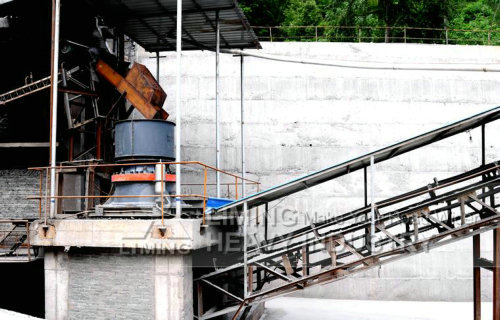
Hydraulic cone crushers are typically used for secondary and tertiary crushing, widely applied in medium and fine crushing operations of various hard minerals and rocks. They offer high crushing efficiency and can fully meet diverse customer crushing requirements. Hydraulic cone crushers feature simple construction, low manufacturing costs, high production capacity, ease of maintenance, superior hydraulic adjustment and overload protection, and particularly facilitate automated control. Primarily employed for secondary crushing of high-hardness materials, they significantly aid production in mining, construction waste processing, power plants, chemical, and metallurgical industries. With multiple machine types available, they can fulfill diverse production requirements. Hydraulic cone crushers are categorized into multi-cylinder and single-cylinder types. Each variant possesses distinct performance characteristics to address different production requirements. This analysis focuses on the differences between these two hydraulic cone crusher series.
As indicated by their names—“Single-Cylinder Hydraulic Cone Crusher” and “Multi-Cylinder Hydraulic Cone Crusher”—the most obvious distinction lies in the number of cylinders. Naturally, the multi-cylinder series offers higher efficiency due to its larger contact area with the material. However, this alone does not imply superiority over the single-cylinder model; other factors must also be considered. Additionally, the distinction between these cone crushers manifests in the single-cylinder hydraulic cone crusher's simpler structure, fewer components, aesthetically pleasing design, ease of maintenance, and suitability for automated control. Its drawbacks include relatively lower efficiency and the star-shaped arm on the upper frame being a potential weak point. Furthermore, this machine adjusts by raising or lowering the moving cone. Consequently, if feed is uneven during production, uneven wear may occur on the concave liner.
OCP Heavy Industry manufactures the P Series single-cylinder hydraulic cone crushers and the HPY Series multi-cylinder hydraulic cone crushers. The single-cylinder hydraulic cone crusher represents a high-end product seamlessly integrating mechanical, electrical, and hydraulic technologies with material crushing expertise. This equipment features a high-strength cast steel frame, alloy-forged main shaft, and high-precision curved helical gear transmission structure, combined with multiple cavity options and an intelligent operational control system. They feature high efficiency, high automation, high load capacity, broad adaptability, low operational noise and vibration, low installation costs, and low operating expenses. Compared to similar models, the HPY series multi-cylinder hydraulic cone crushers offer greater production capacity, higher crushing ratios, superior product particle shape, lower energy consumption, enhanced automation, high reliability, simplified operation and maintenance, and reduced wear part costs. The HPY series multi-cylinder hydraulic cone crusher is widely applicable for medium and fine crushing of various minerals and rocks in industries such as metallurgy, mining, sand and gravel aggregates, and cement mining. It can process materials including river pebbles, granite, basalt, limestone, dolomite for construction concrete aggregates, as well as non-ferrous and ferrous metal ores.
After analyzing the differences between single-cylinder and multi-cylinder cone crushers, selection criteria beyond production capacity—such as price—should be considered. Generally, if both types meet production requirements, the single-cylinder cone crusher is preferred. Its performance gap relative to multi-cylinder models results in lower pricing, making it more suitable for users with lower investment needs. This article primarily highlights the distinctions between different hydraulic cone crushers, with the most significant difference being the number of crushing cylinders. Consequently, production efficiency and pricing vary accordingly. When making a selection, production capacity should be the primary consideration, followed by price. However, production capacity is not the sole factor to consider when purchasing a cone crusher, nor is price. A comprehensive evaluation is necessary.
(Technical parameters and other data mentioned in this article may be updated with product upgrades. Click the website customer service to obtain the latest equipment parameter sheet.)
We welcome you to visit OCP Heavy Industry for an on-site tour of our facilities and crushers, and to consult with our experts on crusher selection. Our professionals will recommend the most suitable crusher based on your material properties and regional production characteristics! Click the website customer service button for a free consultation now—available 24/7.
-
-
What are the advantages of using a cone crusher for crushing granite
-
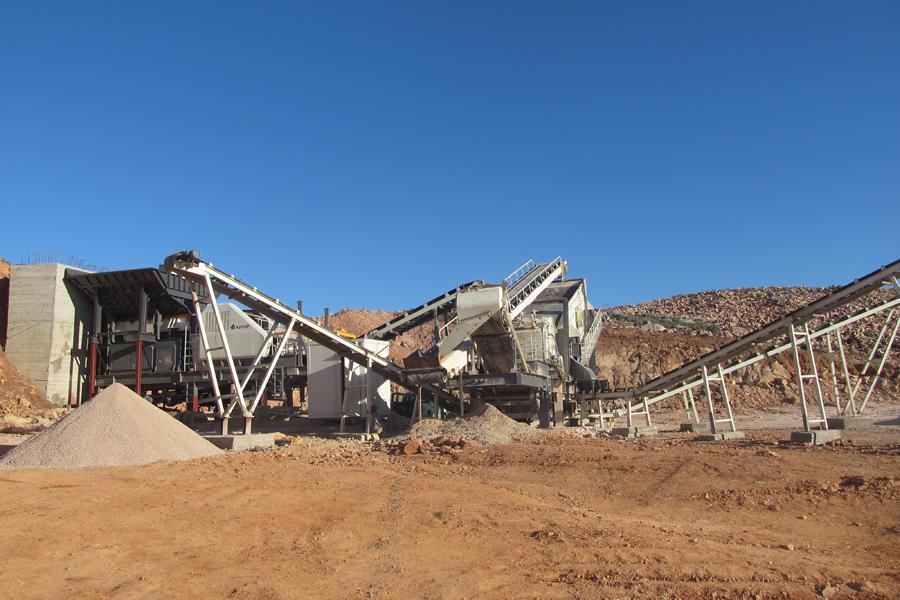
The Competition Between Fixed and Mobile Crushing Plants in the Sand and Gravel Aggregate Industry
-
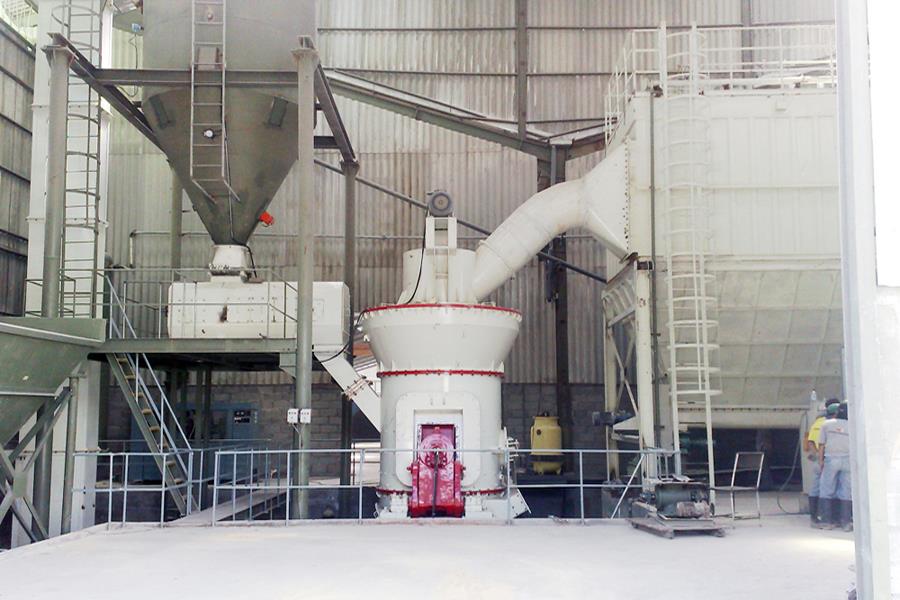
Process Analysis of Limestone Crushing Production Line Configurations
-