
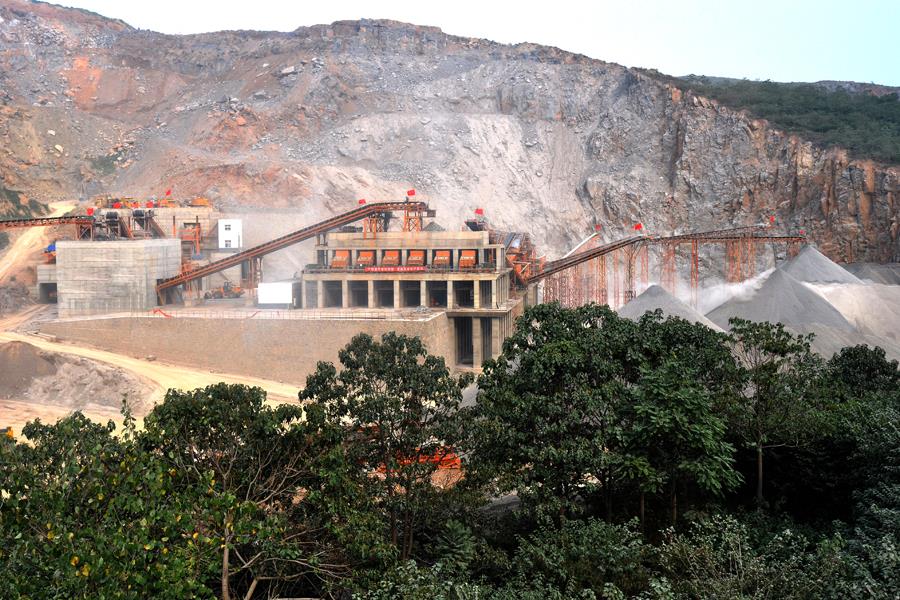
What distinguishes primary crushing equipment such as jaw crushers and hammer crushers
Jaw crushers are extensively employed across diverse industries including mining, construction materials, highways, railways, water conservancy, and chemical engineering for the primary crushing of various minerals and rocks. They perform coarse reduction on diverse ores and large-sized materials.
Hammer crushers are principally utilised for stone crushing within the construction materials sector, highway and railway construction, and other industries requiring processed aggregates. This product is suitable for crushing medium-hard and softer materials such as limestone, gypsum, bricks, slag, coal gangue, salt, chalk, etc. It can directly reduce feed sizes of 750-1500mm to approximately 20mm.
Differences between Jaw Crushers and Hammer Crushers
1. Distinct Appearance and Working Principles
Although both jaw crushers and hammer crushers can serve as primary crushing equipment, they exhibit significant differences. Firstly, their external designs vary considerably. Secondly, their crushing principles differ fundamentally. The jaw crusher employs a compression crushing method, utilising a crushing chamber formed by two jaw plates—a moving jaw and a stationary jaw. This mechanism mimics the motion of an animal's jaws to achieve material fragmentation, hence its colloquial name ‘tiger's mouth’.
Hammer crushers primarily rely on impact action for crushing. Upon startup, the motor drives the rotor to high-speed rotation. Material entering the hammer crusher chamber is broken down through the impact, shearing, tearing, and mutual collision of rotating hammers, combined with the counter-impact from the liner plates.
2. Differences in Crushable Materials
Jaw crushers can process a wide range of materials, both soft and hard, including granite, quartzite, diabase, river pebbles, and iron ore.
Hammer crushers are primarily suited for medium-soft ores with compressive strengths generally below 200 MPa, such as limestone, bluestone, and coal gangue. When processing hard materials, hammer crushers experience accelerated hammer wear, necessitating frequent replacement of wear parts and resulting in economic wastage.
3. Different discharge adjustment methods
Jaw crushers offer multiple adjustment options. The OCP Heavy Industry European-style jaw crusher features three adjustment methods: shim plate adjustment, wedge adjustment, and hydraulic cylinder adjustment.
Hammer crushers adjust output particle size by replacing the bottom screen plate.
4. Production line configuration differences
Generally, jaw crushers produce uneven output particle sizes, necessitating secondary crushing in a subsequent stage. Common combinations with jaw crushers include:
- Jaw crusher + impact crusher
- Jaw crusher + cone crusher
Hammer crushers are primarily employed as primary industrial crushers, achieving single-pass processing without requiring secondary crushing or shaping. Consequently, they are frequently used as standalone units in small to medium-sized production lines.
5. Differing Applications in Aggregate Production Lines
Jaw crushers commonly serve as primary coarse crushers in aggregate production lines, followed by impact crushers or cone crushers for secondary crushing. This is subsequently processed through sand makers for fine crushing and shaping.
Both hammer crushers and jaw crushers are common primary crushing equipment, offering high crushing ratios and simple structures. Hammer crushers operate via impact energy, producing superior finished particle shapes but are unsuitable for hard rock materials. Jaw crushers can process a wider range of material hardnesses but yield less aesthetically pleasing finished particles, necessitating subsequent shaping by impact crushers or impact crushers. In summary, both possess distinct advantages. The selection of equipment ultimately depends on specific process requirements.
Hammer crushers are seldom employed in aggregate production lines. Despite their simplicity, they yield low product rates, prone to over-crushing with excessive fines. The resulting aggregate may exhibit micro-cracks and reduced compressive strength, compromising quality and adversely affecting marketability and pricing. Consequently, they are typically utilised as auxiliary sand-making equipment.
We are an integrated mining machinery company specialising in R&D, production, sales, and service. Our core offerings include jaw crushers, cone crushers, impact crushers, sand makers, mobile crushing stations, ball mills, and vibrating screens. We welcome all clients to visit our factory for on-site inspections. Click our website chat for immediate free consultation – available 24 hours online.
-
What is the investment required for a mobile sand-making production line
-
What are the primary factors influencing the sand-making performance of vertical impact crushers
-
-
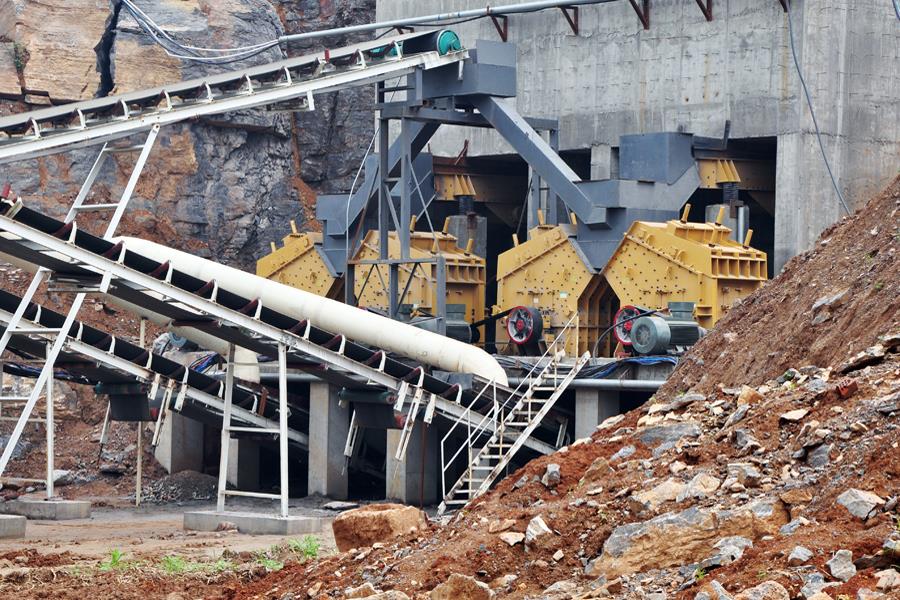
The Role of Jaw Crushers and Impact Crushers in Mechanically Produced Sand Production Lines
-
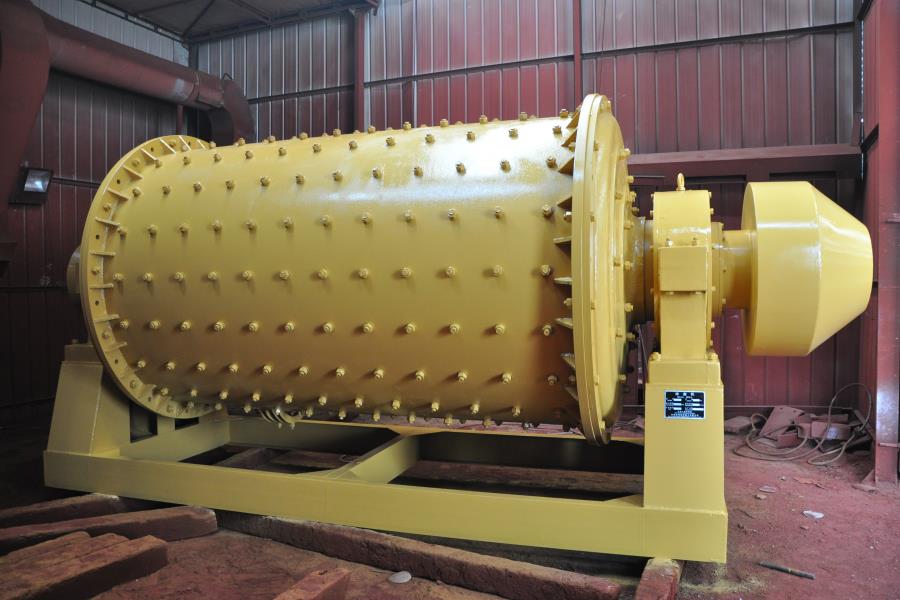
What are the stages involved in pebble crushing and what are the commonly used crushers