
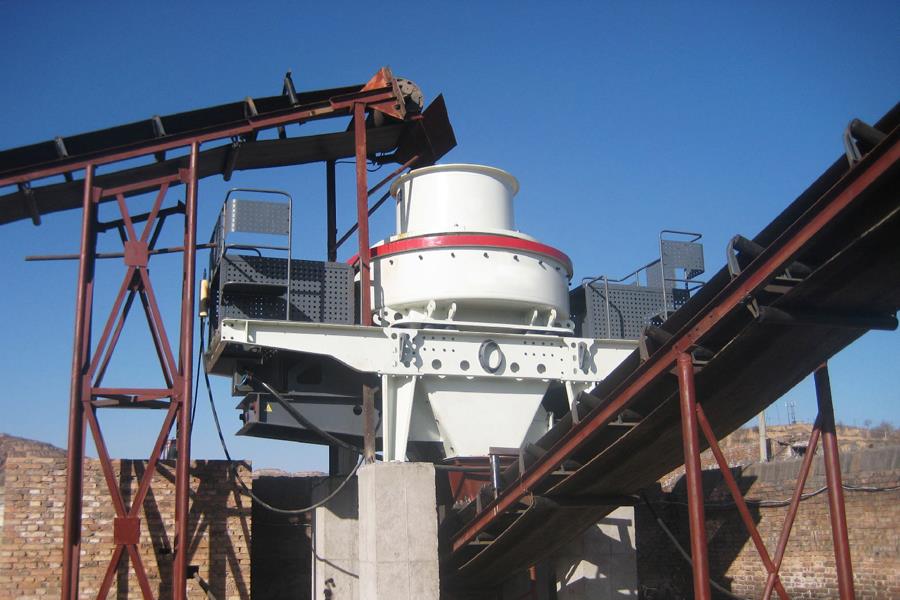
What are the primary factors influencing the sand-making performance of vertical impact crushers
Vertical impact crushers are essential equipment in the sand-making process. Operating on the principles of ‘stone-on-stone’ and ‘stone-on-iron’ impact, they achieve crushing through high-speed rotating impellers. These machines offer strong practicality, high throughput, and excellent finished product quality, making them widely applicable. Currently, tens of thousands of units are deployed across numerous domestic markets. When crushing results are unsatisfactory, it is crucial to promptly identify factors affecting the sand-making performance of vertical shaft impact crushers.
Generally, numerous factors influence the production capacity of impact crushers, broadly categorised into five key areas. Below, I shall outline these factors and propose corresponding solutions.
1. Material Hardness: Harder materials prove more challenging to process into sand and cause greater wear on the impact crusher. This results in slower sand production and reduced capacity. Therefore, careful consideration must be given to material selection.
2. Material composition: Higher levels of fine particles in feed material significantly impair sand production, as these particles readily adhere and disrupt conveying. Consequently, materials with high fine particle content should undergo preliminary screening. This process removes as much fine material as possible to prevent interference with the impact crusher's normal operation.
3. Post-crushing fineness: Higher fineness requirements (i.e., finer sand output) reduce sand-making capacity. Specifications should be determined by requirements; absent special instructions, medium-fine fineness is generally recommended.
4. Material viscosity: Higher viscosity increases adhesion risk. Highly viscous materials may adhere to the inner walls of the sand-making chamber within the impact crusher. Failure to clean promptly will impair the crusher's efficiency and may severely disrupt normal operation. Therefore, when selecting materials, ensure viscosity is not excessively high.
5. Material moisture content: Higher moisture levels cause material to adhere within the vertical crusher and may lead to blockages during discharge and conveying, reducing sand-making capacity. To address this, strictly control moisture content during material selection. If moisture exceeds specifications, employ methods such as sun-drying or air-drying to reduce moisture percentage.
We are an integrated mining machinery company specialising in R&D, production, sales, and service. Our core offerings include jaw crushers, cone crushers, impact crushers, sand makers, mobile crushing stations, ball mills, and vibrating screens, alongside complementary equipment. We warmly welcome all clients to visit our factory for on-site inspections. Click our website chat for immediate complimentary consultation – available 24 hours online.
-
-
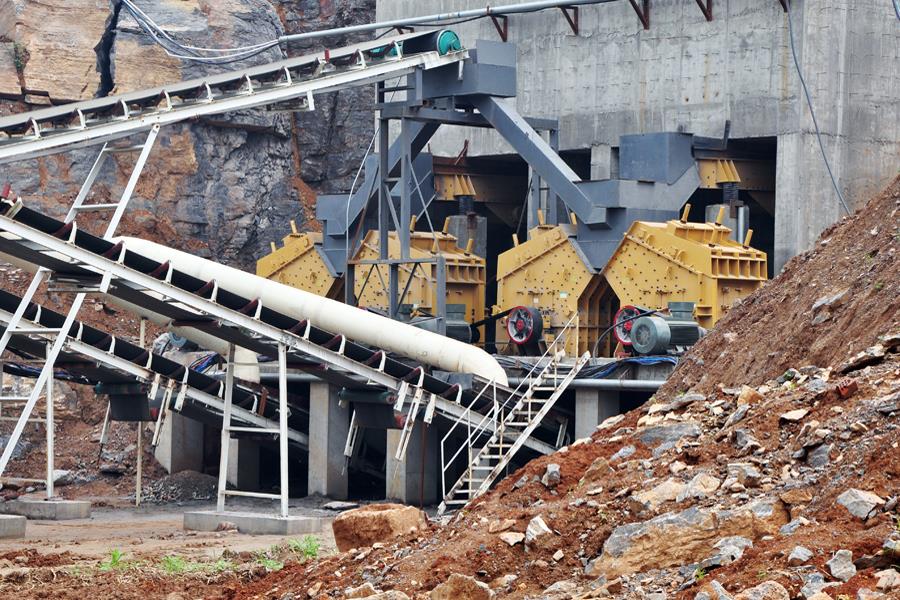
The Role of Jaw Crushers and Impact Crushers in Mechanically Produced Sand Production Lines
-
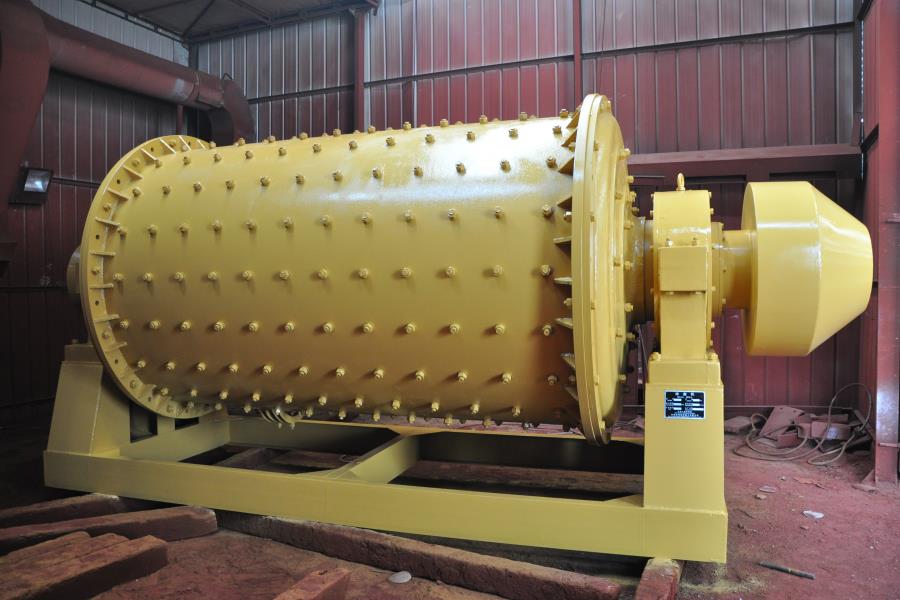
What are the stages involved in pebble crushing and what are the commonly used crushers
-
-
How effective is a vertical impact crusher for processing quartz sand