What are the advantages of dry sand production processes
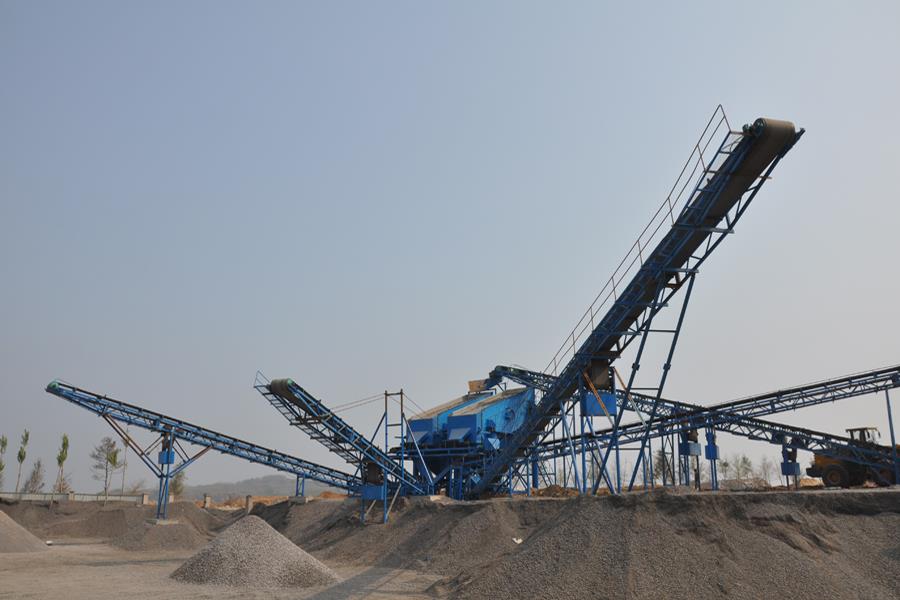
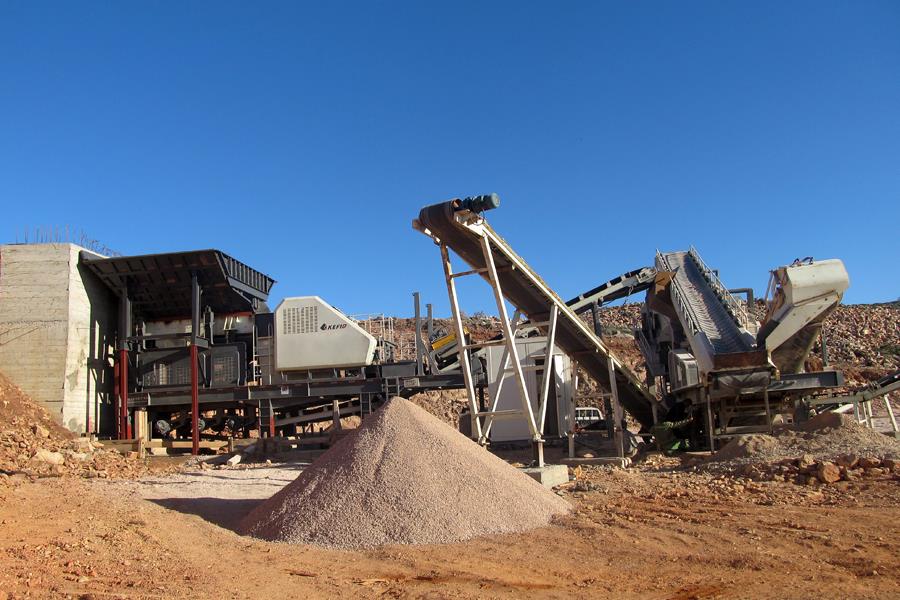
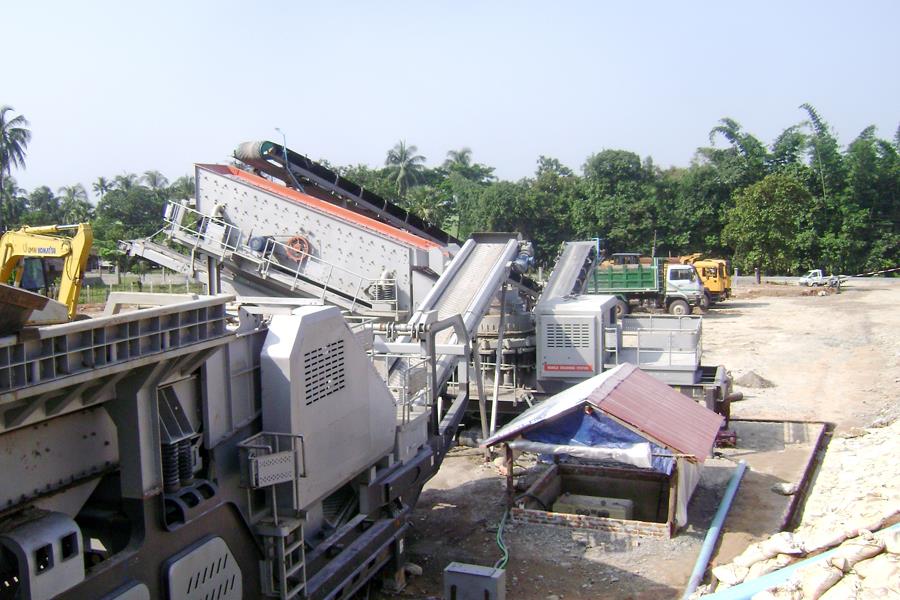
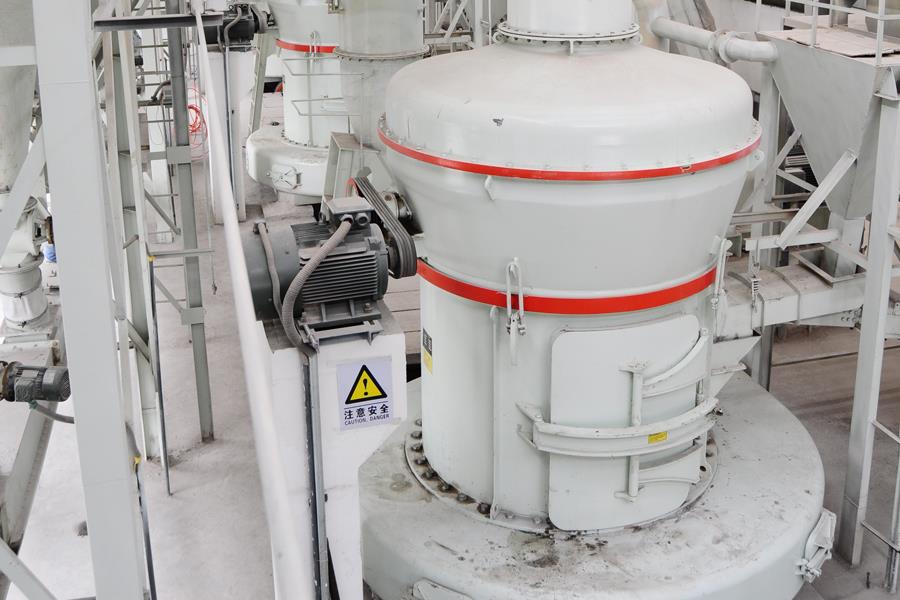
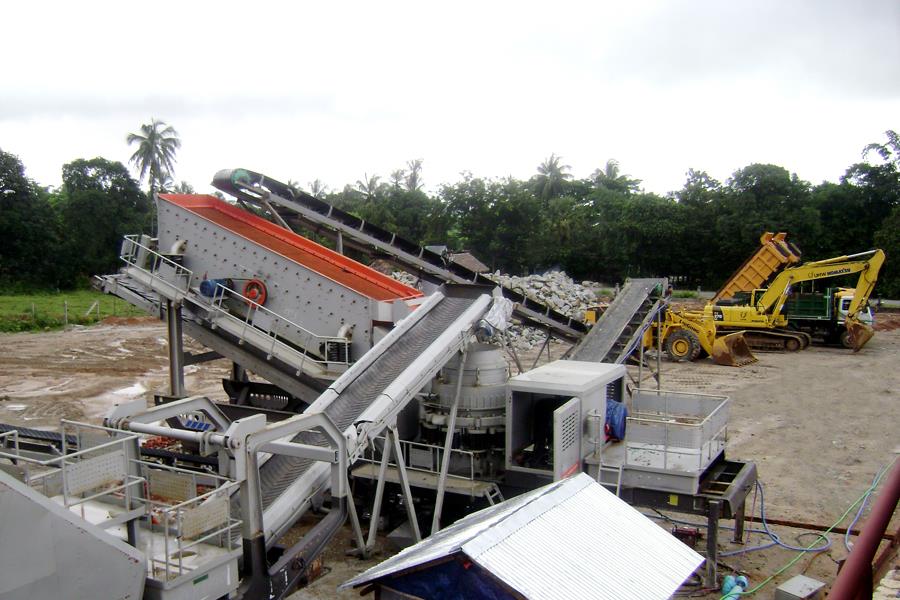
The main production processes for manufactured sand include dry sand production lines, semi-dry sand production lines, and wet sand production lines. Different processes produce manufactured sand of different specifications. In manufactured sand production lines, the main equipment used in both dry and wet sand production is basically the same: coarse crushing equipment, medium and fine crushers, and high-efficiency sand making machines. The purpose is the same: to produce higher quality sand to meet the requirements of concrete and dry-mix mortar. However, the main difference between dry and wet sand production processes lies in the different treatment methods used for stone powder and mud content in the manufactured sand. Both have advantages and disadvantages. What are the advantages of the dry sand production process?
1. The moisture content of manufactured sand produced by dry sand production is generally below 2%, allowing for direct use in commercial concrete or dry-mix mortar.
2. The stone powder content in the finished sand can be controlled, allowing for centralized recycling and utilization, reducing dust emissions.
3. Dry sand production uses less water, or even none at all, thus conserving water resources. 4. Dry sand making facilitates several operational controls, enabling automated management.
5. It is unaffected by geographical location, drought, or cold seasons.
OCP Heavy Industry has focused on the R&D and manufacturing of crushing equipment for over forty years, providing one-stop solutions for equipment selection, configuration, and production line process design. Welcome to inquire online; our dedicated technical personnel are happy to answer your questions! You are also welcome to visit our factory for consultation or to tour our production line!