Classification, Application, and Production Line Equipment Configuration of Sand and Gravel Aggregates
Sand and gravel aggregates are a general term for materials such as sand, pebbles (gravel), crushed stone, boulders, and quarries used in water conservancy projects. They are the main building materials for concrete and masonry structures in water conservancy projects, and have important applications in the production of cement concrete, asphalt concrete, road foundations, railway ballast, and mortar. Sand and gravel aggregates are also an indispensable raw material in infrastructure construction, required in projects such as housing construction, road and bridge construction, and the construction of hydropower facilities. Sand and gravel aggregates can be classified according to their aggregate particle size, aggregate density, and source:
1. Source of Sand and Gravel Aggregates
Based on their source, sand and gravel aggregates can be divided into natural rock aggregates, recycled aggregates, and artificial aggregates. Natural rock aggregates refer to aggregates composed of natural rocks, including crushed stone, pebbles, and sand; recycled aggregates refer to crushed concrete, crushed bricks, etc.; artificial aggregates include manufactured sand, expanded shale, slag, and powdered slag.
2. Aggregate Particle Size
Based on particle size, aggregates can be divided into coarse aggregates and fine aggregates. Coarse aggregates refer to sand and gravel particles with a diameter greater than 4.75mm, such as crushed stone, river pebbles, and cobblestones. Fine aggregates are sand and gravel particles with a diameter less than 4.75mm, such as river sand and sea sand.
3. Aggregate Density
Based on density, aggregates can be divided into three types: heavy aggregates, light aggregates, and ordinary aggregates. Heavy aggregates have a density between 3500 and 4000 kg/m³, such as iron ore; light aggregates have a density between 0 and 1000 kg/m³, such as expanded clay and perlite; and ordinary aggregates have a density between 2500 and 2700 kg/m³.
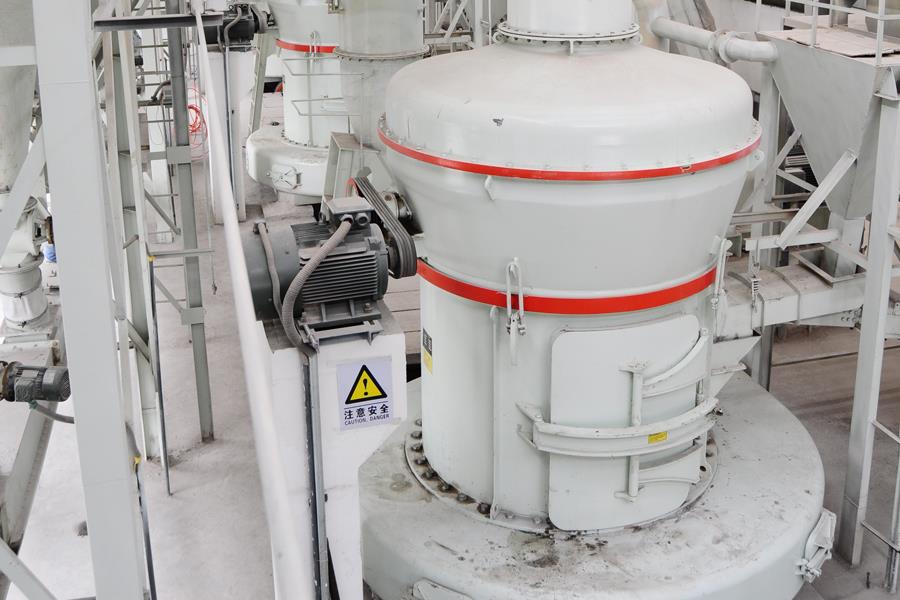
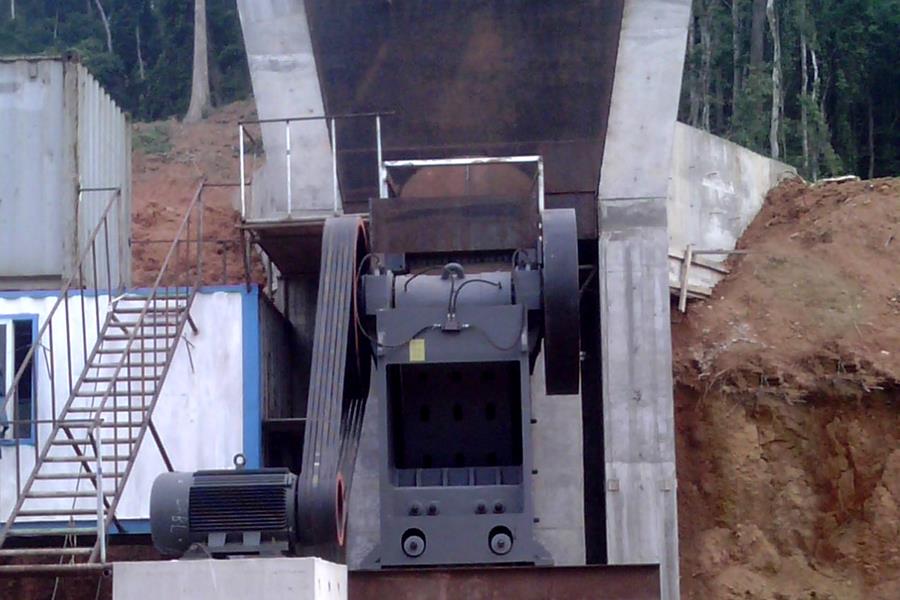
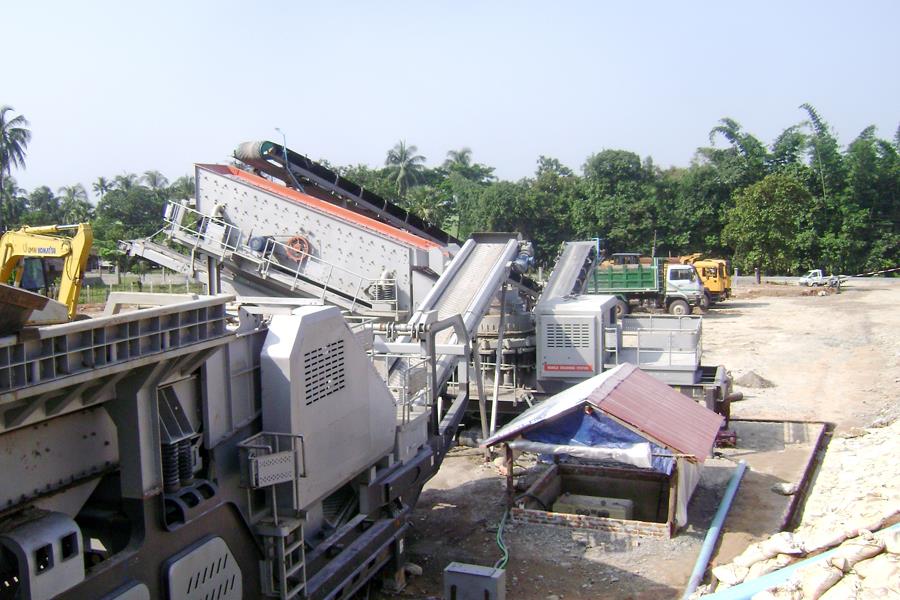
The above introduction explains the concept and classification of sand and gravel aggregates. These types of aggregates require mining and processing. Generally, the mining equipment used includes crushers and sand making machines. These different pieces of equipment form a complete production line to complete the sand and gravel processing. Generally, sand and gravel aggregate production lines are mainly divided into stationary and mobile production lines.
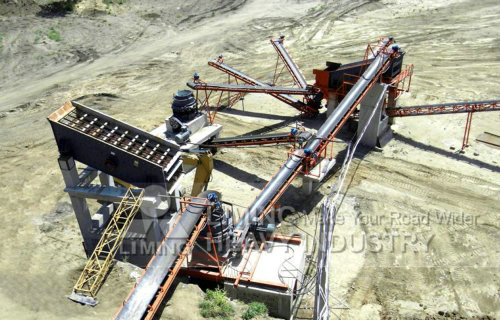
Stationary sand and gravel aggregate production lines consist of a feeder + jaw crusher + impact crusher/cone crusher + sand making machine + sand washing machine + vibrating screen + belt conveyor + centralized electrical control. This requires a fixed site, requires piling, and cannot be moved. Such stone production lines have high output (tens to thousands of tons per hour), but are not very adaptable to different sites and cannot be moved around. Of course, this is suitable for stone processing sites that are close to raw materials, have a large and continuous supply of raw materials, high output requirements, and a large production area.
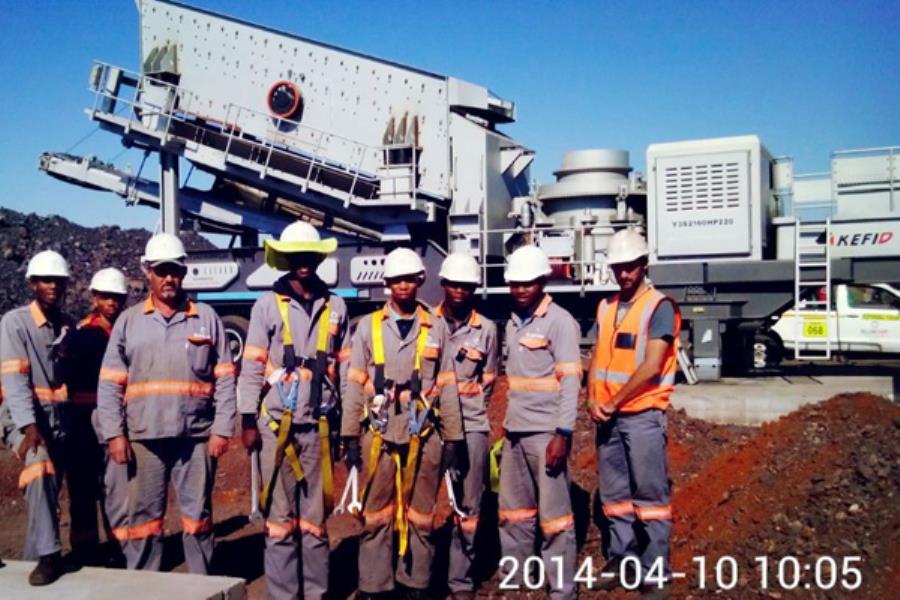
Mobile aggregate production line: A mobile stone production line consists of several pieces of equipment mounted on a single vehicle. It is further divided into fully automatic and semi-automatic mobile crushing plants. The main equipment is basically the same as the stationary type: a mobile jaw crusher + a mobile impact crusher/mobile cone crusher + a mobile sand making machine + a mobile screening machine + a belt conveyor, essentially forming a complete stone production line. No ground piling is required; it can be driven directly to the work site. Installation is simple and quick, and it can be freely moved, exhibiting strong adaptability to different sites. It can be powered by both oil and electricity, has a high degree of automation, and is suitable for remote mountainous areas with insufficient power supply.
If you would like to learn more about aggregate production line equipment and pricing, please feel free to contact our website customer service for free consultation. OCP Heavy Industry is at your service.