Setting Up a 250 tph Basalt Vibrating Screen Plant in Zambia
What the screen plant must do in a basalt circuit
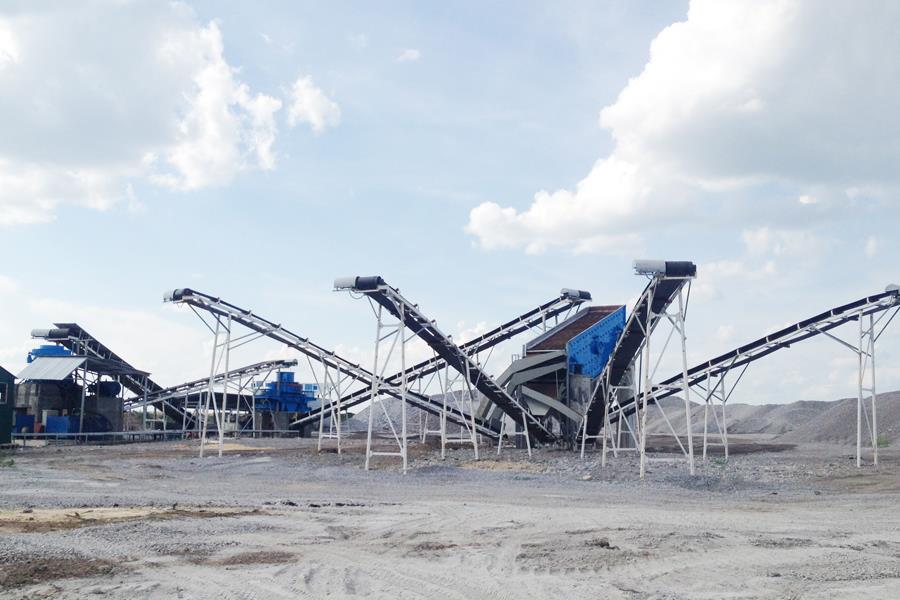
Setting up a 250 tph basalt vibrating screen plant in Zambia means more than choosing a screen and a frame. Basalt is hard, dense and abrasive, and it arrives at the screen after a primary or secondary crusher with a wide size spread. The plant's job is to split that feed into saleable fractions and return oversize to the crusher, keeping the circuit balanced so neither the crusher nor the belt line waits idle. A 250 tph basalt vibrating screen plant in Zambia is sized to the hardest hour, not the average day.
Deck layout and aperture choice
Most basalt circuits run a three-deck screen: top deck removes the coarse oversize back to the cone, middle deck separates the mid fraction, bottom deck produces the fines. Apertures are chosen from the required saleable sizes — for example 0–5 mm, 5–10 mm, 10–20 mm and 20–31.5 mm — and the top opening is set to protect the crusher from oversized chunks. Screen area is calculated from the feed tonnage and the cut size; a deck that looks adequate on paper can lose capacity when the basalt carries fines that blind the openings. Ask the supplier for the screen efficiency at your apertures, not just the headline tph.
Basalt wear on the screen
Abrasive basalt wears decks, side plates and wire faster than limestone. Wire cloth should be chosen for impact life; polyurethane panels suit sticky or fine fractions where blinding is a problem, while steel wire handles coarse and hard feed. Check the side plates and cross members for wear protection, and plan a deck replacement interval in tonnes rather than months. The proposal should list panel type, wire gauge and expected life so the operating cost per tonne can be worked out before the plant runs.
Dry or wet screening
Basalt is usually screened dry, but if the feed carries clay, mud or moisture above about five percent, fines stick to the stones and the bottom deck blinds. A wet circuit with spray bars and a dewatering screen solves that, at the cost of water supply, settling or recycling capacity and fines handling. In Zambia's dry seasons water can be scarce, so a closed-loop water system with a settling pond or thickener is worth planning early. If the quarry source is clean and dry, keep the plant dry and simpler.
Power, voltage and load shedding
The Zambian grid runs 50 Hz at 220/400 V for industrial plants. Motors, control panels and VFDs must be built to that standard, and the starting method — direct-on-line or soft starter — should match the local supply capacity. Hydropower supply can tighten in dry years, and scheduled or unscheduled outages are part of the operating reality. Plan for a reliable shutdown sequence, belt interlocks that restart safely, and either backup generator capacity or a clear procedure for bringing the plant back after an outage.
Layout, foundation and access
The screen sits on a steel frame or concrete structure with enough headroom for deck changes and enough side space for a crane or forklift to lift panels. Feed chute, discharge belts and stockpile points are laid out before steel is ordered; re-routing a belt after erection costs more than the drawing change. Leave access around the screen for inspection, greasing and panel removal, and place the motor and drive on the side the maintenance team can reach safely.
Compliance and inland logistics
Zambia is landlocked, so equipment moves by rail or road through Dar es Salaam, Beira or Walvis Bay before the final haul to the site. Confirm the route, weight limits on bridges and the truck size that can reach the quarry. Environmental and mining approvals are handled through ZEMA and the relevant local authority; the plant layout, dust control and noise position should be ready before inspection. Documentation in English should travel with the shipment.
Budget envelope
A 250 tph basalt screen module — screen, frame, drive, chutes and basic electricals — lands roughly between USD 90,000 and 180,000, depending on deck count, panel material and whether wet washing is included. Prices are indicative and for reference only. Add spare panels, a bearing kit and the first wear pack to the capital budget, and plan inland freight and customs clearance separately from the factory price.
How OCP supplies the screen module
OCP Mechanical Company has built crushing and screening equipment for more than 40 years: jaw and cone crushers, impact and VSI machines, GZD and ZSW feeders, vibrating screens, sand washers and complete plants for rock, ore and recycled materials. We size the deck area to your apertures and basalt feed, specify wear panels for abrasive duty, and ship the module direct from the factory with commissioning guidance and spare parts listed in the offer. A 250 tph basalt vibrating screen plant in Zambia should be planned around the rock's wear and the local power reality, not a catalogue capacity.
Send the feed description and product sizes
Tell us your basalt feed size, moisture, required fractions, site power and access route, and we will return a deck layout, wear estimate and delivered price at no cost. The chat button on this site reaches an engineer 24 hours a day. The 250 tph basalt vibrating screen plant in Zambia runs best when the deck, water and power are planned before the steel arrives. Capacity and price figures above are indicative and updated continuously.
Notes: Actual results vary with material characteristics, operating conditions, installation and maintenance practice. OCP Mechanical Company reserves the right to update technical data and prices. All prices and parameters above are for reference only — confirm final figures with our team.
-
200 tph Gold Ore VSI Crusher: Get a Price & Buy Direct from Manufacturer in UAE
-
-
Choosing a Vibrating Screen for 500 tph Granite in South Africa
-
600 tph River Pebble Sand Washer: Factory Direct Pricing & Buyer's Guide for the Philippines
-