
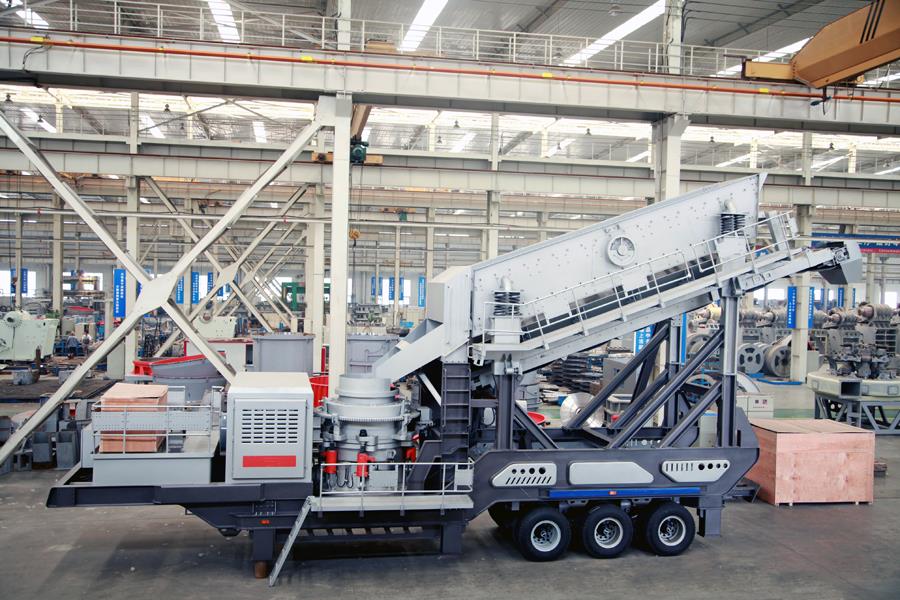
Choosing a Vibrating Screen for 500 tph Granite in South Africa
Granite duty and what the screen must deliver
Choosing a vibrating screen for 500 tph granite in South Africa comes down to feed size, required fractions and abrasive wear — not the headline capacity on a datasheet. Granite is a hard, crystalline rock that fractures into sharp particles; those particles cut wire and decks as they tumble over the media. A 500 tph granite screening plant in South Africa should be sized for the busiest shift and the hardest feed, with enough spare area to keep efficiency when fines pile up.
Deck and screen area sizing
At 500 tph most granite lines run two screens in parallel or a large three-deck unit. The top deck returns oversize to the cone or impactor, the middle decks split the aggregate fractions, and the bottom deck produces the sand or fine base material. Area is calculated per cut size: finer apertures need more area per tonne, and a bottom deck sized only for the headline tph will blind. List the fractions you sell — for example 0–6 mm, 6–13 mm, 13–19 mm, 19–26 mm — and let the supplier lay out decks against those cuts. Require a stated screening efficiency for each aperture, not a single tph figure.
Screen media choice for abrasive granite
Granite sharpness drives the media decision. Steel wire cloth carries coarse and hard fractions at a lower upfront cost; polyurethane panels handle abrasive and sticky feed with longer panel life and quieter running; rubber panels suit high-impact coarse duties. Mixing media across decks is common: steel on top for impact, polyurethane on the bottom against blinding. Check panel clamps, side rails and the discharge lip for wear protection, and ask for panel life in tonnes so the replacement schedule can be planned.
Motion, drive and screening efficiency
The screen's motion matches the feed: inclined circular motion handles hard, coarse material; linear motion suits fines and wet or sticky feed. The eccentric or drive rating must be matched to the screen weight plus the retained load, and the balance of the screen body checked for vibration transfer to the frame. Bearings run a predictable temperature; ask what lubrication the unit carries and how often service is due. At 500 tph the line usually expects one screening pass per deck before oversize returns to the crusher.
Load shedding and site power
South African industrial supply runs 50 Hz at 230/400 V, and scheduled outages are part of the operating calendar. Motors, panels and VFDs must be rated for the local supply, with a soft-start or direct-on-line arrangement the supply can accept. Plan a safe shutdown sequence: belts and screen stop in order, interlocks prevent restart before the line is clear, and a generator or standby agreement covers the loads that must keep running through an outage. Repeated restart under load shortens drive life, so the control logic matters as much as the motor rating.
Safety standards and local work
Machine guarding, access ladders, handrails and emergency stops should meet SANS practice and the site's own risk assessment. South Africa has a strong base of local machine shops and maintenance crews, which helps with wear repairs and panel fitting, but the structural steel and screen body still need to arrive with welds, fasteners and guards intact. Documentation, wiring diagrams and parts lists should be clear enough for a local mechanic to work from without waiting on the supplier.
Supplier and spare support
Compare references on granite or other hard rock at 400 tph and above, with panel consumption and change-out intervals attached. Ask how spare screens, panels, bearings and exciters reach Gauteng, Mpumalanga, Limpopo or KwaZulu-Natal, and what lead time applies. A supplier who ships direct from the factory should still be able to name the port route — Durban, Richards Bay or Gqeberha — and the inland haul before the order is placed.
Budget envelope
A 500 tph granite screening arrangement, with screens, frames, drives, chutes and basic electricals, lands roughly between USD 180,000 and 350,000 depending on deck count, media type and whether one large unit or two parallel screens are used. Prices are indicative and for reference only. Budget the first spare media pack, a bearing set and expected panel replacements separately; these consumables are the larger share of long-term screening cost.
How OCP supplies the right screen
OCP Mechanical Company has built crushing and screening equipment for more than 40 years: jaw and cone crushers, impact and VSI machines, GZD and ZSW feeders, vibrating screens, sand washers and complete plants for rock, ore and recycled material. We size deck area to your fractions, specify media for abrasive granite, and ship direct from the factory with spares listed in the offer and commissioning guidance on site. Choosing a vibrating screen for 500 tph granite in South Africa should rest on area, wear life and local power conditions rather than rotor or screen size alone.
Send the fractions and the feed description
Share your granite feed size, required product fractions, moisture, site province and power arrangement, and we will return a deck layout, wear estimate and delivered price at no cost. The chat button on this site reaches an engineer 24 hours a day. A 500 tph granite screening plant in South Africa performs best when the media, deck area and outage plan are settled before the steel arrives. Capacity and price figures above are indicative and updated continuously.
Notes: Actual results vary with material characteristics, operating conditions, installation and maintenance practice. OCP Mechanical Company reserves the right to update technical data and prices. All prices and parameters above are for reference only — confirm final figures with our team.
-
600 tph River Pebble Sand Washer: Factory Direct Pricing & Buyer's Guide for the Philippines
-
-
Setting Up an 800 tph Manganese Cone Crusher Plant in Nigeria
-
How to Choose a Cone Crusher for 150 tph Copper Ore Crushing in Saudi Arabia
-
Aggregate Crushing Plant Supplier Nigeria: Product Grading Signals from a Three-Way Price Adjustment