The Philippines is currently experiencing an unprecedented infrastructure boom, driven by massive public works, commercial developments, and coastal reclamation projects across Metro Manila, Cebu, and Davao. With the country's abundant river systems providing rich deposits of river pebbles, establishing a high-capacity sand washing operation has become a highly lucrative venture. For aggregate producers and civil engineering contractors aiming to process 600 tph of river pebbles into premium washed sand, integrating a heavy-duty sand washing plant is a critical operational milestone.
When sourcing a 600 tph river pebble sand washer in the Philippines, the procurement strategy must extend far beyond the initial machine price tag. Strategic investors calculate the total landed cost, carefully factoring in the archipelago's unique maritime logistics, local import tariffs, water management requirements, and the extreme tropical climate. This guide breaks down the pricing structures, circuit configurations, and factory-direct procurement strategies tailored specifically for the Philippine market.
What Drives the 600 tph River Pebble Sand Washer Price?
River pebbles, often mixed with silt, clay, and organic impurities, require a robust washing circuit to produce clean, high-value concrete sand. A 600 tph capacity demands heavy-duty machinery engineered with oversized water tanks, high-torque spiral shafts or massive bucket wheels, and wear-resistant liners. The baseline price fluctuates based on several critical engineering variables.
| Cost Factor | Impact on Pricing |
|---|
| Washer Type & Capacity | Twin-spiral washers or large bucket wheels (e.g., XL-1000 or larger) cost more but safely handle 600 tph of muddy river sand. |
| Water Management | Adding cyclone clusters, dewatering screens, and water recycling systems significantly increases the price but saves water. |
| Circuit Scope | A standalone washer is budget-friendly; integrating feeders, trommel scrubbers, and conveyors elevates the total price. |
| Mobility | Fixed stationary plants are standard; mounting the washing plant on a modular or mobile chassis increases the price. |
| Logistics & Duties | Shipping to Manila or Cebu, customs clearance (HS Code 8474), and VAT heavily dictate the final landed cost. |
For market reference, standalone heavy-duty sand washers capable of handling high volumes typically range from USD 15,000 to USD 45,000 from direct Chinese manufacturers. However, a complete 600 tph river pebble washing circuit—including a vibrating feeder, trommel scrubber, primary jaw and cone crushers, the main sand washer, fine sand recycling cyclones, and dewatering screens—represents a substantially larger investment. These figures serve as baseline estimates and not final quotations for a specific Philippine project.
Standalone Sand Washer vs. Complete Washing Circuit
A standalone sand washer is ideal if your Philippine site already possesses a complete crushing circuit, robust conveyors, and an established water supply and control system. In this setup, the washer is introduced purely to remove silt and stone powder from the crushed river pebbles, upgrading the final product for high-end concrete batching plants.
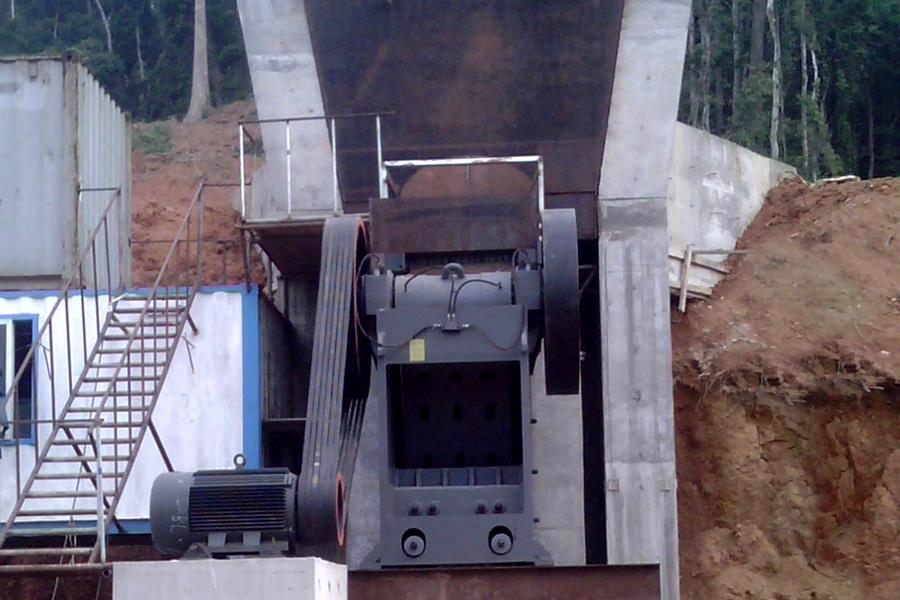
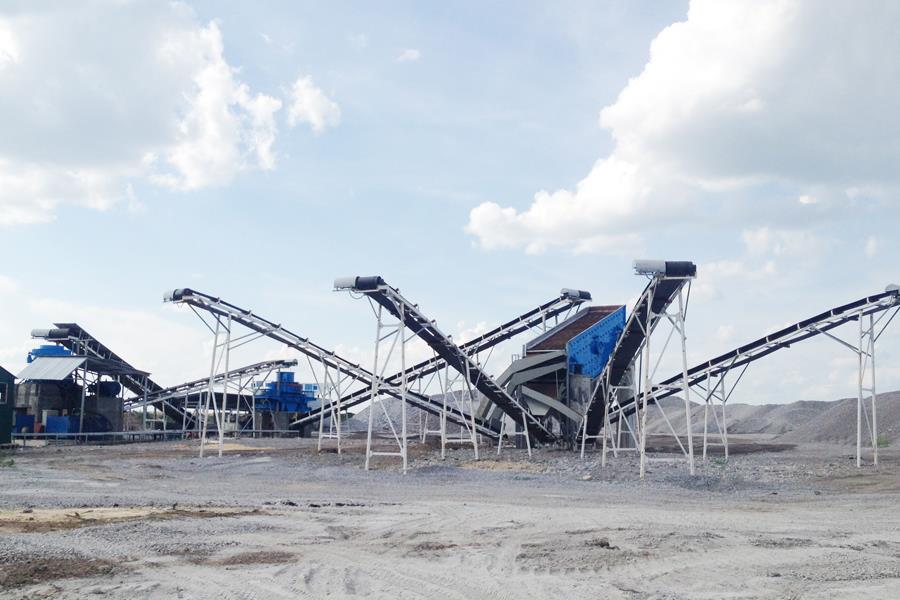
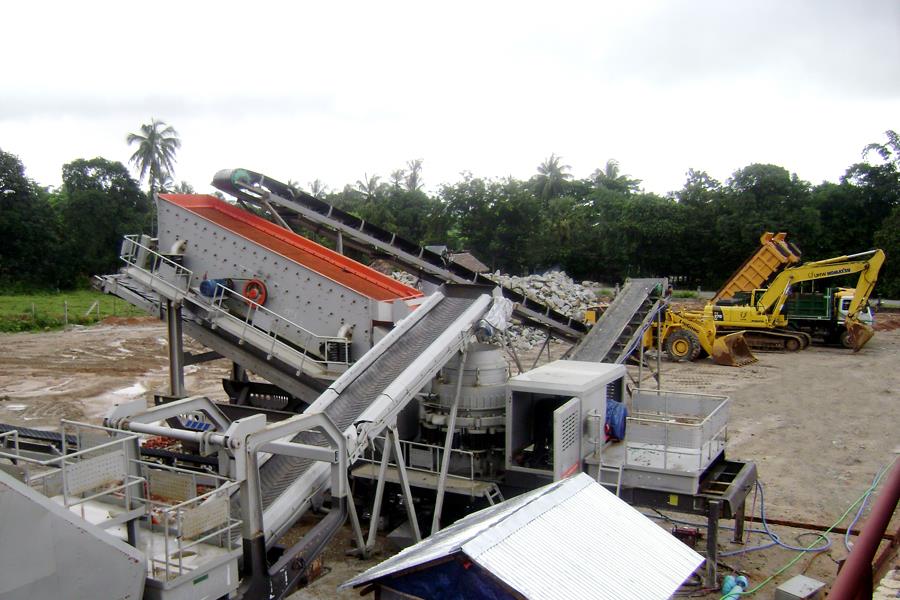
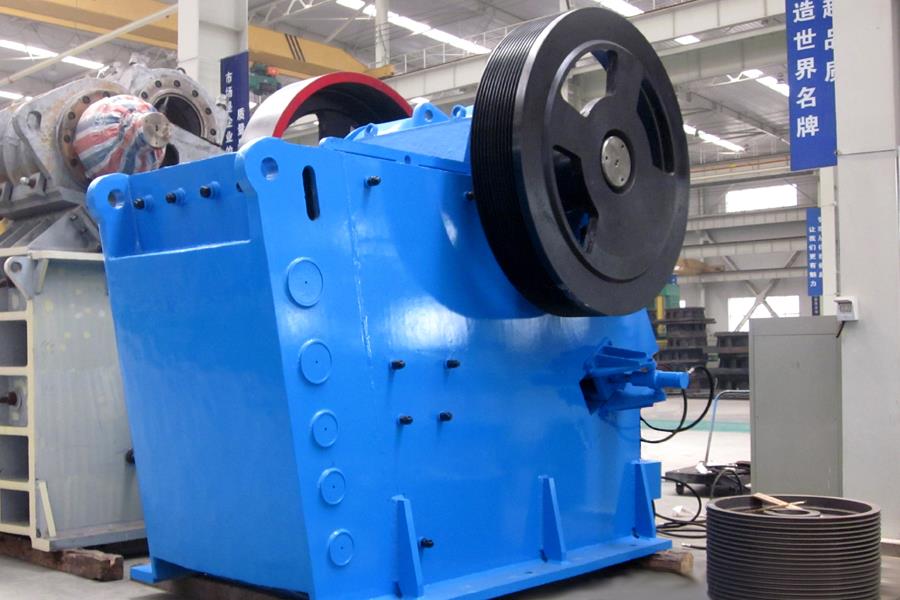
Conversely, a complete washing and crushing circuit is mandatory for new greenfield aggregate plants. A standard 600 tph river pebble line generally features a vibrating feeder, a PE-series primary jaw crusher, a secondary cone crusher, a multi-deck vibrating screen, a heavy-duty sand washer (like a twin-spiral or bucket wheel), and a fine sand recovery system. While a full circuit demands a higher initial capital expenditure, it offers a transparent view of total project costs and guarantees that the final sand grading meets the strict standards of the Philippine DPWH (Department of Public Works and Highways).
Choosing the Right Sand Washer for Philippine River Pebbles
River pebbles extracted from provinces like Bulacan, Pampanga, or Cagayan often arrive with high moisture content, sticky clay, and varying sizes. The washing equipment must be selected based on the clay content and the required fineness modulus of the final sand.
For a 600 tph capacity, a twin-spiral sand washer or a large-diameter bucket wheel washer is highly recommended. Twin-spiral models offer excellent desliming capabilities and high throughput, while bucket wheels ensure minimal loss of fine sand. If the river pebbles contain sticky clay, a trommel scrubber or log washer must be installed upstream to break down the clay before it enters the main washing tank. Furthermore, integrating a fine sand recycling system (hydrocyclones and dewatering screens) is crucial to capture the valuable 0-75 micron fines that would otherwise wash away, instantly boosting plant profitability.
Fixed Plant vs. Mobile Plant in the Philippines
Stationary washing plants remain the gold standard for permanent riverbed quarries and large-scale aggregate supply contracts in the Philippines. They deliver stable, high-volume throughput, simplify maintenance access, and easily integrate with large-scale water recycling and settling ponds.
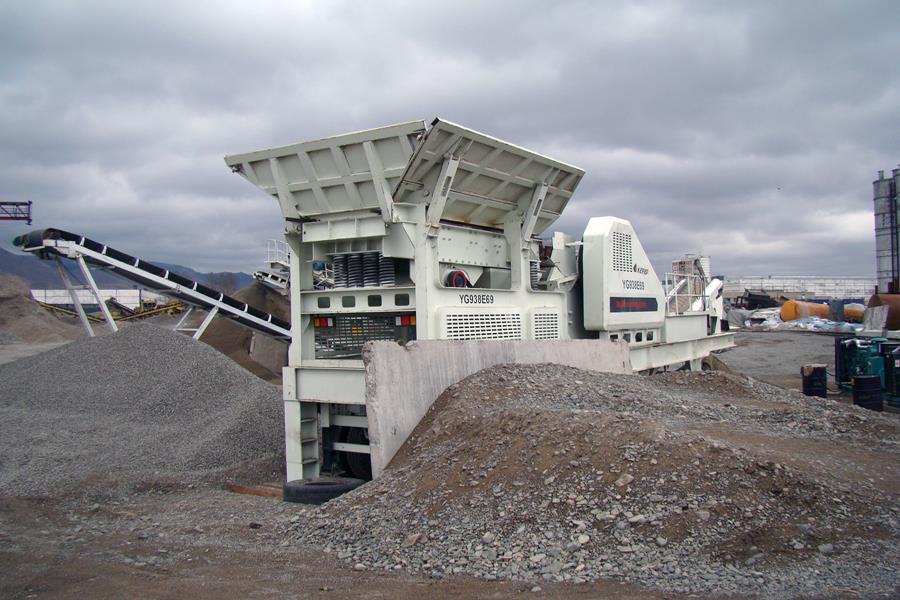
Mobile or modular washing plants are increasingly popular among contractors working on temporary infrastructure projects, river dredging, or scattered alluvial deposits. The Philippines' fragmented geography and frequent relocation of project sites make wheeled mobile plants highly advantageous, as they require minimal foundation work and can be rapidly deployed via flatbed trucks or barges. However, they demand meticulous planning for water supply and power generation in remote provincial areas.
Philippine Site and Logistics Factors
When budgeting for a sand washing plant in the Philippines, local operational conditions must heavily influence your engineering and financial planning:
Port Logistics & Customs: Transporting heavy machinery usually involves routing through the Port of Manila, Cebu, or Davao. Import duties for mining machinery (HS Code 8474) generally range from 3% to 7%, plus a 12% VAT. Proper documentation, including a Certificate of Origin to leverage ASEAN-China Free Trade Area (ACFTA) preferences, is vital to avoid unexpected tax burdens.
Water Management & Environmental Compliance: The Philippines has strict environmental regulations regarding water discharge. Dry crushing and washing generate significant wastewater. Plants must be equipped with water recycling systems, settling ponds, and cyclone clusters to ensure zero discharge of untreated water into local river systems, complying with the DENR (Department of Environment and Natural Resources).
Climate Adaptation: The tropical climate, characterized by heavy monsoon rains (Habagat) and high humidity, requires specific engineering. Electrical panels must feature high IP ratings to combat moisture, and structural steel must be treated for corrosion resistance.
Power Grid Stability: Motor ratings must align with the local grid (e.g., Meralco in Luzon or VECO in Cebu). In remote provincial areas where grid power is unreliable, plants equipped with dual-power systems (capable of running on grid electricity or heavy-duty diesel generators) are essential to prevent costly operational halts.
How to Secure an Accurate Quotation
To obtain a precise quotation for a 600 tph river pebble sand washer, suppliers require comprehensive project data, not just a target tonnage. Providing the following details ensures an optimized, cost-effective solution:
Material specifics: River pebbles, alluvial sand, or crushed stone with varying clay and silt content.
Maximum feed size and the percentage of sticky clay.
Target discharge sizes (e.g., 0-5mm washed sand) and the required capacity.
Whether you require a standalone sand washer or a full circuit including crushers, screens, and fine sand recyclers.
Site power availability, voltage, and water source details.
Capacity, model selection, and price data are for reference only; please confirm current parameters with customer service.
OCP Mechanical Company is a premier Chinese direct manufacturer boasting over 40 years of expertise in crushing, screening, and mineral processing equipment. We supply heavy-duty sand washers, jaw crushers, cone crushers, vibrating screens, and complete river pebble processing lines. Because we operate our own manufacturing facilities, customers can directly consult our engineering team on material sampling, circuit layout, and spare-part strategies, guaranteeing competitive factory-direct pricing without intermediary markups.
If you require assistance configuring a 600 tph river pebble sand washing plant in the Philippines, please send us your material characteristics, feed size, target product specifications, and site location. Our customer service team is available online 24 hours a day. Click the website chat button to receive a free consultation, a preliminary quotation, and expert model selection advice.
Technical data, models, and prices are subject to change; final confirmation shall be made through customer service. Actual performance may vary depending on material characteristics, operating conditions, installation, and maintenance. Price information shown here is for reference only.