Screening and Washing Stages in Aggregate Production Systems
Aggregates constitute the fundamental components of concrete, with approximately 1.5 cubic metres of aggregate required per cubic metre of concrete. Manufactured aggregates exhibit favourable gradation and quality, finding extensive application in infrastructure development. The artificial sand and gravel processing system primarily comprises the following stages: raw material extraction and transportation, coarse crushing, medium and fine crushing, sand making, screening and washing. This article focuses on the screening and washing stages:
As artificial sand and gravel processing necessitates graded crushing operations, and due to the influence of clay and impurities in the source rock, screening and washing processes are typically incorporated into the system design. Key equipment includes: screening feeders (commonly heavy-duty vibrating feeders for coarse crushing) and screening/grading units. Screening/grading equipment such as circular vibrating screens, linear screens, and horizontal triple-axis screens are widely used for coarse and fine aggregate classification, generally capable of both dry and wet screening operations. The three-axis vibrating screen has gained prominence in recent years. Employing a three-axis forced synchronous vibration mechanism, it can switch between circular, linear, or elliptical vibration patterns. This design minimises clogging and achieves high screening efficiency.
Artificial sand and gravel processing systems typically generate significant quantities of wastewater, waste residue, and dust during production. Effective treatment is essential to meet environmental protection requirements, with some projects now achieving near-zero discharge.
(1) Water Utilisation Processes
Current hydropower engineering practices employ dry, wet, or semi-dry production methods. Dry production demands stringent control over clay content and impurities in feedstock, necessitating sophisticated dust extraction systems. Consequently, product quality is difficult to guarantee, and environmental pressures (primarily air pollution and occupational health non-compliance) are significant.
Wet production, favoured for its advantages in desilting, dust suppression, and enhanced screening efficiency, is widely adopted in standard concrete projects. However, it introduces drawbacks such as loss of fine-grained material during hydraulic grading, reduced yield during crushing of moisture-laden materials, difficulties in dewatering finished sand, low overall production efficiency, and complex wastewater treatment.
Semi-dry production, characterised by flexible water usage points and the ability to integrate advantages from both dry and wet production methods, has seen widespread adoption in various projects in recent years.
(2) Dust Removal Equipment
Current dust removal equipment and processes employed in hydraulic and hydroelectric projects primarily include enclosed dust collection systems, bag filters, pulse jet dust collectors, and electrostatic precipitators. Each has distinct application ranges within system processes, generally achieving satisfactory dust removal performance. Provided costs remain within project budgets, all offer promising application prospects. Additionally, gravity sedimentation in drying beds for separating sludge or fine sand remains widely employed in projects with favourable topography due to its low investment, simple operation, and minimal costs. Where finished sand meets quality standards for silt content, engineering practice frequently incorporates dried-bed recovered materials. Scraper-recovered materials, filter-press-recovered materials, and dust-collector-recovered materials are added into the production system as components of finished sand. This approach, employed across numerous projects, serves to improve sand gradation and increase stone powder content.
OCP Heavy Industry specialises in mining equipment manufacturing, offering comprehensive models and complete configurations at competitive prices. offering competitive pricing for complete aggregate crushing and sand production lines. Our dedicated sales team and technical specialists configure cost-effective cone crushers tailored to client requirements and operational conditions. We provide premium after-sales support including complimentary installation training, regular follow-ups, and expert guidance on equipment maintenance and wear part replacement. OCP Heavy Industry delivers reliability you can count on.
-
Advantages, Models and Manufacturer Selection for Impact Crushers
-
Equipment Selection for the Third Crushing Stage in Crushing and Sand-Making Lines
-
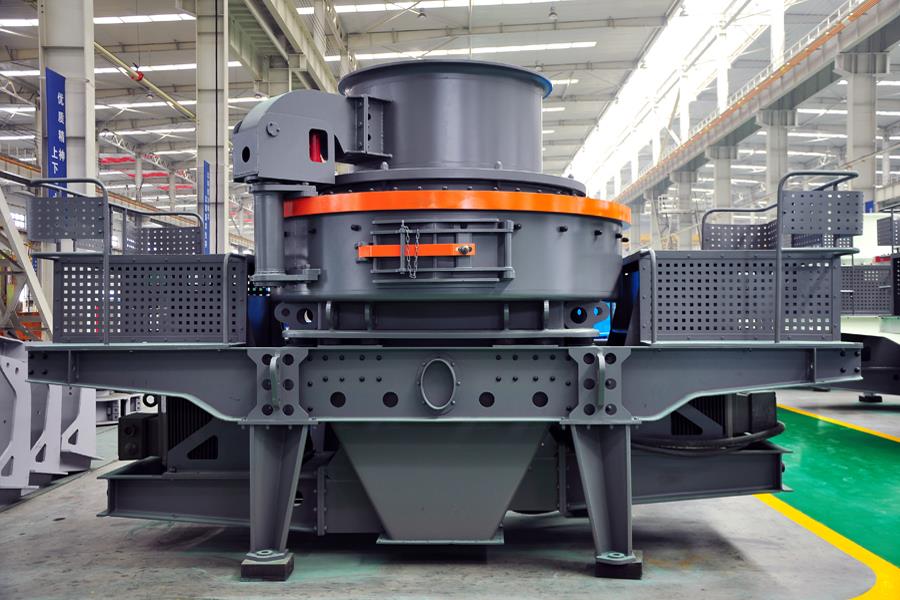
The screening stage of a high-quality aggregate production line
-
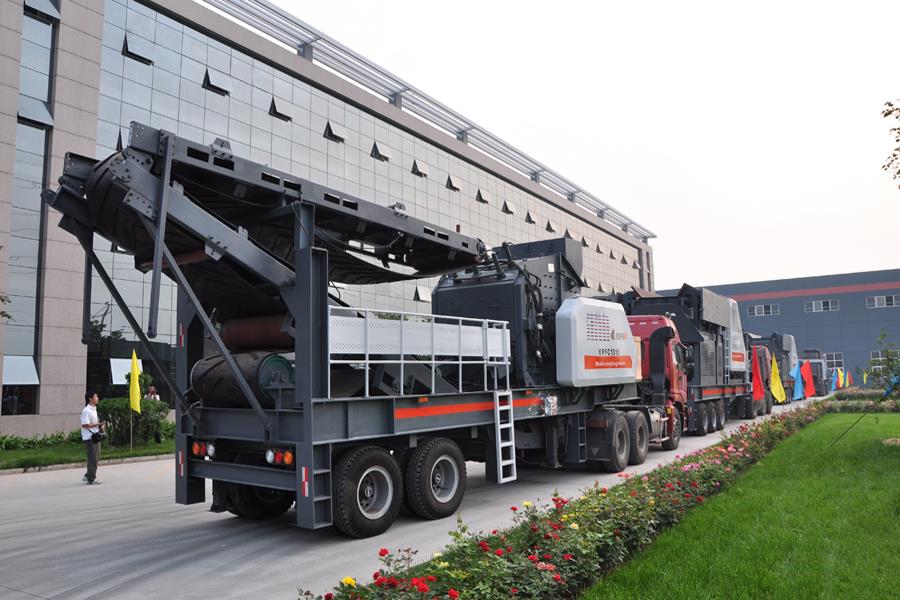
Schematic Design for a High-Quality Aggregate Production Line
-