
Process Configuration for a 300-Ton-Per-Hour Aggregate Production Line
Aggregate production lines have gained widespread recognition as raw materials for contemporary economic construction. Following the ban on river sand extraction, manufactured sand has become highly sought after, with market demand surging. It plays a significant role in infrastructure development. Data analysis over recent years indicates that the market price of manufactured sand has been consistently rising, with a promising future outlook.
A. Process Configuration for a 300-Ton-Per-Hour Aggregate Production Line
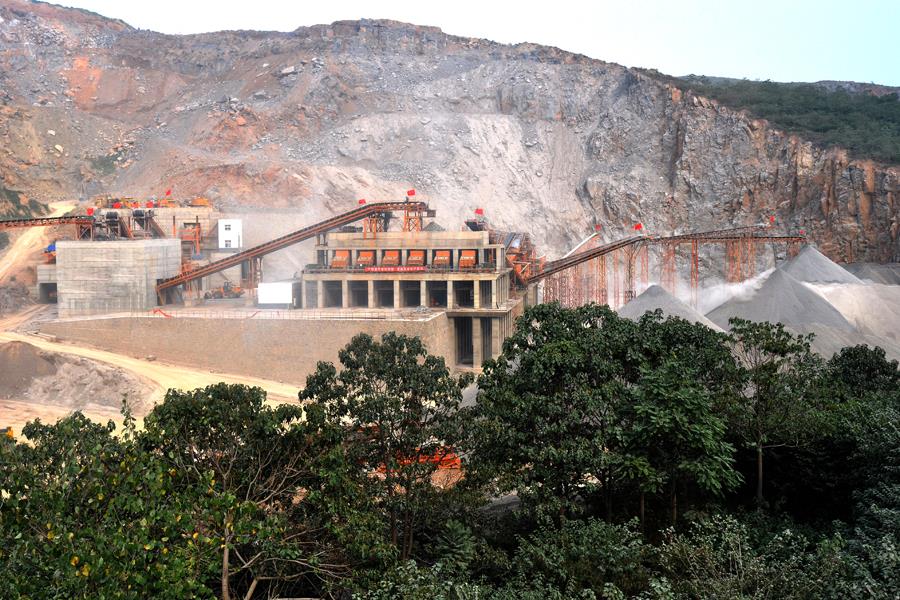
As a manufacturer of sand and gravel production lines, OCP Heavy Equipment enjoys substantial market support. Today we outline the equipment and production process required for a 300-tonne-per-hour pebble production line.
Equipment Configuration: Vibrating feeder, jaw crusher, cone crusher, sand maker, vibrating screen, belt conveyor
1. Primary Crushing: Raw pebbles enter the vibrating feeder from the raw material silo. The feeder uniformly conveys the material to the jaw crusher for initial coarse crushing.
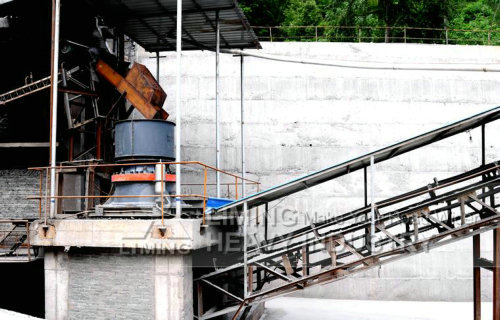
2. Secondary Crushing: Material from primary crushing is transported via belt conveyor to the cone crusher for secondary (medium and fine) crushing.
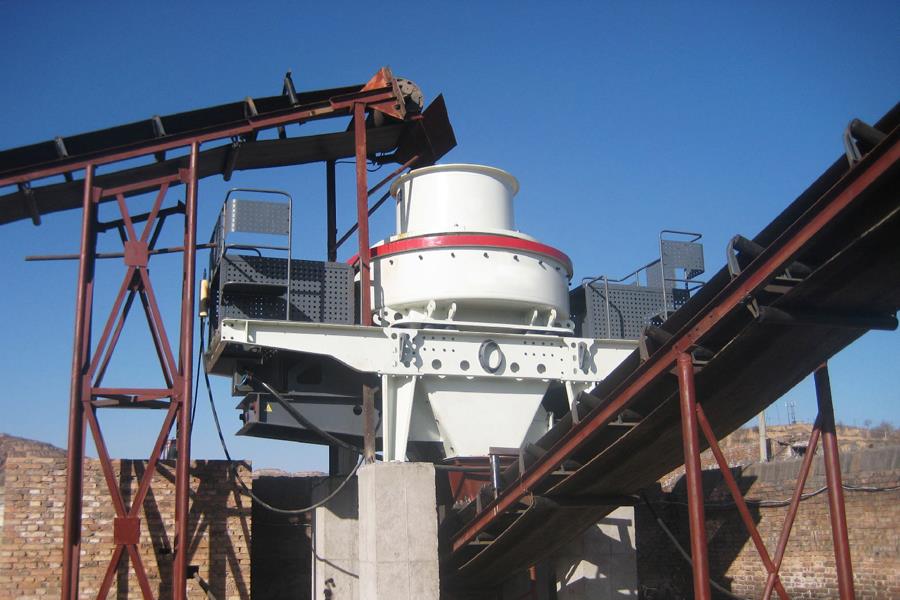
3. Sand-making stage: Material crushed by the cone crusher undergoes further shaping and refinement in the sand-making machine;
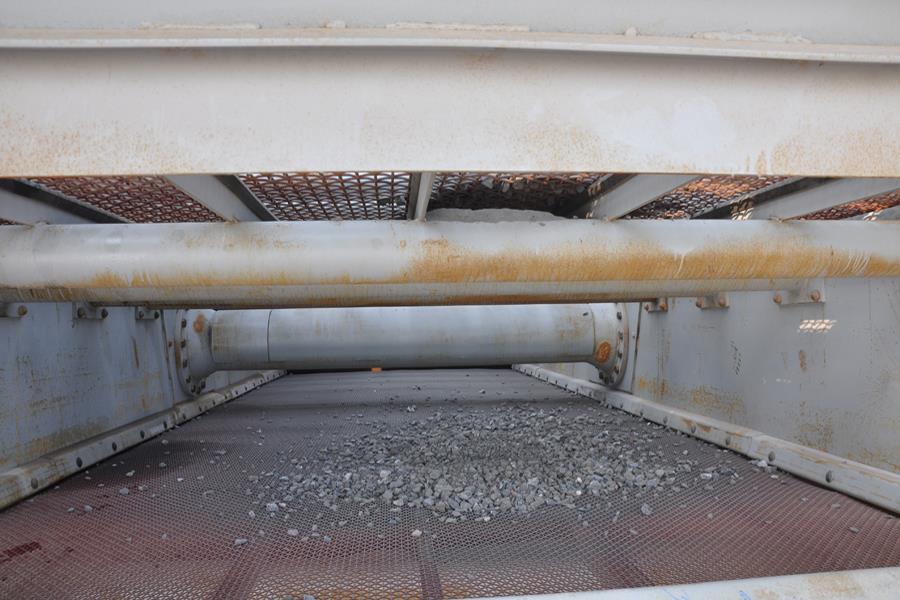
3. Screening and grading: Processed aggregates are then screened through a vibrating screen system. Pebble aggregates meeting the required particle size specifications are discharged via belt conveyors;
4. Recirculating Crushing: Qualified processed material constitutes the desired finished product, while non-compliant material is sequentially returned to the crushing chamber for further processing. This cycle may be repeated multiple times until product specifications are met.
B. Advantages of the Aggregate Production Line
1. High Degree of Mechanisation: Seamless coordination between production line equipment minimises labour costs. Stable machinery performance and high production efficiency enable the generation of high-quality finished aggregates for investors, thereby enhancing profitability.
2. Broader Application Scope: The aggregate crushing line enables coarse, medium, and fine crushing of stones. The resulting finished aggregates exhibit superior particle shape and uniform gradation, elevating the quality of final products. This supplies premium aggregates for high-grade motorways, railways, water conservancy projects, concrete mixing plants, and other industrial applications.
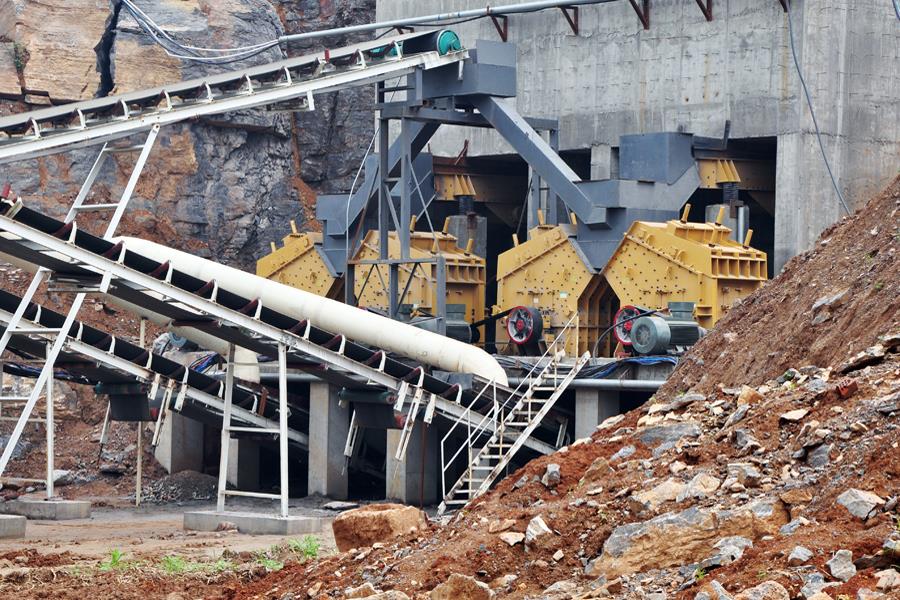
Complete stone crushing production lines comprise integrated crushing sites formed by multiple machines. Unconstrained by material size or equipment limitations, they offer flexible configuration options to select the most suitable machine combinations for crushing operations.
With 40 years of expertise in manufacturing and developing large-scale mining equipment, OCP Heavy Industry specialises in core machinery including jaw crushers, impact crushers, cone crushers, sand makers, washing equipment, and conveying systems. We tailor production line solutions to client requirements, offering complimentary installation and training. Site visits to our facilities are welcome! Click our website chat for immediate free consultation – available 24 hours.
-
What distinguishes primary crushing equipment such as jaw crushers and hammer crushers
-
What is the investment required for a mobile sand-making production line
-
What are the primary factors influencing the sand-making performance of vertical impact crushers
-
-
The Role of Jaw Crushers and Impact Crushers in Mechanically Produced Sand Production Lines