
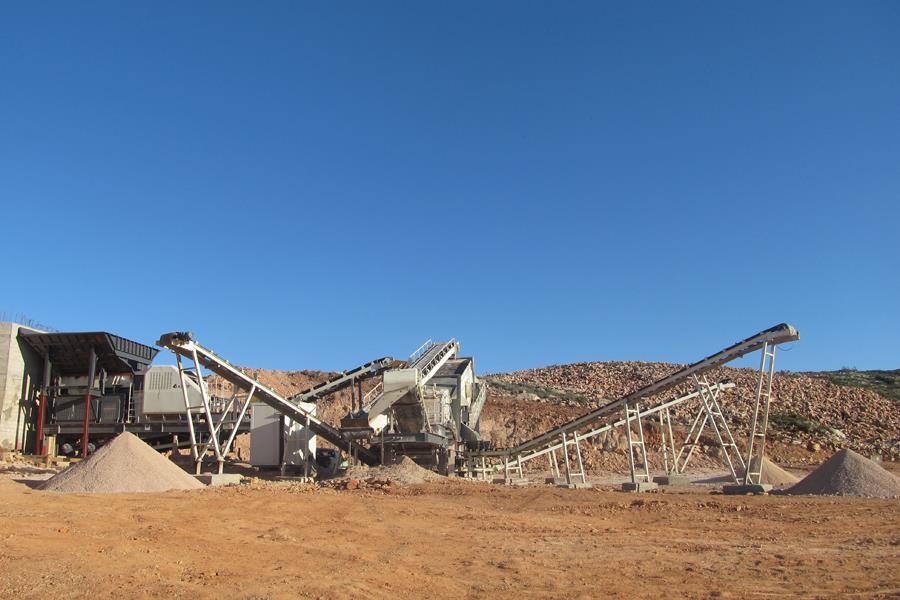
Mobile vs Fixed Crushing Plants in 2026: A Complete Cost and ROI Comparison
The Choice That Determines Project Profitability
Selecting between a mobile and a fixed crushing plant is one of the most consequential decisions in mining, quarrying, and construction waste recycling. The choice directly determines project investment, operating efficiency, and long-term profit. FTM Machinery‘s latest comparative analysis provides a comprehensive framework for this decision, examining both options across capacity, feed size, investment cost, deployment time, mobility, and long-term operating economics. For operators planning new crushing capacity—whether for aggregates production, mining, or C&D waste processing—understanding these trade-offs is essential. OCP Mechanical Company, as the export brand of Liming Heavy Industry, supplies both mobile crushing stations and complete fixed crushing plants, giving us a unique perspective on when each solution delivers the best return. Our direct factory model eliminates intermediaries, delivering factory-direct pricing and responsive technical support. This guide summarises the key findings and translates them into practical selection criteria for your project.
Capacity and Feed Size: Defining the Operational Envelope
The most fundamental difference between mobile and fixed crushing plants lies in their capacity and feed size envelopes. Mobile crushing plants accept average feed sizes of 180–800 mm and deliver capacities of 10–650 TPH, while stationary plants handle feed sizes up to 1,000 mm with capacities ranging from 400 to 2,000 TPH . This gap reflects the engineering realities of each platform. Mobile crushers are constrained by road transport regulations, chassis load-bearing limits, and the need for compact dimensions. Fixed plants face no such constraints: they can accommodate larger primary crushers, wider screens, and higher-capacity conveyors, enabling the higher throughputs that large-scale quarries and mines require.
For operators, this distinction is often the first filter in the selection process. A project requiring 800 TPH or more is essentially pre-determined to need a fixed plant, while a project targeting 200 TPH or less can consider both options. The middle ground—roughly 300 to 650 TPH—is where the decision becomes more nuanced and where total project economics, rather than capacity alone, should drive the choice. OCP Mechanical Company supplies mobile jaw crushers with feed openings from 600×900 mm to 1,100×1,200 mm and capacities from 90 to 650 TPH, alongside fixed crushing plants engineered for capacities exceeding 1,000 TPH . Our engineering team can model your specific feed characteristics and production targets to determine whether a mobile or fixed configuration delivers the optimal balance.
Investment Cost: A Nuanced Picture Beyond Equipment Price
The investment comparison between mobile and fixed crushing plants is frequently misunderstood. On pure equipment cost, mobile units carry a 30–70% premium per installed tonne compared to equivalent fixed equipment . However, this comparison ignores the civil construction costs that fixed plants require. A stationary plant needs reinforced concrete foundations, steel plant structures, site levelling, and often an enclosed building—capital expenditures that can add 20–40% to the total project cost and extend the timeline from order to first ton to 14–24 weeks .
Mobile plants require no concrete foundation—only a compacted gravel pad—and can be producing within 3–14 days of arrival on site . The deferred capital and accelerated revenue can substantially offset the higher equipment price, particularly for projects with defined timelines. Industry data shows that mobile crushing spreads can require 60–90% less total investment than equivalent fixed installations when civil works, foundations, and site preparation are fully accounted for. For a project with a 3–5 year horizon, the total cost of ownership often favours mobile; for a 20-year permanent quarry, fixed plants deliver the lowest cost per ton over their service life.
Deployment Speed: Days Versus Months
The deployment speed difference between mobile and fixed plants is dramatic and has direct revenue implications. Mobile crushing plants can be put into operation within 7 days at the earliest, thanks to their folded and compact structure, requiring no fixed installation . In practice, most mobile plants achieve first production within 3–14 days of arrival on site . Fixed plants, by contrast, require site preparation, foundation pouring, structural steel erection, equipment installation, and commissioning—a sequence that typically takes 14–24 weeks and can extend longer in remote locations or adverse weather conditions.
For contractors and operators, this time difference translates directly to cash flow. Every week of delayed production represents lost revenue and extended financing costs. For projects with tight schedules—such as highway construction, tunnel projects, or demolition contracts with fixed completion dates—mobile plants provide a decisive advantage. OCP Mechanical Company‘s tracked mobile crushing stations are engineered for rapid deployment, with hydraulic folding conveyors, self-propelled chassis, and one-touch PLC control systems that minimise setup time. Our engineering team can provide detailed deployment timelines for your specific site conditions and production requirements.
Mobility and Relocation: When Flexibility Justifies the Premium
The ability to relocate is perhaps the most distinctive advantage of mobile crushing plants. A mobile crushing station is an integrated unit that combines feeding, crushing, screening, and conveying functions on a tracked or wheeled chassis . This design enables several operational advantages that fixed plants cannot match. In-pit crushing: mobile units can be driven directly to the working face, significantly reducing short-haul transportation distances and fuel costs. Multi-site deployment: the same equipment can be transferred between quarry sites, construction projects, or demolition locations, spreading the capital cost across multiple revenue-generating applications. Adaptability to advancing faces: as mining progresses and the working face moves, mobile plants can follow, whereas fixed plants require increasingly long hauls to deliver material to a stationary crushing point.
These advantages come with trade-offs. Tracked chassis require higher maintenance than fixed installations—track plates and supporting wheels are wear components that need periodic replacement, and hydraulic travel mechanisms add complexity and maintenance frequency . Fuel consumption for self-propelled movement is also a factor. However, for operations where relocation is a genuine requirement—whether due to short project durations, scattered deposits, or advancing mine faces—these costs are more than offset by the savings in material haulage and the ability to redeploy capital equipment across multiple projects.
Operating Cost: The Long-Term Perspective
In long-term, high-volume operations, fixed crushing plants deliver the lowest operating cost per ton. Their ability to operate from the industrial power grid, rather than diesel generators, results in significantly lower energy costs per tonne processed. They also provide ample space for inspection and maintenance, with easy access to all components and readily available spare parts . The relatively fixed production-line workflow facilitates centralised management and stable, continuous operation with a low failure rate.
Mobile plants, by contrast, have a higher per-ton operating cost due to several factors: single-unit capacity limits, higher energy consumption per tonne (particularly when diesel-powered), and more frequent maintenance requirements for the travel mechanism and hydraulic systems. Industry sources note that the output value of a mobile crusher is equivalent to a small or medium-sized fixed production line, and for users with high production capacity requirements, mobile solutions may not meet normal output targets . This is not a weakness of mobile technology—it is a reflection of the engineering trade-offs inherent in designing a machine that must balance crushing performance with transportability. The key is to match the technology to the application: mobile for flexibility and short-to-medium-term projects, fixed for long-term, high-volume, stationary operations.
The Decision Framework: Matching Technology to Project Requirements
Synthesising these factors, a clear decision framework emerges. Mobile crushing plants are the preferred solution when the project involves short-term contracts (5 years or less), construction waste recycling where the working site advances, scattered or multiple quarry deposits, highway and tunnel projects that move as construction progresses, or remote sites lacking power infrastructure . In these scenarios, the ability to process material on-site, relocate as needed, and redeploy the equipment to new projects delivers decisive economic advantages.
Fixed crushing plants are the optimal choice for permanent quarries with 20-year horizons, large-scale mining operations requiring 300+ TPH, high-quality aggregate processing bases with stable feed sources, and projects with flat, open sites and complete power supply . In these applications, the lower operating cost per ton, higher capacity ceiling, and easier maintenance access of fixed installations deliver superior long-term economics.
OCP Mechanical Company supplies both mobile crushing stations and complete fixed crushing plants, allowing us to provide objective, application-driven recommendations rather than steering every project toward a single technology. Our tracked mobile crushing stations are available with capacities from 90 to 650 TPH, in configurations including mobile jaw crushers, mobile impact crushers, mobile cone crushers, and complete mobile crushing and screening trains . Our fixed crushing plants are engineered for capacities exceeding 1,000 TPH, with modular designs that simplify assembly and reduce civil construction costs.
OCP Mechanical Company: Factory-Direct Solutions for Every Application
OCP Mechanical Company, as the export brand of Liming Heavy Industry, brings over 40 years of manufacturing experience to every project. We understand that the mobile-versus-fixed decision is not about which technology is superior—it is about which technology delivers the best return for your specific project conditions. Our engineering team works closely with each customer to evaluate feed characteristics, production targets, site conditions, project duration, and capital constraints, then recommends the configuration that optimises total cost of ownership. Whether you need a single mobile jaw crusher for a demolition contract or a complete fixed crushing and screening plant for a permanent quarry, we have the equipment and expertise to deliver. As a direct factory manufacturer, we eliminate distributor margins, passing the savings directly to you. All price information provided is for reference only; final quotes depend on equipment configuration, shipping terms, optional features, and current exchange rates. Our after-sales support includes remote diagnostics, spare parts delivery, and wear-part prediction services to minimise downtime and extend equipment life. Product specifications are continuously updated; please consult our online customer service for the latest technical parameters tailored to your application.
Your Next Step: Get a Custom Recommendation for Your Project
The mobile-versus-fixed decision is too important to make based on general rules alone. Every project has unique feed characteristics, site conditions, production targets, and financial constraints that must be weighed together. OCP Mechanical Company offers factory-direct pricing on both mobile crushing stations and fixed crushing plants, with engineering support to help you make the right choice. Our online customer service is available 24 hours a day, seven days a week, to provide free consultations, updated price references, and equipment selection guidance. Click the chat button now to discuss your project with a specialist—we are ready to help you build a more efficient and profitable crushing operation.
-

-
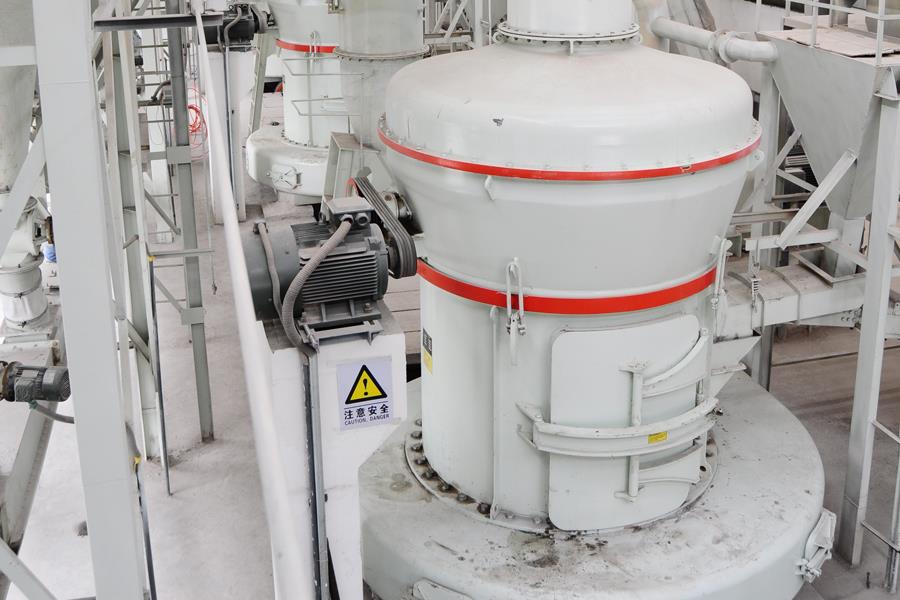
AI-Powered X-Ray Ore Sorting Market to Reach USD 836 Million by 2036
-
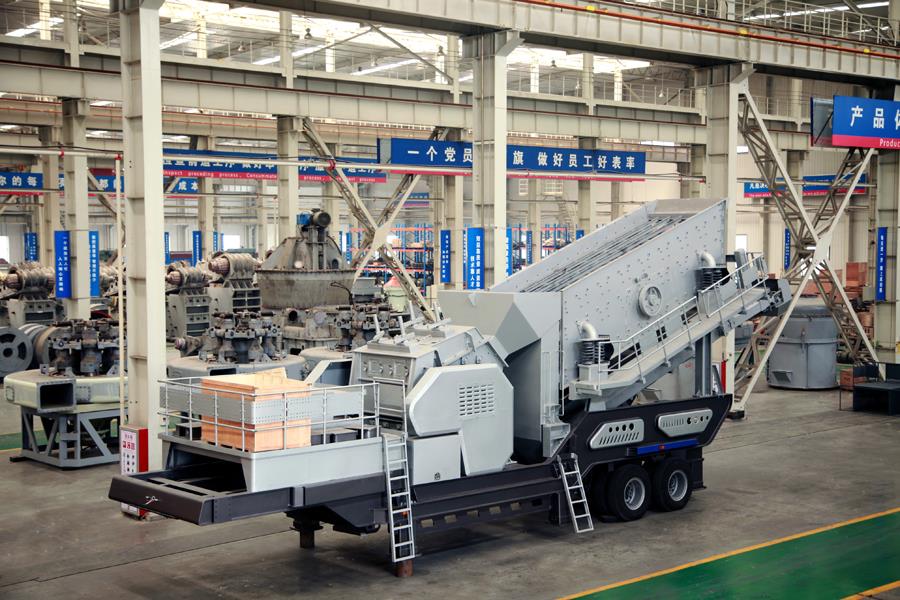
How to Maintain a Cone Crusher for Cobalt Ore 140 TPH in DRC
-
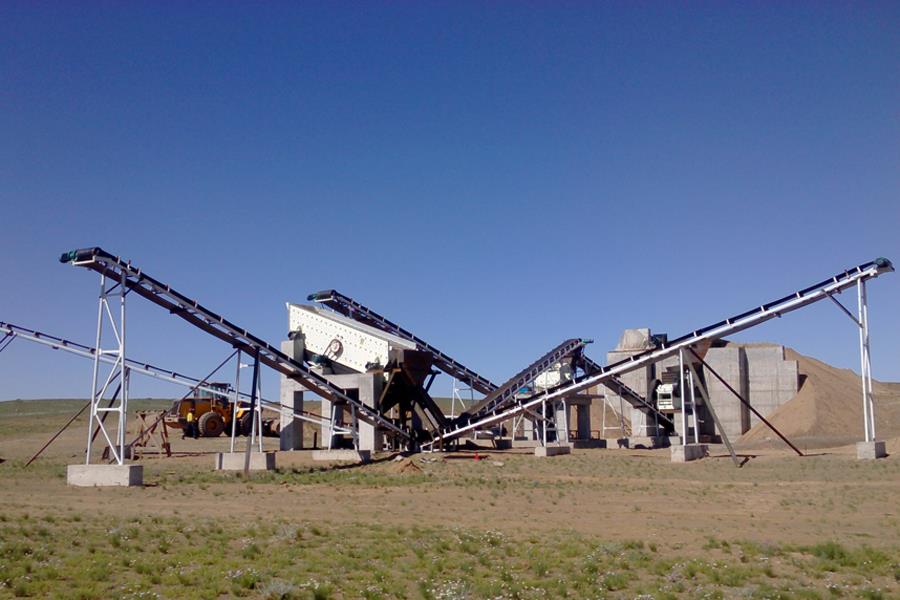
STEINERT AI Ore Sorting Line Deployed at Navachab Gold Mine in Namibia
-
110 TPH Mobile Impact Crusher for Construction Waste in Nairobi Kenya



