
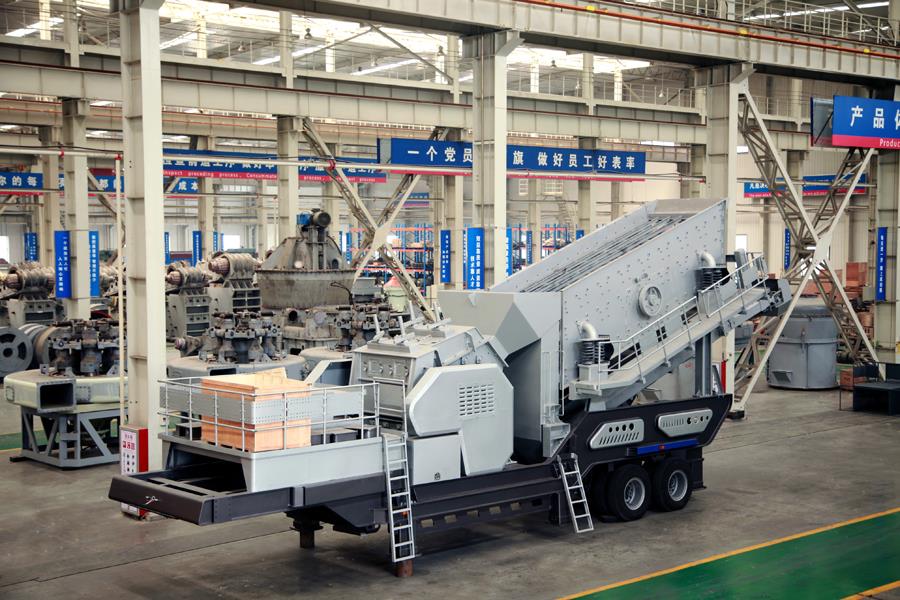
How to Maintain a Cone Crusher for Cobalt Ore 140 TPH in DRC
DRC Cobalt Dominance: Why Reliable Crushing Equipment Matters
The Democratic Republic of Congo stands at the centre of the global cobalt supply chain, accounting for approximately 70% to 75% of global mined cobalt production. The country produced 100,015 tonnes of cobalt in 2025, with the Lualaba province and its commercial centre Kolwezi serving as the industry‘s operational heart. Major operators including CMOC, Glencore, and Eurasian Resources Group continue to expand production across the Copperbelt, driving sustained demand for reliable crushing equipment capable of handling cobalt-copper ores. For operators running a 140 TPH cobalt ore cone crusher in DRC, maintenance is not merely a routine task—it is the foundation of production continuity and cost control. The combination of abrasive ore characteristics, challenging power supply conditions, and extended logistics lead times makes disciplined maintenance essential. OCP Mechanical Company, with over 40 years of manufacturing experience, supplies high-performance cone crushers engineered for the demands of African mining operations. Our direct factory model eliminates intermediaries, delivering factory-direct pricing and responsive technical support.
Daily Walk-Around Inspections: The First Line of Defence
Effective maintenance of a 140 TPH cobalt ore cone crusher begins with daily walk-around inspections. At the start of each shift, operators should conduct a visual inspection of the crusher and surrounding area to check for potential issues. Evidence of an oil leak or excessive puddling of lubricant is a red flag that requires immediate attention. Lubricating and hydraulic oil levels should rest at the correct level, and the oil reservoir should be accessed without knocking contaminants into it. The oil strainer should be clear, conveyor and drive belts aligned and taut, and all bolts tight. A visual check on the pinion shaft housing for leakages, along with a tactile check of its temperature, reveals problems that can occur during operation. Material spillage underneath the machine may need to be addressed to ensure residue does not find its way into components and contaminate lubrication. For DRC operations where fine cobalt-copper ore dust is pervasive, this daily inspection establishes a baseline for crusher performance and catches small issues before they escalate.
Lubrication and Hydraulic Systems: Protecting the Heart of the Crusher
Proper lubrication is the single most critical factor in extending the service life of a cobalt ore cone crusher. Bearings are the heart of the cone crusher, and their failure is catastrophic. Operators should use only the ISO viscosity grade oil specified by the manufacturer—commonly ISO VG 150 or 220—and perform regular oil analysis every 500 hours to monitor particle count, viscosity, moisture content, and wear metals. Oil temperature should be monitored continuously; normal operating temperature typically ranges between 45°C and 55°C. Sustained temperatures above 60°C can degrade oil quality and damage bearings. Oil pressure should remain within the manufacturer‘s specified range, usually between 100-150 kPa for lubrication. The hydraulic system should be inspected weekly for leaks, dents, or corrosion in cylinders, accumulators, valves, and lines. In DRC‘s demanding environment, where power fluctuations can affect hydraulic pump performance, maintaining correct oil pressure and temperature is essential to preventing unplanned downtime.
Liner Wear Monitoring: Managing the Primary Wear Component
The mantle and concave liners are the primary wear components in any cone crusher, and their condition directly determines crushing efficiency, product quality, and operating costs. For a 140 TPH cobalt ore cone crusher in DRC, liner wear rates are influenced by the abrasive nature of the ore and the presence of silica-associated gangue minerals. Operators should measure mantle and concave liner thickness weekly using mechanical or laser profiling tools, replacing liners before they are worn beyond recommended limits to prevent damage to the crusher head and bowl seats. Uneven wear is a common problem caused by segregated or poorly distributed feeds, which can result in unnecessary high force amplitudes that are deleterious for both the machine and crusher performance. Sampling the discharge material regularly helps identify whether the crusher is producing the target product size or whether liner wear is affecting output. In one field study, approximately 70% of abnormal wear on wear parts such as crushing mantles and concave liners stemmed from impurity impact and material unevenness. Ensuring uniform feeding and conducting regular wear inspections can extend liner life by 15–25%.
Gear Mesh, Backlash, and Mechanical Checks
Beyond liners, several mechanical checks are essential for maintaining a 140 TPH cone crusher in DRC. The bevel gear and pinion gear contact pattern and backlash should be checked according to OEM specifications—typically 0.5–0.8 mm for many cone crushers. Improper mesh causes premature wear, noise, and potential tooth fracture. The eccentric assembly and thrust bearings should be inspected for wear, as excessive clearance can alter the crushing stroke and reduce throughput. All critical fasteners—including bowl clamping bolts, main shaft nuts, and adjustment ring threads—should be systematically checked for tightness using a calibrated torque wrench. Vibration analysis is a valuable diagnostic tool: abnormal vibration often indicates liner wear, loose components, imbalance, or gear mesh issues. For DRC operations where cobalt-copper ore processing runs continuously, these mechanical checks should be integrated into the weekly maintenance routine.
Power Supply and Environmental Challenges in DRC Operations
Operating crushing equipment in the DRC presents unique infrastructure challenges that directly affect maintenance planning. The national electricity grid lacks the reliability required for continuous mining operations, with frequent outages that can cause sudden equipment shutdowns and restart stresses. Major operators have responded through captive generation and hybrid power systems. For crushing circuits, power instability can affect hydraulic system performance, cause premature wear on electrical components, and create thermal cycling that stresses bearings and seals. Maintenance teams should therefore pay particular attention to the electrical system, inspecting motor connections, control panels, and protection devices regularly. The cooling system—including oil cooler fans and heat exchangers—must be kept clean and functional, as DRC‘s tropical climate and dusty conditions can quickly reduce cooling efficiency. Cross-border logistics constraints, with road transport costs of USD 60–100 per tonne to the Zambian border, mean that spare parts inventory planning is critical to avoiding extended downtime.
Preventing Common Failures: A Proactive Approach
Preventing premature wear part failure in cobalt ore crushing requires a combination of proper selection, disciplined operation, and proactive maintenance. Lubrication failure is responsible for over 70% of premature wear in cone crushers, making oil quality monitoring and timely filter replacement the highest-priority maintenance activities. Uneven feeding causes segregated material distribution, leading to uneven liner wear and reduced throughput; installing a well-designed feeder and ensuring consistent feed rate addresses this issue. Tramp iron can cause catastrophic damage to liners and mechanical components; installing metal detectors and tramp release systems upstream of the crusher provides essential protection. Packing occurs when sticky cobalt ore builds up in the crushing chamber, reducing throughput and creating uneven wear; controlling feed moisture and maintaining adequate crusher speed mitigate this problem. Delayed liner replacement not only reduces crushing efficiency but also causes damage to the crusher head and bowl seats, leading to much more expensive repairs. Establishing a structured inspection schedule—daily visual checks, weekly wear measurements, and monthly performance reviews—enables operators to track wear rates and plan replacements during scheduled maintenance windows.
OCP Mechanical Company: Factory-Direct Wear Parts and Crushing Solutions for DRC
With over 40 years of manufacturing experience and exports to more than 180 countries and regions worldwide, OCP Mechanical Company brings proven expertise to the DRC‘s expanding cobalt mining sector. Our product range includes cone crusher mantles, concaves (bowl liners), and other wear parts—manufactured from high-quality manganese steel in Mn13Cr2, Mn18Cr2, and Mn22Cr2 grades and built to rigorous quality standards. We understand the specific requirements of cobalt-copper ore processing in the DRC: wear parts must withstand high abrasion, resist packing, and deliver consistent performance in tropical operating conditions. As a direct factory manufacturer, we eliminate distributor margins, passing the savings directly to you. This is particularly valuable in the Congolese market, where import costs and logistics can add significant expense to consumable purchases. All price information provided is for reference only; final quotes depend on liner specifications, quantity, shipping terms, and current exchange rates. Our engineering team can recommend the optimal manganese grade, liner profile, and replacement interval based on your specific ore characteristics, crusher model, and production targets. Product specifications are continuously updated; please consult our online customer service for the latest technical parameters tailored to your application.
Complete Crushing Solutions and After-Sales Support for DRC Operations
While quality wear parts are essential, the crusher itself must be properly maintained and matched to your application. OCP Mechanical Company supplies complete cone crushers, jaw crushers, impact crushers, VSI crushers, vibrating screens, feeders, and complete crushing and screening plants—all brand-new and built to rigorous quality standards. Our after-sales support includes remote diagnostics, spare parts delivery, and wear-part prediction services to minimise downtime and extend equipment life. With the DRC‘s cobalt sector continuing to expand—driven by sustained global demand for battery materials and the government‘s push for domestic processing—ensuring your crushing plant remains operational is essential to capitalising on market opportunities. Our team is available to assist with installation supervision, commissioning, and ongoing operational questions. With a 40-year track record of reliability and customer satisfaction, we have built lasting relationships with clients across the globe—relationships based on trust, performance, and mutual success.
Your Next Step: Get Expert Maintenance Guidance and a Custom Quote
The DRC‘s cobalt mining sector is entering a new phase of growth, driven by major mine expansions, government incentives for domestic processing, and rising global demand for critical minerals. For operators running a 140 TPH cobalt ore cone crusher, disciplined maintenance—daily inspections, proper lubrication, liner wear monitoring, and mechanical checks—is the foundation of production continuity and profitability. OCP Mechanical Company offers factory-direct, high-quality cone crusher wear parts and complete crushing solutions engineered for durability and low total cost of ownership—all at competitive prices. Our online customer service is available 24 hours a day, seven days a week, to provide free consultations, updated price references, and equipment selection guidance. Click the chat button now to discuss your project with a specialist—we are ready to help you build a more efficient and profitable cobalt processing operation in the Democratic Republic of Congo.
-
STEINERT AI Ore Sorting Line Deployed at Navachab Gold Mine in Namibia
-
110 TPH Mobile Impact Crusher for Construction Waste in Nairobi Kenya
-
Kleemann Debuts MOBIREX MR 130 EVO with Lock & Turn at Steinexpo 2026
-
HEP Conveyor Belts Revolutionize Mining Material Handling Systems
-
Hitachi and Pronto Partner to Advance Open Mine Automation Solutions



