HEP Conveyor Belts Revolutionize Mining Material Handling Systems
Material Revolution: High-Energy Polyester Emerges as the New Standard
The conveyor belt industry is undergoing a fundamental material shift that promises to reshape how aggregate and mining operations move material. According to a September 2026 Pit & Quarry feature, high-energy polyester (HEP) is emerging as a superior alternative to nylon in conveyor belt construction, offering comparable or better performance with significant advantages in supply stability, cost predictability, and environmental sustainability. HEP is derived from polyester but engineered with nylon-like characteristics, making it suitable for use in all textile belts in mining applications. The material can be used in either the weft direction for impact resistance or the warp direction for lengthwise tension-carrying—or both—and is compatible with any weave design. For quarry operators and mining companies facing persistent challenges with rising material costs and supply chain disruptions, HEP represents a practical solution that addresses multiple pain points simultaneously. OCP Mechanical Company, with over 40 years of manufacturing experience, supplies high-performance jaw crushers, cone crushers, impact crushers, and complete crushing and screening plants engineered to integrate seamlessly with modern material handling systems. Our direct factory model eliminates intermediaries, delivering factory-direct pricing and responsive technical support.
The Nylon Problem: Supply Risks, Cost Volatility, and Environmental Concerns
Nylon has long been the go-to material for conveyor belts due to its impact resistance and tensile strength. However, the material presents mounting risks that are directly impacting mining operations. Nylon is an expensive reinforcement material, and raw material costs have increased significantly in recent years, with fluctuations in cost and availability projected to challenge the nylon market through 2029. Production capacity for nylon is constrained, creating supply risks and market instability—unforeseen events such as weather disruptions, fires, and transportation delays can trigger further shortages. Geopolitical tensions, including tariff uncertainty, have compounded these supply chain challenges, leading to increased costs and unpredictable material availability. Producing nylon also requires considerable energy, resulting in high carbon emissions that conflict with the environmental sustainability goals of modern mining operations. These converging pressures have forced the industry to seek alternatives and innovate in material science. As one industry analysis noted, global shortages of key materials exacerbated by the pandemic and geopolitical issues have accelerated the search for viable nylon replacements.
HEP Advantages: Ten Times the Global Capacity and Up to 69% Lower Carbon Footprint
HEP directly addresses the challenges associated with nylon. The most striking advantage is supply chain resilience: polyester has 10 times more global production capacity than nylon, providing significantly more stability in supply, pricing, and lead times. This production scale means that mining operations can plan equipment purchases and maintenance schedules with greater confidence, reducing the risk of costly delays due to material shortages. The environmental benefits are equally compelling. Transitioning from polyamide (nylon) to HEP reduces CO₂ emissions by up to 69% at the fiber level and up to 32% at the carcass level compared with conventional textile constructions. Less energy is used in HEP production, directly reducing the carbon footprint of belt manufacturing. Furthermore, HEP is recyclable, making it an integral part of the circular economy that is increasingly important to sustainability in manufacturing. For mining operations facing tightening emissions regulations and growing pressure from investors and communities to demonstrate environmental responsibility, these reductions represent meaningful progress toward decarbonisation targets.
Performance Validation: Equal or Better Than Nylon in Demanding Applications
Despite these advantages, HEP does not compromise on performance. Customer feedback and internal testing at Continental, where HEP is being integrated into conveyor belt manufacturing, validates that the material delivers equal or better performance than nylon for aggregate and mining applications when it comes to rip, tear, and tensile strength and other critical variables. HEP is designed to provide the features and benefits of nylon yarn—elasticity, shock absorption, and impact resistance—while using polyester’s wider availability and more stable supply base. ContiTech‘s HEP conveyor belt, for example, is designed to deliver a longer working life with fewer maintenance requirements while mitigating nylon yarn supply risks. These belts are highly suitable for typical fabric belt applications ranging from coal to more aggressive materials such as iron ore. For quarry operators and mining companies, this performance validation means that switching to HEP involves no trade-off in reliability or durability—only gains in supply security, cost predictability, and environmental performance.
Smart Belt Monitoring: Predictive Maintenance for Conveyor Systems
The material revolution in conveyor belts is being complemented by rapid advances in smart belt monitoring systems that enable predictive maintenance and reduce unplanned downtime. New monitoring technologies can detect wear, misalignment, and other potential issues before they escalate into catastrophic failures. By leveraging predictive maintenance, operators can schedule repairs proactively during planned maintenance windows rather than facing months of unexpected downtime due to sudden belt failures. Rulmeca’s recently introduced Monitoring System (RMS) offers continuous real-time monitoring of conveyor components, tracking vibration, temperature, amp draw, and drum rotation. The system establishes performance benchmarks after approximately 400 to 500 hours of operation, then monitors trends and triggers notifications if parameters spike or drift out of range. Thermal scanning technologies complement belt scanning by identifying abnormal heat signatures across critical components including bearings, pulleys, idlers, and drives—often the earliest indicator that something is wrong. For aggregate operations where conveyor systems are the backbone of material handling, these technologies transform maintenance from a reactive necessity into a proactive, data-driven discipline.
The Integration Imperative: Connecting Crushing and Conveying Systems
The advances in conveyor belt materials and monitoring systems carry important implications for the design and operation of crushing and screening circuits. As conveyor reliability improves and material handling becomes more predictable, the throughput constraints of the entire plant shift toward the crushing stages. A conveyor system that delivers consistent feed at higher reliability allows crushers to operate closer to their design capacity with fewer interruptions, improving overall plant utilisation and reducing cost per tonne. Conversely, crushers that deliver consistent, well-graded product reduce wear on conveyor belts by minimising impact damage from oversized material and reducing spillage at transfer points. This interdependence means that equipment selection decisions should be made with the entire material handling system in mind, not just individual machine specifications. OCP Mechanical Company‘s jaw crushers, cone crushers, and impact crushers are engineered to deliver consistent product sizing, reducing the burden on downstream conveying equipment and supporting the overall efficiency of the processing circuit. Our vibrating screens ensure effective classification at transfer points, minimising the volume of recirculated material and reducing unnecessary conveyor loading.
OCP Mechanical Company: Factory-Direct Crushing Solutions for Integrated Operations
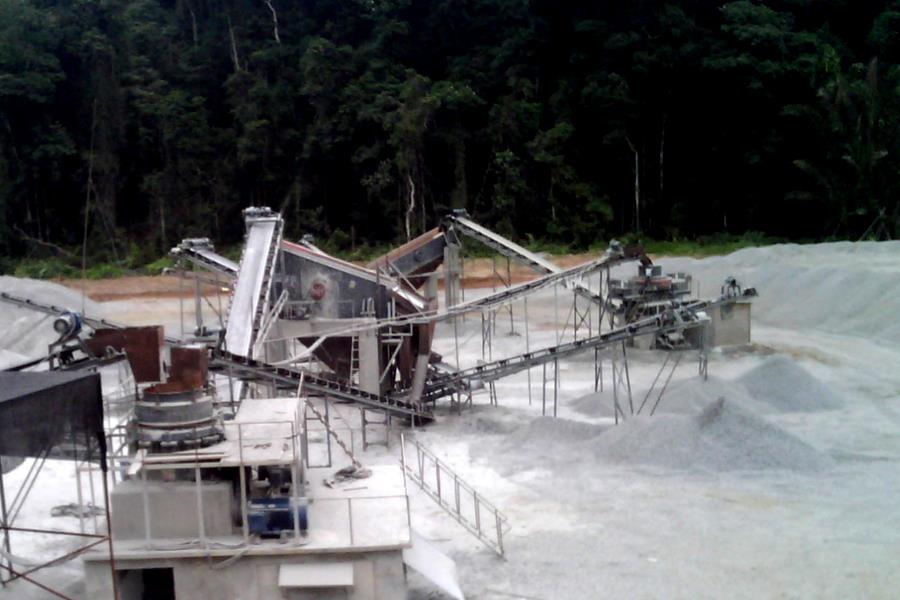
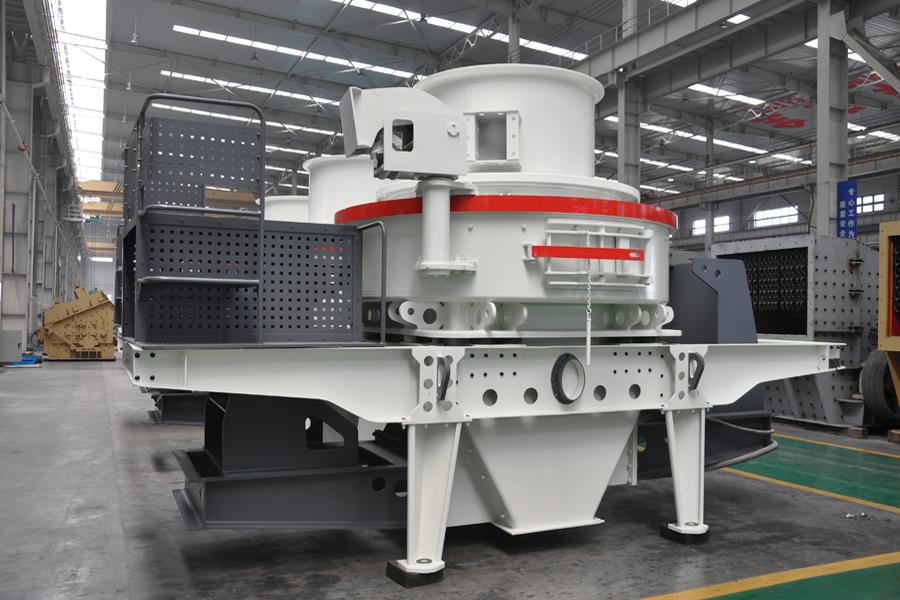
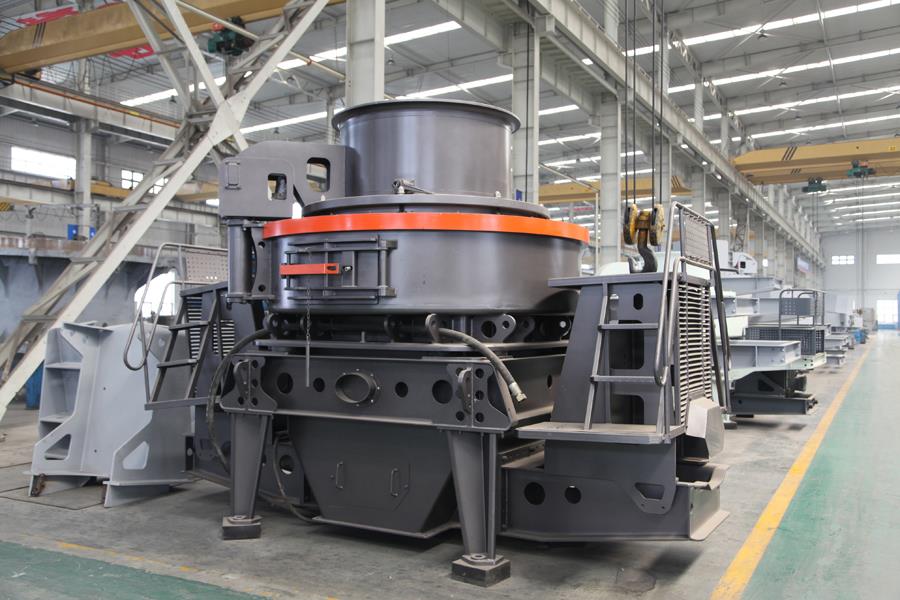
With over 40 years of manufacturing experience and exports to more than 180 countries and regions worldwide, OCP Mechanical Company brings proven expertise to mining and aggregate operations worldwide. Our product range includes jaw crushers, cone crushers, impact crushers, VSI crushers, vibrating screens, feeders, and complete crushing and screening plants—all brand-new and built to rigorous quality standards. We understand that in modern mining operations, the crushing circuit and the material handling system must work in harmony to achieve optimal performance. Our equipment is engineered for reliable, continuous operation with minimal downtime, supporting the stable material flow that efficient conveyor systems require. As a direct factory manufacturer, we eliminate distributor margins, passing the savings directly to you—a significant advantage when every dollar of capital expenditure must be justified against long-term operational returns. All price information provided is for reference only; final quotes depend on equipment configuration, shipping terms, optional features, and current exchange rates. Our engineering team works closely with each customer to design custom crushing plants that match specific site conditions, feed characteristics, and production targets. Product specifications are continuously updated; please consult our online customer service for the latest technical parameters tailored to your application.
Complete Crushing Solutions and After-Sales Support
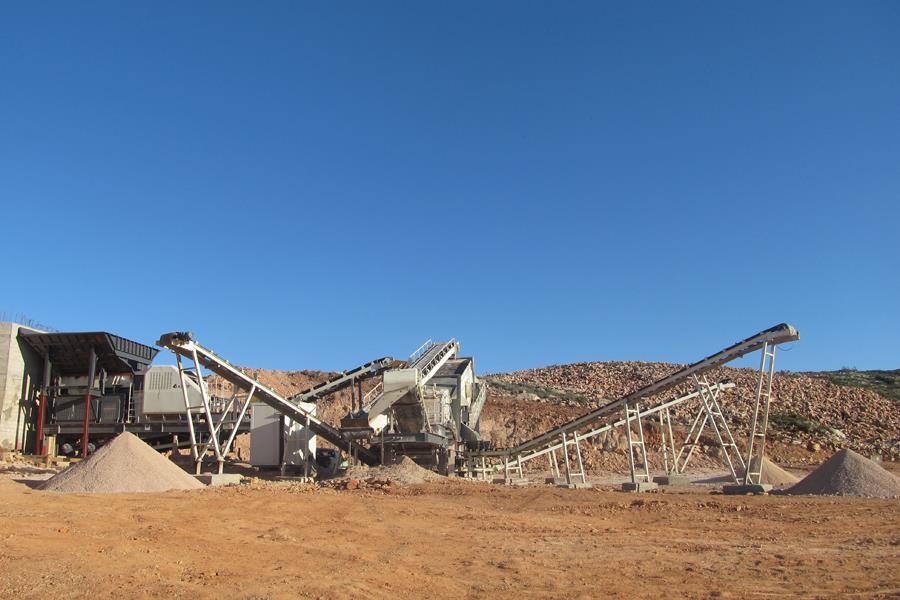
A crushing plant is most effective when integrated into a complete processing line designed for efficiency and reliability. OCP Mechanical Company supplies complete crushing and screening plants that include vibrating feeders, primary jaw crushers, secondary cone crushers or impact crushers, and vibrating screens for classification. Every component is matched to your capacity requirements, preventing bottlenecks and ensuring smooth continuous operation across multiple shifts. Our after-sales support includes remote diagnostics, spare parts delivery, and wear-part prediction services to minimise downtime and extend equipment life. With the global mining industry continuing to advance toward greater efficiency, lower emissions, and higher reliability, ensuring your crushing plant is designed for integration with modern material handling systems is essential to long-term competitiveness. Our team is available to assist with installation supervision, commissioning, and ongoing operational questions.
Your Next Step: Get a Custom Quote for Your Crushing Circuit
The conveyor belt material revolution—driven by HEP‘s superior supply chain resilience, lower carbon footprint, and proven performance—is transforming how mining operations approach material handling. Combined with smart belt monitoring that enables predictive maintenance, these advances are creating new standards for reliability and efficiency across the industry. For quarry operators and mining companies, the crushing circuit remains the foundation of the processing plant—and selecting the right equipment partner is critical to success. OCP Mechanical Company offers factory-direct, high-quality crushing and screening solutions engineered for durability, energy efficiency, and compatibility with modern material handling systems—all at competitive prices. Our online customer service is available 24 hours a day, seven days a week, to provide free consultations, updated price references, and equipment selection guidance. Click the chat button now to discuss your project with a specialist—we are ready to help you build a more efficient and profitable processing operation.
-
Hitachi and Pronto Partner to Advance Open Mine Automation Solutions
-
China's Artificial Sand Share Reaches 80% as Natural River Sand Declines
-
European Crusher Giants Accelerate Electrification Integration as Sandvik and Metso Lead the Charge
-
Sandvik Launches All-Electric UJ443E Jaw Crusher at Electra Mining Africa 2026
-