
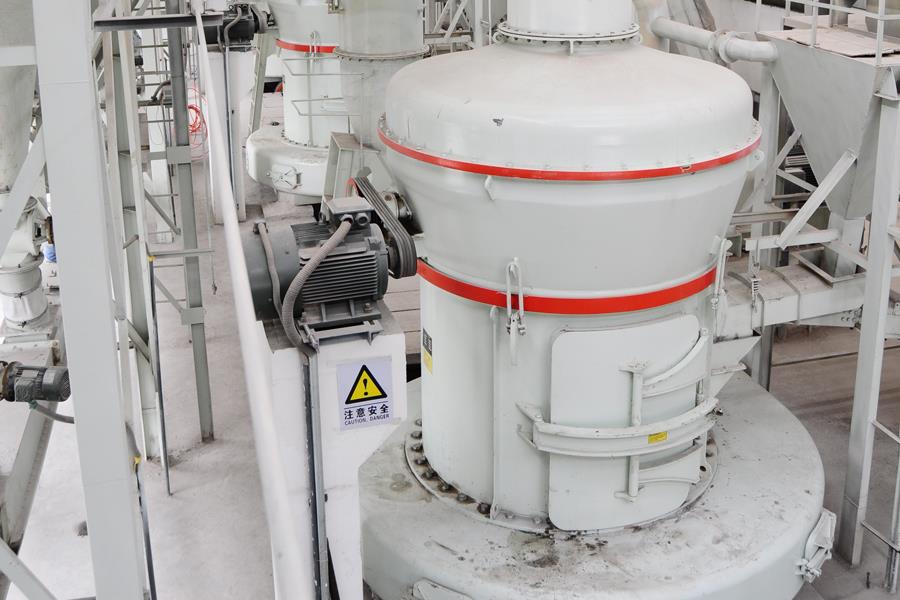
AI-Powered X-Ray Ore Sorting Market to Reach USD 836 Million by 2036
Market Milestone: Sensor-Based Sorting Emerges as Mining‘s Smartest Frontier
The global mining industry is witnessing a quiet but profound revolution at the intersection of artificial intelligence and sensor technology. According to industry analysis, the global sensor-based ore sorting market was valued at approximately USD 327 million in 2025 and is projected to reach USD 836 million by 2036, growing at a compound annual growth rate of 8.9%. The X-ray Transmission (XRT) mining sorters segment alone was estimated at USD 166 million in 2025 and is forecast to reach USD 325 million by 2032 at a CAGR of 10.1%. This growth is being driven by a fundamental shift in how mining operations approach ore processing: rather than crushing and grinding everything, operators are increasingly using AI-powered sorting to separate valuable ore from waste rock before it enters the energy-intensive comminution circuit. For quarry operators, mining companies, and equipment suppliers, this trend signals a transformation in how crushing circuits are designed and operated—and a new opportunity to reduce energy consumption, lower operating costs, and improve overall recovery. OCP Mechanical Company, with over 40 years of manufacturing experience, supplies high-performance jaw crushers, cone crushers, impact crushers, and complete crushing and screening plants engineered for the demands of modern, pre-concentration-enabled mining operations. Our direct factory model eliminates intermediaries, delivering factory-direct pricing and responsive technical support.
TOMRA CONTAIN™: Deep Learning Brings Subsurface Ore Detection to Life
The most significant technological breakthrough in ore sorting in 2025 came from TOMRA Mining with the launch of CONTAIN™, a deep learning solution purpose-built to classify complex inclusion-type ores with unprecedented accuracy. Unlike traditional optical sorting systems that struggle to detect low-grade or inclusion-type ores, CONTAIN uses convolutional neural networks to analyse X-ray imagery in real time, identifying subtle mineralogical patterns that indicate the presence of valuable metals such as tungsten, nickel, and tin. Each rock is assigned a probability score based on its likelihood of containing mineralisation below the surface, enabling precise, data-driven sorting decisions. The system was trained on tens of thousands of ore samples and can dynamically adjust the grade-recovery threshold via a touchscreen interface, giving operators precise control over yield and product specifications. Crucially, CONTAIN has demonstrated the ability to achieve accurate classification at 65 mm particle size, a level of precision that was previously unattainable with conventional sorting methods. Because it does not rely on specific throughput or belt spacing, the system maintains pinpoint accuracy even in dense, fast-paced input streams—making it suitable for high-volume processing plants where consistency, speed, and recovery rates are critical to profitability.
Brazil Potash Autazes: AI-Powered XRT Trial Targets 50% Underground Pre-Concentration
The practical application of AI-powered XRT sorting is being demonstrated at one of the world‘s most significant undeveloped potash deposits. In December 2025, Brazil Potash Corp. announced the initiation of an Artificial Intelligence Optical Ore Sorting trial at its Autazes Project in Amazonas, Brazil. The trial is evaluating AI-powered X-ray Transmission (XRT) sorting technology to pre-sort mined ore either underground prior to hoisting or at surface prior to processing. The technology combines advanced XRT sensing with sophisticated machine learning algorithms to identify and separate valuable potash minerals from waste rock in real time, analysing the atomic density and composition of individual rock particles as they pass through the sorting equipment. The potential benefits are transformative: recent successful application of AI at a commercial potash operation demonstrated the ability to concentrate ore by approximately 50% underground before it is hoisted to surface and fed to the processing plant. If replicated at Autazes, this would significantly reduce the required capacity of the surface processing plant, lower construction capital requirements, reduce the main shaft diameter, and lower ongoing mine energy consumption. As Brazil Potash CEO Matt Simpson noted, the trial represents a potential “game-changer” for project economics. For the crushing equipment industry, this project illustrates how pre-concentration technologies are reshaping circuit design—reducing the volume of material that needs to be crushed, ground, and processed.
The Pre-Concentration Advantage: Why Sorting Changes Crushing Circuit Economics
The integration of AI-powered sorting into mining flowsheets delivers direct and measurable benefits to the crushing and grinding circuit. By removing waste material early in the process, ore sorting reduces the amount of barren rock that must be crushed, conveyed, hoisted, and milled. Industry analysis confirms that pre-concentration at crushing sizes—typically 10–100 mm—can reject a high quantity of non-valuable material before it enters the energy-intensive grinding circuit. This delivers multiple benefits: reduced comminution energy consumption, extended lifespan of crushing and grinding equipment, lower grinding media usage, and reduced overall processing costs. When sorting is situated in the crushing circuit, the removed waste does not need to be milled further downstream, allowing either higher throughput of valuable material in the existing plant or major capital investment savings by decreasing plant size. For operators of jaw crushers, cone crushers, and impact crushers, this trend means that crushing circuits are increasingly being designed with pre-concentration in mind—with sorting equipment positioned after primary or secondary crushing to remove waste before it reaches the tertiary and grinding stages. This reduces the load on the tertiary crusher, lowers wear on liners, and improves the grade of material entering the downstream process.
Market Drivers: Declining Ore Grades and the Economics of Low-Grade Processing
The rapid adoption of AI-powered XRT sorting is being driven by two fundamental industry trends. First, ore grades are declining across most major mining districts worldwide. As high-grade deposits are depleted, operators are increasingly processing lower-grade, more complex ores that would have been considered uneconomic in previous decades. Pre-concentration via sensor-based sorting makes these low-grade deposits economically viable by rejecting waste early and concentrating the valuable material before it enters the energy-intensive grinding circuit. Second, energy costs and environmental regulations are intensifying pressure on mining operations to reduce their carbon footprint and water consumption. Sensor-based sorting reduces energy consumption by rejecting waste before it is needlessly crushed and ground, while also reducing water usage and tailings generation. The Asia-Pacific region is leading the adoption of sensor-based sorting, with the market projected to grow from approximately USD 380–420 million in 2026 to USD 780–870 million by 2035. India represents 12–16% of regional demand and is the fastest-growing major market, with a CAGR of 12–15% projected for 2026–2035. For equipment suppliers, these trends create sustained demand for crushing and screening plants that can be integrated with sorting equipment, as well as for crushers that deliver the consistent particle size distribution required for effective sensor-based sorting.
Implications for Crushing Equipment Selection and Circuit Design
The rise of AI-powered ore sorting has direct implications for how crushing circuits are designed and how crushing equipment is selected. First, particle size distribution becomes even more critical: sorting equipment performs best with a narrow, consistent feed size range, which places greater demands on the primary and secondary crushing stages to deliver a well-graded product. Jaw crushers and cone crushers with hydraulic adjustment systems that enable precise closed-side setting control are increasingly valuable in this context. Second, circuit flexibility becomes more important: operators need the ability to adjust crushing parameters as ore characteristics change and as sorting equipment is optimised. Variable-frequency drives on feeders and automated CSS adjustment on cone crushers enable this flexibility. Third, equipment reliability is paramount: a sorting circuit that depends on consistent feed from the crushing stage cannot tolerate unplanned crusher downtime. High-manganese steel liners, robust frame construction, and predictive maintenance capabilities all contribute to the reliability that integrated sorting-crushing circuits require. OCP Mechanical Company‘s jaw crushers, cone crushers, and impact crushers are engineered with these requirements in mind, delivering consistent product sizing, reliable operation, and compatibility with modern process control systems.
OCP Mechanical Company: Factory-Direct Crushing Solutions for the Sorting Era
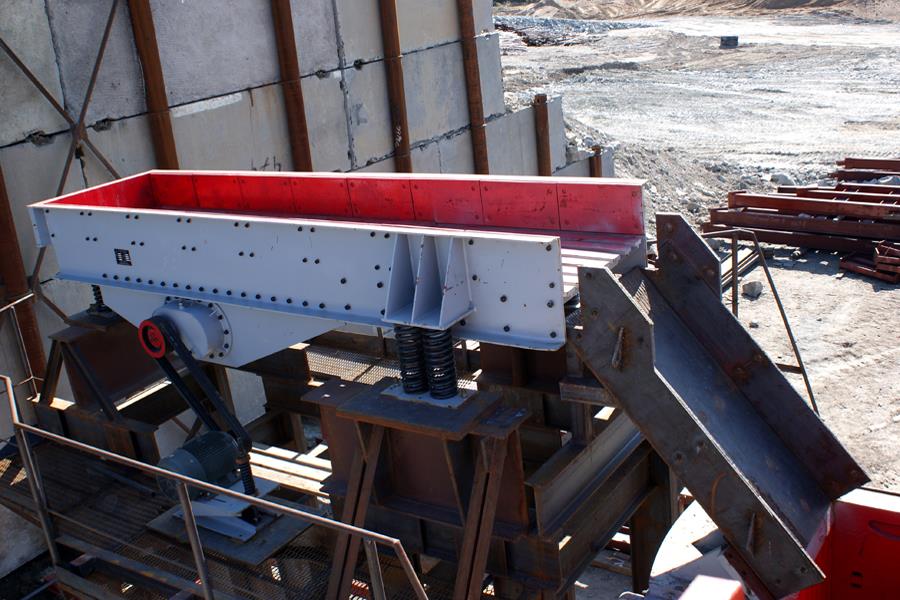
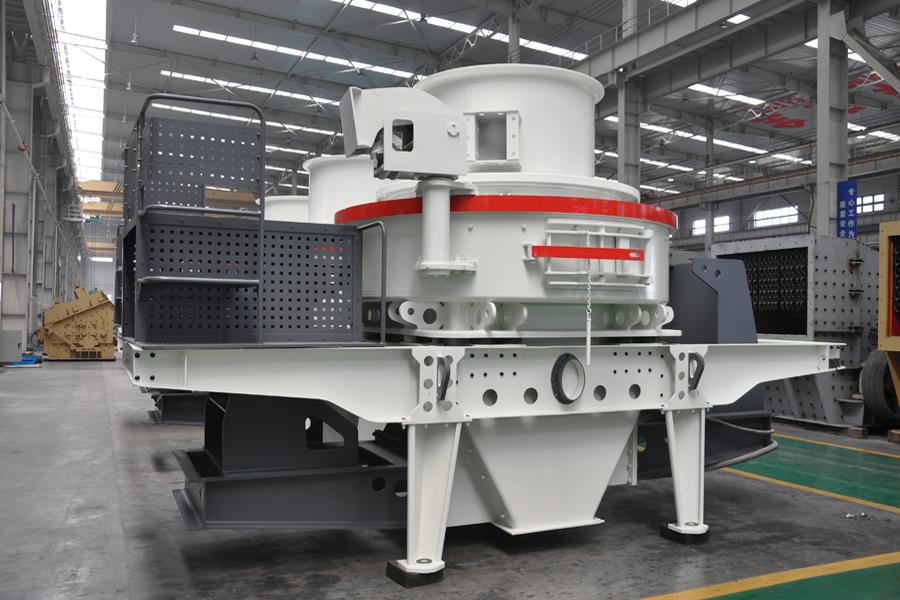
With over 40 years of manufacturing experience and exports to more than 180 countries and regions worldwide, OCP Mechanical Company brings proven expertise to mining operations adopting pre-concentration technologies. Our product range includes jaw crushers, cone crushers, impact crushers, VSI crushers, vibrating screens, feeders, and complete crushing and screening plants—all brand-new and built to rigorous quality standards. We understand that the integration of AI-powered sorting into mining flowsheets requires crushing equipment that delivers consistent, well-graded product to the sorting stage, and that can operate reliably in demanding conditions. Our cone crushers feature hydraulic adjustment systems for precise CSS control and high-manganese steel liners in Mn13Cr2, Mn18Cr2, and Mn22Cr2 grades for extended wear life. Our vibrating screens deliver efficient classification across multiple product fractions, ensuring that sorting equipment receives the narrow feed size range it requires for optimal performance. As a direct factory manufacturer, we eliminate distributor margins, passing the savings directly to you—a significant advantage when every dollar of capital expenditure must be justified. All price information provided is for reference only; final quotes depend on equipment configuration, shipping terms, optional features, and current exchange rates. Our engineering team works closely with each customer to design custom crushing plants that match specific site conditions, feed characteristics, and production targets—whether you are processing potash in Brazil, tungsten in Europe, or nickel in Southeast Asia. Product specifications are continuously updated; please consult our online customer service for the latest technical parameters tailored to your application.
Complete Crushing Solutions and After-Sales Support
A crushing plant is most effective when integrated into a complete processing line designed for efficiency and reliability. OCP Mechanical Company supplies complete crushing and screening plants that include vibrating feeders, primary jaw crushers, secondary cone crushers or impact crushers, and vibrating screens for classification. Every component is matched to your capacity requirements, preventing bottlenecks and ensuring smooth continuous operation across multiple shifts. Our after-sales support includes remote diagnostics, spare parts delivery, and wear-part prediction services to minimise downtime and extend equipment life. With the global sensor-based ore sorting market projected to reach USD 836 million by 2036, ensuring your crushing plant is designed for compatibility with modern sorting and pre-concentration technologies is essential to long-term competitiveness. Our team is available to assist with installation supervision, commissioning, and ongoing operational questions. With a 40-year track record of reliability and customer satisfaction, we have built lasting relationships with clients across the globe—relationships based on trust, performance, and mutual success.
Your Next Step: Get a Custom Quote for Your Pre-Concentration-Enabled Crushing Circuit
The rapid growth of AI-powered X-ray ore sorting represents one of the most significant transformations in mining processing in decades. TOMRA‘s CONTAIN™ deep learning technology and Brazil Potash‘s Autazes trial demonstrate that the technology is ready for industrial-scale deployment, delivering measurable reductions in energy consumption, capital expenditure, and operating costs. For quarry operators and mining companies, the crushing circuit is the foundation of this transformation—and selecting the right equipment partner is critical to success. OCP Mechanical Company offers factory-direct, high-quality crushing and screening solutions engineered for durability, energy efficiency, and compatibility with modern sorting and pre-concentration technologies—all at competitive prices. Our online customer service is available 24 hours a day, seven days a week, to provide free consultations, updated price references, and equipment selection guidance. Click the chat button now to discuss your project with a specialist—we are ready to help you build a more efficient and profitable processing operation.
-
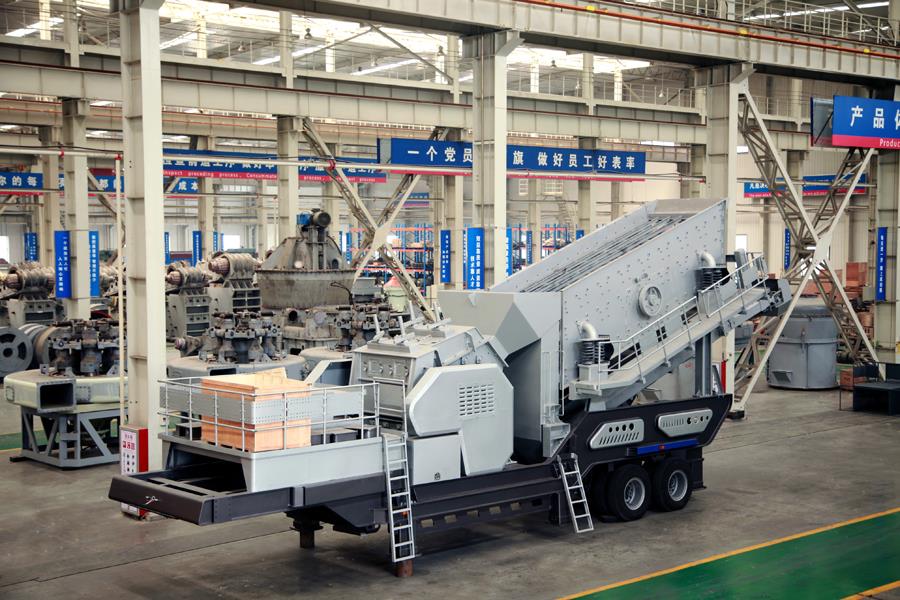
How to Maintain a Cone Crusher for Cobalt Ore 140 TPH in DRC
-
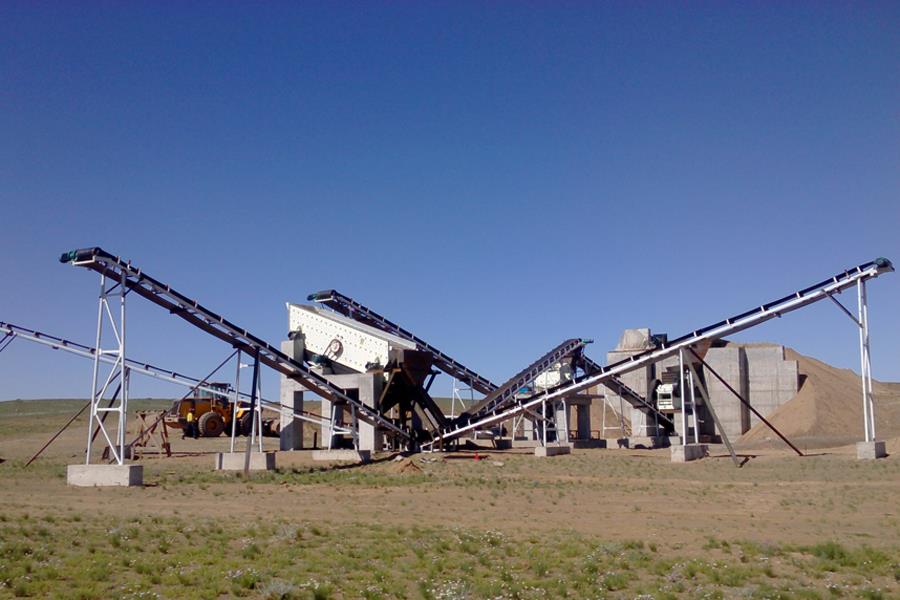
STEINERT AI Ore Sorting Line Deployed at Navachab Gold Mine in Namibia
-
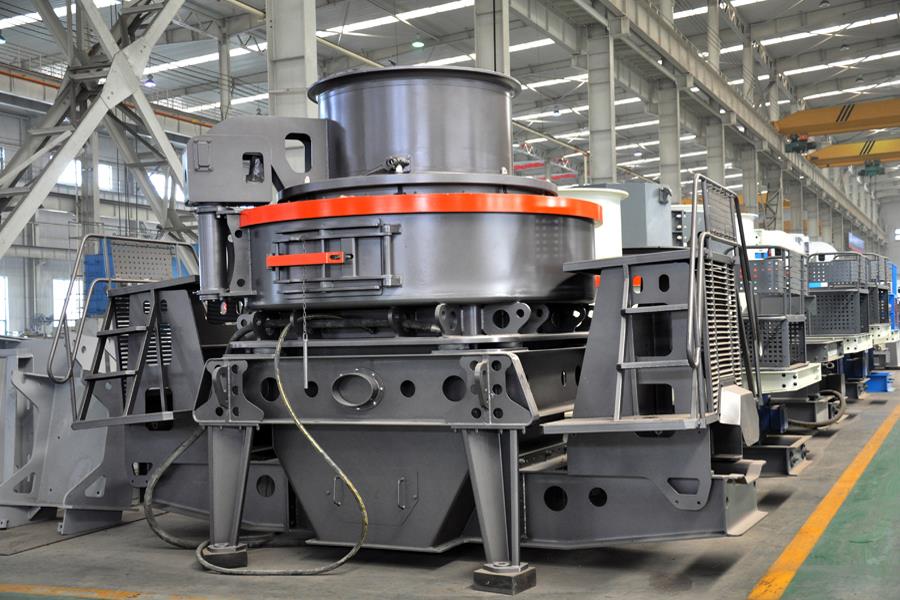
110 TPH Mobile Impact Crusher for Construction Waste in Nairobi Kenya
-
Kleemann Debuts MOBIREX MR 130 EVO with Lock & Turn at Steinexpo 2026
-
HEP Conveyor Belts Revolutionize Mining Material Handling Systems



