
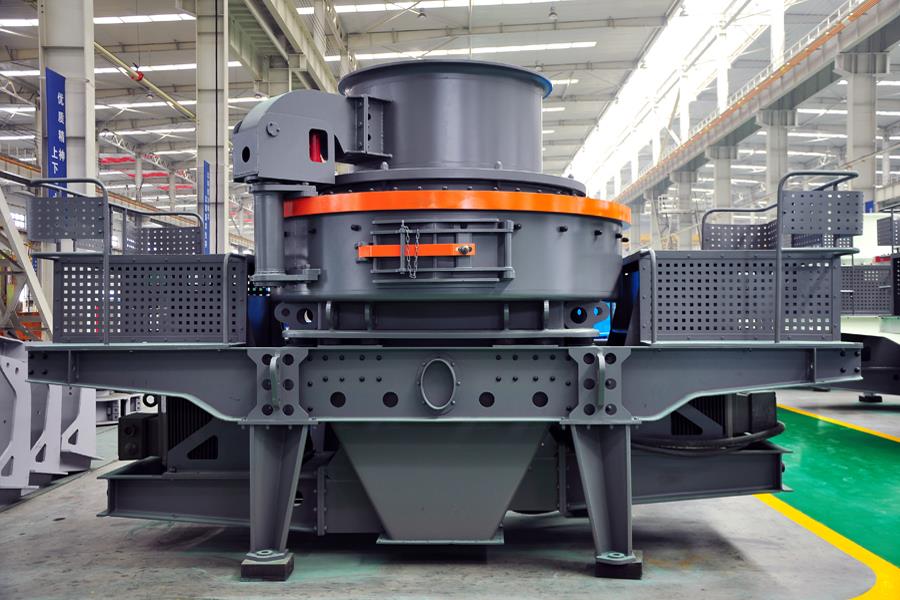
Jaw crusher deep chamber vs shallow chamber for friable ore
Why chamber design is a strategic decision for South African mines
South Africa's mining industry is renowned for its diversity—from the platinum reefs of the Bushveld Complex to the gold-bearing quartz of the Witwatersrand and the diamond deposits of Kimberley. Many of these ores share a common trait: they are friable, breaking easily along natural cleavage planes. For operators processing such material, the choice between a deep and a shallow jaw crusher chamber is not a minor detail—it is a strategic decision that directly affects throughput, product shape, liner life, and cost per ton. A deep chamber, characterised by a longer vertical crushing zone, offers a larger reduction ratio and more uniform product, making it increasingly popular in modern installations. A shallow chamber, with its shorter retention time, is typically more energy-efficient but may struggle with feed variability. The Jaw crusher deep chamber vs shallow chamber for friable ore comparison is particularly relevant for South African operations, where feed characteristics vary and operational efficiency directly impacts profitability. OCP Mechanical Company, with over 40 years of direct manufacturing experience, offers both configurations and provides factory-direct consultation to help you select the optimal design for your specific ore type and production targets.
How chamber geometry influences crushing performance
The distinction between deep and shallow chambers lies in the ratio of the chamber's depth to its width. A deep chamber has a "V" shaped profile, allowing material to travel a longer path through the crushing zone, subjecting it to more compression cycles before discharge. This extended retention time is beneficial for friable ores, as it promotes inter-particle breakage and results in a more cubical product with fewer flat or elongated particles. The steeper nip angle of a deep chamber ensures positive gripping action, minimising material slippage and reducing jaw plate wear. A shallow chamber, by contrast, has a shorter depth and a less aggressive nip angle. Material spends less time in the crushing zone, which can be advantageous for energy efficiency but may allow material to "float" at the top of the chamber, reducing capacity and creating the risk of bridging. For friable ores that may contain occasional harder inclusions, the deep chamber's improved grip translates to more consistent throughput and fewer blockages. All technical data are for reference; actual performance depends on feed characteristics and operating conditions.
Deep chamber advantages for friable ore
For friable ores, a deep chamber offers several compelling advantages that make it the preferred choice for many South African operations. The longer material path allows for more rock-on-rock crushing as the feed passes through the chamber. This is particularly beneficial for friable materials, which tend to break along natural fracture lines when subjected to multiple compression events, resulting in a more uniform product with minimal over-grinding. The deep chamber's superior nip angle minimises slippage, reducing wear on jaw plates and extending liner life. Additionally, the deep chamber eliminates dead zones and improves feeding capacity, enabling higher throughput and a larger reduction ratio compared with traditional shallow designs. For South African operations processing gold ore or platinum-group metals, where consistent liberation is essential for downstream recovery, the deep chamber's ability to produce a uniform product with controlled fines generation is a significant advantage. Many operators in the region have reported throughput increases of 10-15% after switching to deep chamber designs for friable ore applications. All performance figures are estimates; actual results vary with feed consistency and operational practices.
When a shallow chamber may be appropriate
Despite the growing preference for deep chambers, there are scenarios where a shallow chamber is the more appropriate choice in the Jaw crusher deep chamber vs shallow chamber for friable ore comparison. Shallow chambers are typically more energy-efficient because the material has a shorter path to travel, requiring less crushing force. For operations with lower throughput requirements or where energy costs are a dominant concern, this can be an attractive feature. Shallow chambers are also well-suited for processing smaller feed sizes—typically 20-50 mm—where the reduced retention time is sufficient to achieve the desired reduction. Additionally, some operators find that shallow chambers offer improved performance for certain particle shapes or when processing softer, clay-rich ores. However, for friable ores that contain harder inclusions or variable feed, the risk of bridging and blockage is higher in shallow chambers, leading to more downtime and maintenance. The Jaw crusher deep chamber vs shallow chamber for friable ore decision should always consider the specific feed size distribution and the required product gradation.
Liner wear, maintenance, and cost implications
The chamber choice also has significant implications for liner wear and maintenance costs. Deep chambers, with their optimised geometry, promote more uniform wear across the jaw plates, enabling predictable maintenance scheduling and longer liner life per ton processed. In contrast, shallow chambers are more prone to localised wear patterns, particularly at the discharge end where crushing forces are concentrated. For friable ores that may contain abrasive impurities, this uneven wear can accelerate liner replacement frequency. Over a year of operation, the cost difference can be substantial—deep chambers typically reduce liner replacement costs by 15-25% compared with shallow chambers in similar applications. Additionally, the extended liner life translates to fewer maintenance stoppages, improving overall plant availability. OCP recommends conducting a life-cycle cost analysis to compare the total cost of ownership for each chamber type, factoring in liner replacement frequency, downtime costs, and energy consumption. All cost data are for reference; actual savings depend on feed abrasiveness and operating intensity. OCP reserves the right to update technical data and pricing based on field experience.
Making the right choice for your South African operation
Selecting the optimal jaw crusher chamber is a site-specific decision that depends on your ore characteristics, throughput targets, and maintenance strategy. For most friable ore applications in South Africa, the deep chamber offers superior performance and lower long-term costs. OCP Mechanical Company provides free, site-specific consultation on the Jaw crusher deep chamber vs shallow chamber for friable ore, including feed analysis, throughput modelling, and cost projections. Our 24-hour online customer service team is ready to answer your questions and provide technical guidance. To receive your personalised recommendation and equipment quote, simply click the chat button on our website or complete the enquiry form with your feed specifications and production targets. Our engineers will respond within 24 hours with a detailed proposal, including chamber geometry recommendations, liner life projections, and a clear price breakdown. All quoted figures and parameters are for reference and subject to final confirmation. OCP's 40-year track record ensures reliable, high-performance jaw crushers and expert support for South Africa's mining and aggregate industry. Reach out today and choose the chamber that delivers the best results for your friable ore.
-
-
-
-
How to retrofit an old jaw crusher with hydraulic adjustment
-
Crusher plant power consumption benchmark for limestone 250 tph