
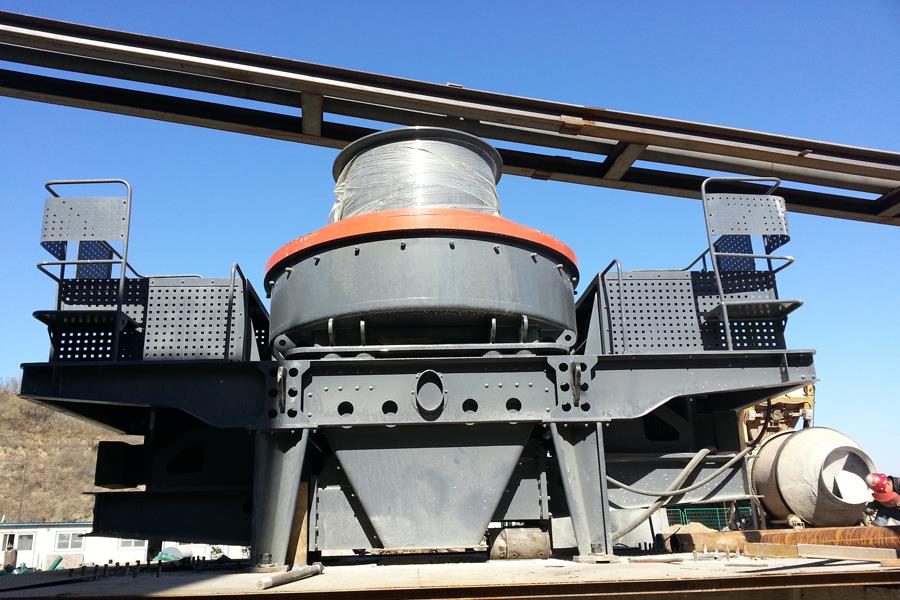
Impact Crusher or Hammer Crusher: Which is the Better Choice
Recently, we received an enquiry from a client seeking advice on whether an impact crusher or hammer crusher would be more suitable for crushing limestone. In aggregate plants, both impact crushers and hammer crushers are commonly encountered, though it appears that impact crushers are favoured by more operators. What factors underlie this preference? Impact crushers and hammer crushers exhibit distinct differences in technical structure, operating principles, material processing capabilities, and maintenance costs.
1. Technical Structure
The structural differences between impact crushers and hammer crushers are quite pronounced. Regarding the crushing chamber, the impact crusher features a relatively larger chamber with a correspondingly larger feed opening. When material enters the crushing chamber through the feed opening, it undergoes not only the impact force from the hammers but also repeated collisions between the material and the impact plate, as well as between the material particles themselves. This results in more thorough crushing action, enabling more effective processing of large-sized material. In contrast, the hammer crusher's crushing chamber is smaller and offers superior sealing performance compared to the impact crusher. This leads to reduced dust pollution during material processing, conferring relative environmental advantages.
2. Working Principle
The significant difference in material crushing between impact crushers and hammer crushers stems from their distinct plate hammers. Within an impact crusher, the plate hammers intercept material from below, crushing it and propelling it towards the upper impact plate. Conversely, hammer crushers strike material along its downward trajectory. Inside an impact crusher, the rotor rotates clockwise, with the impact plates meeting the material from below. Conversely, within a hammer crusher, the rotor operates counterclockwise, with hammers striking the material along its downward trajectory. Both impact and hammer crushers permit adjustment of the final product particle size. The impact crusher, lacking a lower screen bar, primarily regulates product particle size by adjusting rotor speed or diameter, modifying the distributor opening size, or altering the grinding chamber clearance. For hammer crushers, however, the finished particle size is controlled by adjusting the gap size of the screen plates. Given this, impact crushers are more effective at processing materials with higher moisture content and avoiding blockages.
3. Material Processing
Owing to differences in technical structure and operating principles, impact crushers can process not only softer materials but also those of considerable hardness, whereas hammer crushers are limited to softer materials. As impact crushers lack a bottom screen, the final particle size is determined by the gap between the impact plate and the hammer. This design effectively prevents screen clogging when processing wet materials. Conversely, the presence of a bottom screen in hammer crushers increases the likelihood of blockages, rendering them unsuitable for highly moist materials. Thus, impact crushers offer a broader operational scope.
4. Maintenance Costs
Initially, impact crushers typically command a higher purchase price than hammer crushers. However, structural and operational differences between the two types result in distinct maintenance requirements. Wear on impact crusher blow bars occurs solely on the material-facing surface, yielding higher metal utilisation rates. Additionally, the impact crusher's frame features a three-part structure. Maintenance tasks such as replacing impact plates, counter plates, and liners can be performed simply by opening the rear casing. Furthermore, impact crusher components exhibit strong interchangeability, with fewer types of wear parts, facilitating spare parts procurement and management. In contrast, hammer crushers feature numerous hammers, with replacing a full set demanding significant time and labour, resulting in higher maintenance costs. Components such as the rotor, bottom screen plate, and grating may also suffer wear during operation, and their replacement is comparatively complex.
From the above comparison, it is evident that aggregate plants processing either highly abrasive or softer materials would favour impact crushers, while hammer crushers are more suitable for the opposite conditions. This choice also reduces long-term operational costs and enhances economic efficiency. In practical production scenarios, whether selecting a hammer crusher or an impact crusher, detailed consultation with the manufacturer is essential. Click for online consultation – available 24 hours a day!
-
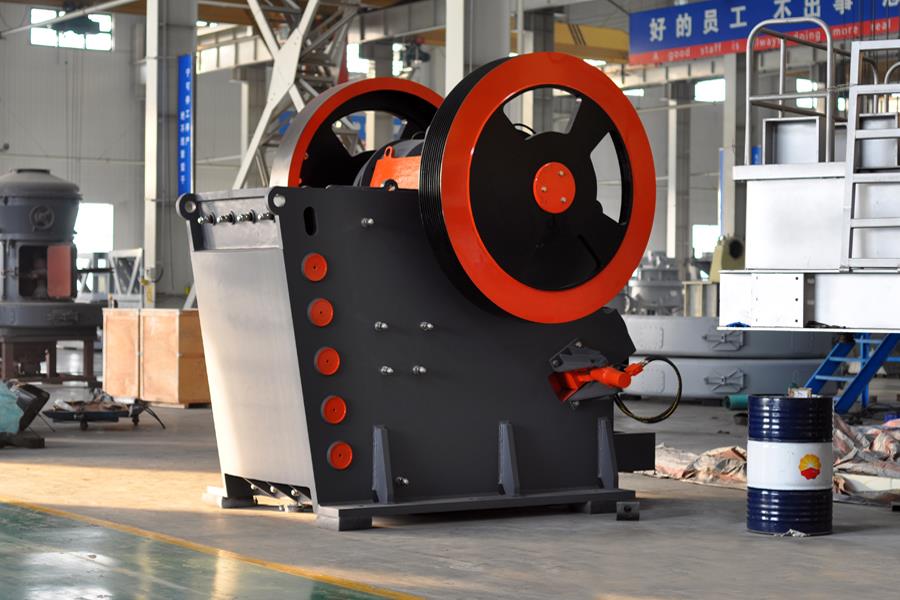
Heavy hammer crushers achieve single-stage crushing, saving investment capital
-
Eight Operational Guidelines for Efficient Sand Making Machine Production
-
What are the criteria for assessing the environmental performance of sand-making machines
-
Which sand washing machine is best suited for processed manufactured sand
-
What are the characteristics of manufactured sand production lines under the new circumstances