
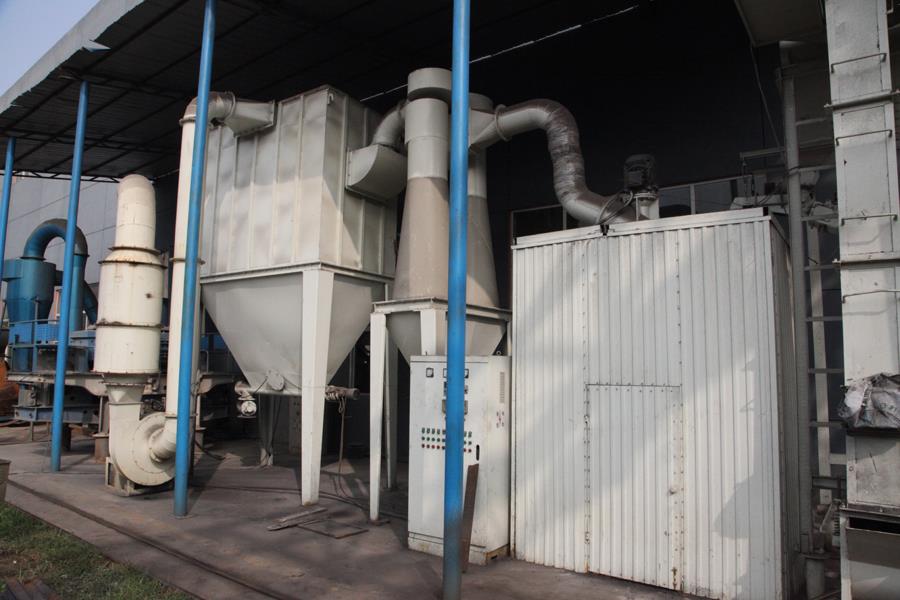
What are the characteristics of manufactured sand production lines under the new circumstances
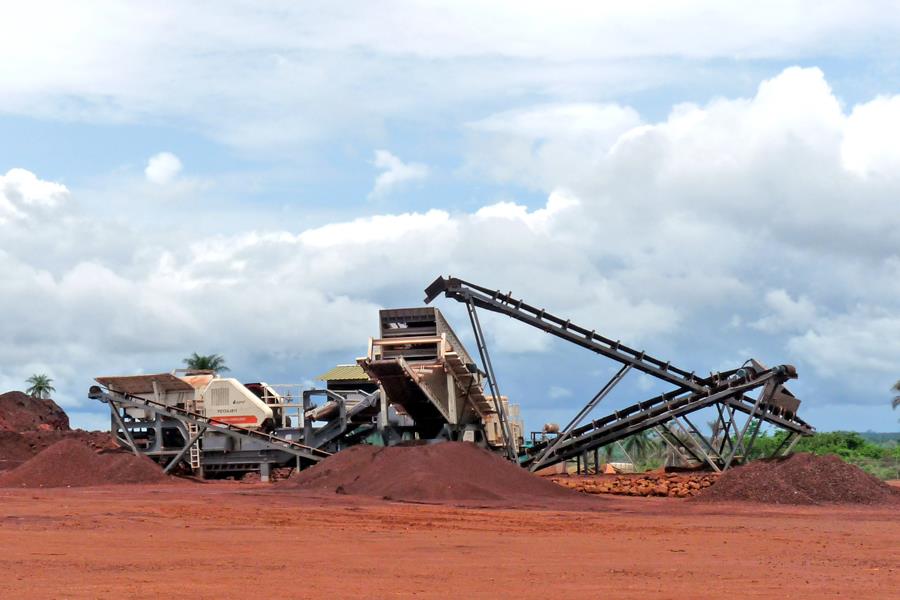
Given current development trends, manufactured sand represents a profitable industry. It is produced through a series of processing steps—including crushing, screening, and sand-making—applied to natural river pebbles, quartzite, cobblestones, iron ore, and other minerals. However, with the introduction of environmental policies in recent years and the rapid expansion of infrastructure projects, manufactured sand production lines have undergone continuous optimisation and improvement. They now not only meet environmental standards but also feature high levels of automation, intelligent operation, time and labour savings, low operating costs, and high returns. Below, we examine the specific characteristics of manufactured sand production lines under the new circumstances.
1. High automation: The entire production line employs intelligent control systems for automated operation, significantly reducing labour requirements and downtime.
2. Energy efficiency, high output, and low pollution: Production capacity ranges from tens to hundreds or even thousands of tonnes per hour, accommodating diverse output demands. The fully enclosed process with dust extraction systems minimises particulate pollution, meeting environmental standards.
3. Simplified maintenance: The sand-making machine features a straightforward structure, ensuring stable and reliable operation with relatively easy maintenance. The use of suspended manual or electric hoists facilitates quicker and more convenient equipment inspection and servicing.
4. Uniform particle size, excellent grain shape, and rational gradation: The production line primarily employs the latest generation of sand-making machines. Compared to traditional models, these deliver significantly improved finished grain shape. The processed manufactured sand exhibits excellent grain morphology and rational gradation, meeting the requirements for construction and concrete batching plants.
5. Low operating costs and high returns: Beyond equipment start-up, shutdown, and routine maintenance, the sand and gravel production line requires minimal manual intervention. They boast high production efficiency, low operational costs, substantial output, and favourable returns.
6. Compact footprint and low stone powder yield: The entire sand-making production line features rationally matched crushing equipment across all stages and a meticulously planned spatial layout. This design ensures a small footprint and minimal stone powder output. The application of sand-making production lines in the market is relatively mature, with generally positive overall feedback.
The configuration of manufactured sand production lines is highly flexible. Different client production requirements necessitate varying equipment setups. Altering any single piece of equipment will affect the overall production line price. Similarly, different manufacturers and geographical locations will also influence equipment pricing. To learn more about the performance parameters and specific pricing of crushing and sand-making equipment, please feel free to contact our online customer service team at any time! Our professional technical staff will tailor a comprehensive solution to your production needs and provide you with a reasonable quotation!
-
-
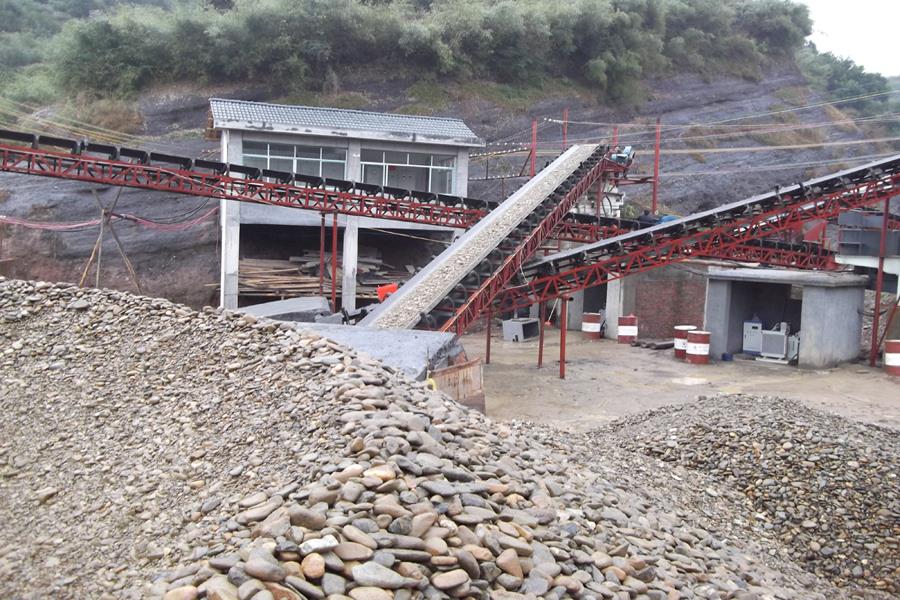
Factors Influencing the Price of 300 Tonnes Per Hour Mobile Crushing Equipment
-
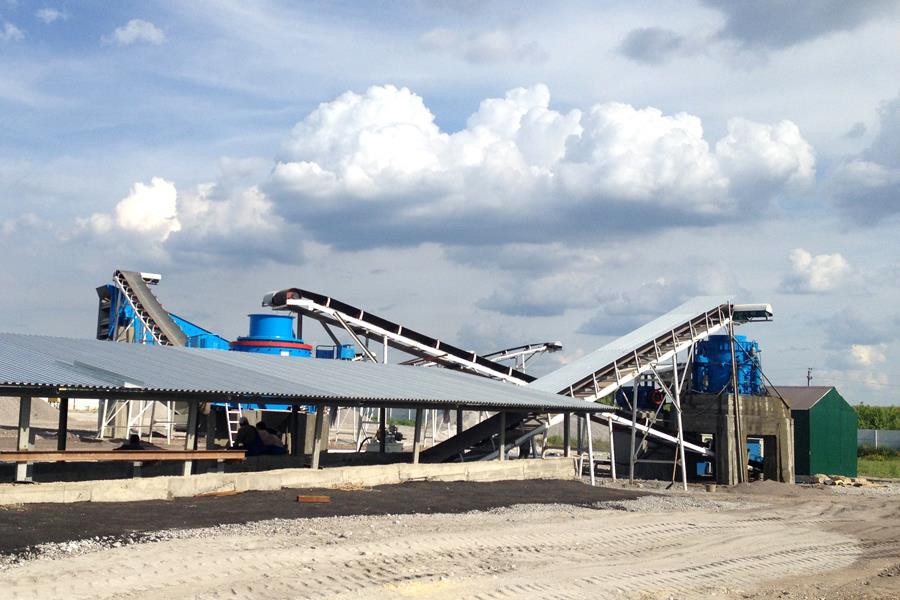
Production Process and Quality Control Requirements for High-Quality Manufactured Sand
-
What factors influence the hourly output capacity of a small jaw crusher
-
What is the hourly output capacity of a common small jaw crusher in tonnes