
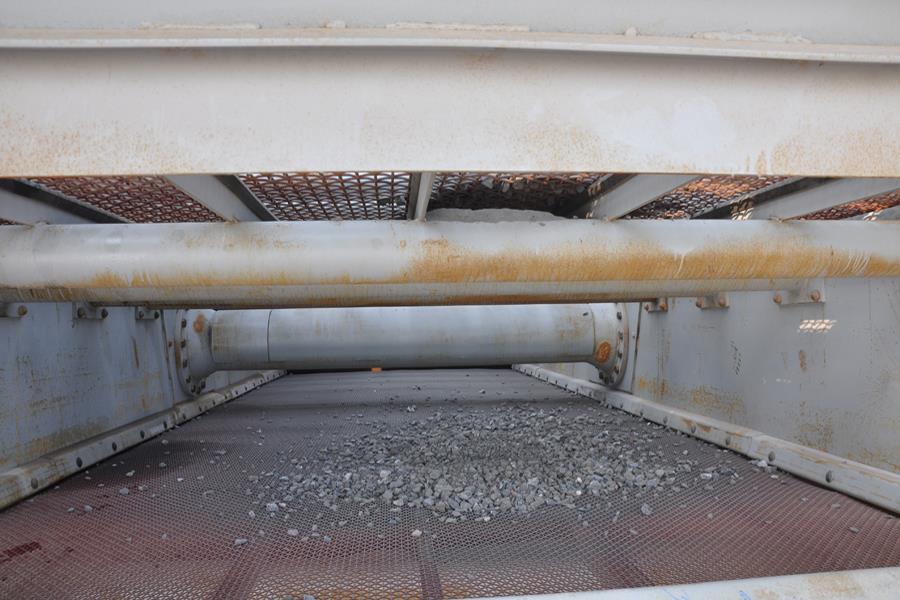
How to Select Crushing Equipment for Producing High-Quality Aggregates
To produce premium aggregates, it is essential to choose high-quality processing equipment and implement advanced, high-standard aggregate processing workflows. The typical production process in a sand and gravel plant involves:
Bulk Storage → Feeding → Crushing → Sand Making (Shaping) → —screening—sand washing—finished sand and gravel products. Conveyors link each process stage, so primary equipment includes feeders, crushers, sand makers, vibrating screens, sand washers, and belt conveyors. Additional supporting equipment may involve dust collectors, stone washers, powder separators, packaging systems, wastewater treatment facilities, etc. However, due to varying user processing standards and raw material properties like size and hardness, specific equipment configurations may vary.
First, let's outline the three crushing standards:
Crushing materials into final products around 100mm is collectively termed coarse crushing;
Crushing materials into final products around 30mm is collectively termed medium crushing;
Crushing materials into final products around 3mm is collectively termed fine crushing.
What are the respective advantages and considerations for different crushers?
Jaw Crusher: Advantages include low cost, simple manufacturing process, high usability, high output, large crushing ratio, straightforward structure, easy maintenance, and reliable performance.
Cone Crusher: Advantages include large crushing ratio, high efficiency with low energy consumption, uniform product particle size, particularly suitable for medium and fine crushing, low wear and self-consumption, minimal dust generation during production, and high environmental friendliness.
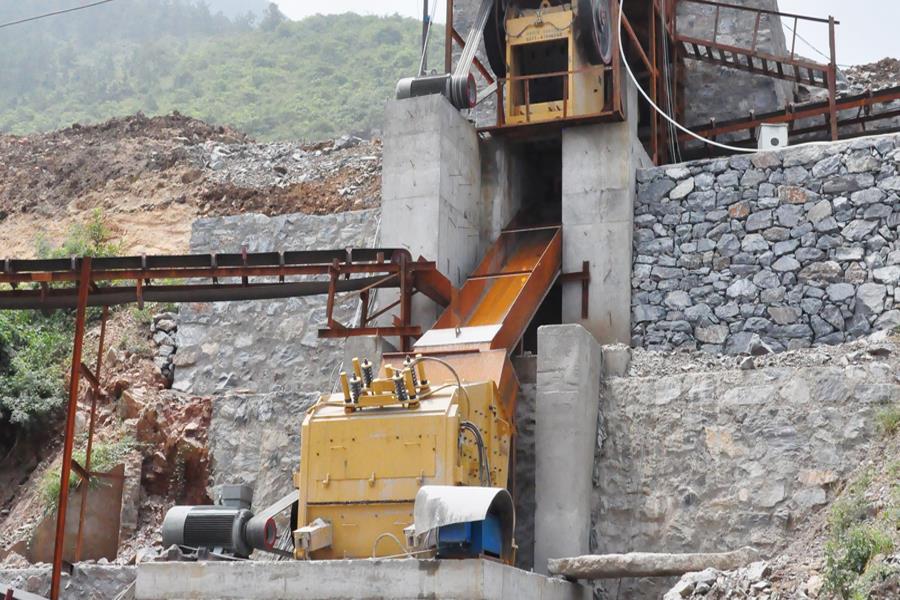
Impact Crusher: Produces fine-grained output, low energy consumption, simple structure for easy maintenance, and high throughput. Primarily used for fine crushing and shaping sand and gravel.
Impact Crusher: Adjustable output particle size, high capacity with low energy consumption, simple structure for easy maintenance, and uniform particle shape. Note that its liners wear out very quickly, requiring significant replacement and maintenance work later on, and it generates severe dust.
Hammer Crusher: Features a simple structure with low operational complexity, lightweight design suitable for transportation, and straightforward maintenance. However, the hammer heads wear out exceptionally quickly, requiring frequent replacement and increasing overall production costs.
Selecting the appropriate crusher requires consideration not only of price, maintenance costs, and energy consumption, but also the impact of crushing equipment on different materials, varying hardness levels, moisture content, and degree of liberation. Additionally, it is crucial to align with your required output and the conditions of the plant location. For inquiries regarding aggregate production line design, please contact our website customer service. Our specialists are ready to provide detailed answers!
-
-
What should be done if the output particle size of a sand making machine gradually increases
-
-
What is the difference between manufactured sand and washed sand
-
What crushing equipment is best for medium and fine crushing of river pebbles